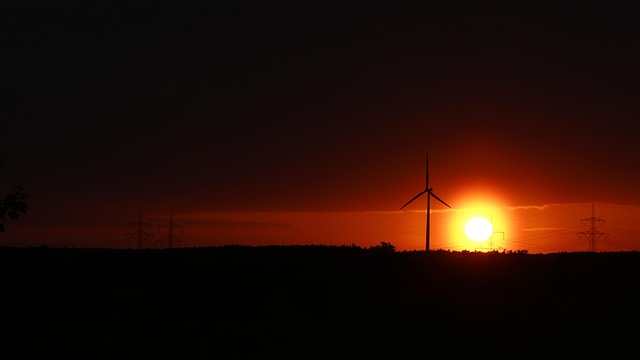

Do Windmills Kill Birds? Fact Checking Clean Energy Myths
The debate over whether wind turbines significantly harm bird populations often overshadows the broader environmental context. Evidence shows that while some bird collisions occur, the scale is far smaller than commonly assumed. Studies indicate that wind turbines account for a minor fraction of avian mortality compared with other human-related causes such as buildings or domestic animals. The key lies in proper site planning and technological innovation, not in rejecting renewable energy altogether. In short, modern solar power windmill systems can coexist with wildlife when designed and managed responsibly.
Understanding the Relationship Between Renewable Energy Systems and Wildlife
Renewable energy infrastructure interacts with ecosystems in complex ways. Experts now focus on how to balance clean energy expansion with biodiversity protection rather than framing them as opposing goals.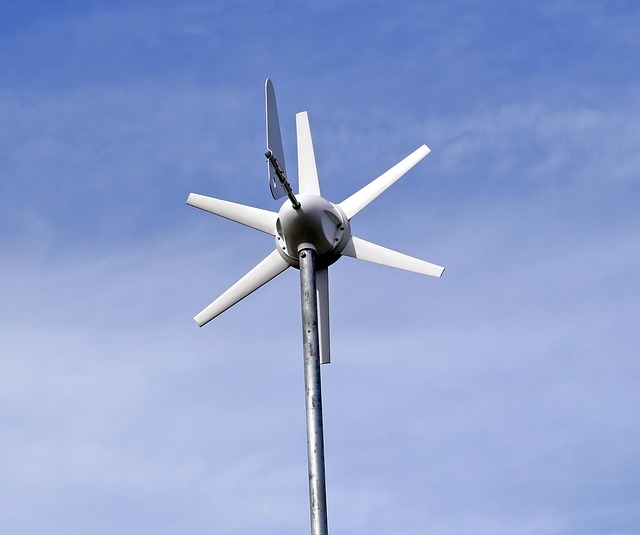
Overview of Solar Power Windmill Systems
A hybrid solar–wind system combines photovoltaic panels and wind turbines to generate electricity from both sunlight and air movement. These systems offer stable output by compensating for each source’s variability. The global shift toward decarbonization has accelerated their adoption, driven by international climate targets under agreements like the Paris Accord. Yet public discourse sometimes overstates wildlife risks, linking renewable systems directly to bird deaths without considering comparative data or mitigation practices.
Ecological Considerations in Renewable Energy Deployment
Before any installation, environmental impact assessments evaluate potential effects on local habitats, migratory paths, and species density. Site selection remains the most decisive factor: locating projects away from sensitive breeding or migration zones drastically reduces ecological disruption. Compared with fossil fuel extraction, which causes habitat loss and pollution across vast areas, renewables generally have lower long-term biodiversity costs.
Assessing Bird Mortality Associated with Wind Turbines
Concerns about wind turbine impacts on birds persist despite extensive research showing variable but manageable risk levels. Scientific analysis helps clarify mechanisms and quantify actual mortality rates.
Mechanisms Behind Bird Collisions with Wind Turbines
Collisions occur mainly when birds misjudge blade movement or fly through rotor-swept zones during poor visibility. Factors such as turbine height, blade speed, lighting design, and local topography influence risk levels. Migratory species following traditional routes may face higher exposure if farms lie along these corridors. Behavioral traits also matter—raptors scanning for prey while gliding low are more vulnerable than small passerines flying higher or erratically.
Quantitative Studies on Bird Fatalities at Wind Farms
Peer-reviewed studies across North America and Europe estimate annual mortality rates ranging from a few to several dozen birds per turbine depending on region and design. For context, building collisions kill hundreds of millions of birds annually in the United States alone, while domestic cats account for billions. Thus, wind-related deaths represent less than one percent of total anthropogenic avian mortality globally.
Evaluating the Role of Solar Installations in Bird Safety
Solar power’s interaction with avian species differs from that of wind energy yet raises its own concerns regarding reflection and habitat use.
Impacts of Photovoltaic Fields on Avian Species
Large solar fields can create glare resembling water bodies, confusing some waterfowl into landing attempts known as “lake effect.” However, modern anti-reflective coatings have reduced this phenomenon substantially. Habitat displacement can occur when vast tracts of land are cleared for panels, though integrating installations within agricultural settings mitigates this issue by allowing dual land use.
Mitigation Strategies in Solar Energy Projects
Developers increasingly adopt ecological design measures such as adjusting panel tilt angles to minimize glare and installing vegetation buffers that support pollinators and ground-nesting birds. Creating wildlife corridors near large arrays maintains landscape connectivity essential for animal movement and genetic diversity.
Technological Innovations Reducing Bird Collisions in Wind Systems
Innovation plays a central role in reconciling renewable expansion with wildlife protection goals through smarter engineering solutions.
Advances in Turbine Design for Wildlife Safety
Painting one blade black has been shown to improve visibility for birds by breaking motion patterns that cause misjudgment—a technique validated in Scandinavian field trials. Some manufacturers incorporate UV-reflective materials visible to avian vision spectra. Structural modifications like smooth towers discourage perching or nesting that could increase collision risk.
Role of Artificial Intelligence and Remote Monitoring Technologies
AI-enabled radar systems now track approaching flocks in real time, triggering temporary turbine shutdowns during high-risk intervals. Acoustic sensors and thermal cameras complement these systems by detecting nocturnal species invisible to conventional monitoring. Data collected feed adaptive management frameworks that refine operation schedules seasonally.
Broader Context: Comparing Renewable Energy Risks to Other Environmental Threats
Public perception often magnifies renewable energy’s ecological footprint without comparing it against broader anthropogenic pressures such as urban expansion or pollution-driven habitat loss.
Relative Scale of Mortality from Human Activities
Statistical reviews show urban structures cause exponentially more bird deaths than renewable facilities combined. Agricultural chemicals further reduce insect prey bases critical for many bird species’ survival—an indirect but severe threat compared with localized turbine impacts.
Balancing Clean Energy Goals with Biodiversity Conservation
Policy frameworks increasingly integrate conservation planning into renewable development licensing. International guidelines from IUCN and UNEP emphasize ecosystem-based approaches ensuring projects contribute both to emission reduction and biodiversity targets. The emerging discipline of eco-design encourages engineers to embed wildlife considerations into early project stages rather than retrofitting solutions later.
Future Directions for Research and Policy Development
As renewable deployment accelerates globally, consistent monitoring standards become essential to maintain transparency and public trust while improving environmental outcomes.
Need for Standardized Monitoring Protocols Across Regions
Current datasets vary widely due to inconsistent survey methods among countries. Establishing unified protocols would enable accurate comparisons across regions and technologies. Long-term post-installation monitoring also reveals delayed ecological responses often missed in short-term studies.
Integrating Biodiversity Metrics into Renewable Energy Planning Models
Advanced spatial models now combine species distribution data with meteorological variables to identify low-conflict zones for future installations. Predictive modeling helps anticipate cumulative impacts where multiple projects cluster within migratory corridors—critical for maintaining population-level resilience over decades.
FAQ
Q1: Do wind turbines kill many birds?
A: Yes, but far fewer than commonly claimed; they account for a small fraction compared with other human-made structures or pets.
Q2: Are solar farms dangerous for birds?
A: Only marginally; glare can confuse some species but mitigation measures like anti-reflective coatings largely prevent serious harm.
Q3: How do engineers make turbines safer?
A: Techniques include painting blades black, using UV materials visible to birds, and employing AI-based shutdown systems during migration peaks.
Q4: What’s worse for birds—fossil fuels or renewables?
A: Fossil fuels cause broader ecosystem damage through pollution and climate change; renewables have localized but manageable effects.
Q5: Can renewable projects support wildlife conservation?
A: Yes; well-planned sites can integrate vegetation buffers, wildlife corridors, and ongoing monitoring that enhance local biodiversity rather than diminish it.