
How Much Do Solar Panels Cost in 2026?
By 2026, the average 3 kilowatt solar panel price continues to serve as a reliable benchmark for residential systems worldwide. Market data indicates that small-scale solar installations are expected to cost between USD 3,000 and USD 4,500 depending on region, component origin, and incentive structures. This cost range reflects ongoing efficiency gains in photovoltaic modules and steady declines in installation overheads. Experts anticipate that by mid-2026, most developed markets will achieve near-grid parity for residential solar power, making the 3 kW system not just affordable but economically compelling.
Overview of the 3 Kilowatt Solar Panel Market in 2026
The 3 kW configuration remains central to the global residential solar landscape. It represents both an entry point for homeowners and a standardized metric for comparing pricing across geographies.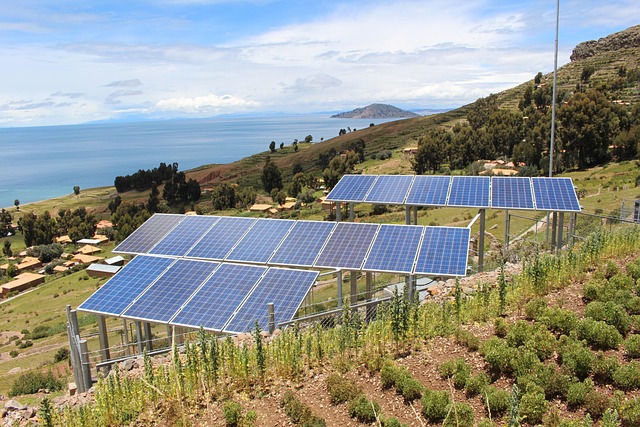
Global Market Context for Residential Solar Systems
A 3 kW solar system continues to be a standard capacity for compact homes, typically generating around 12–15 kWh per day under average sunlight conditions. In 2026, market dynamics are shaped by raw material costs, supply chain efficiency, and evolving incentive programs. The International Energy Agency (IEA) notes that government-backed subsidies and low-interest financing remain key drivers of adoption in Europe and North America. Regional variations—such as Asia’s manufacturing dominance and Europe’s policy-driven demand—create a diverse pricing structure that keeps global averages relatively stable despite local fluctuations.
Evolution of the 3 Kilowatt System as a Benchmark
The 3 kW system acts as a reference point for cost-per-watt analyses across time. Its popularity allows analysts to track affordability trends and consumer behavior shifts. Technological maturity is evident through rising module efficiencies exceeding 22% in some PERC and TOPCon models. The integration of advanced inverters with smart monitoring functions further enhances total system value by improving energy yield consistency over time.
Key Factors Influencing the Price of a 3 Kilowatt Solar Panel System
The pricing of small-scale photovoltaic systems depends on several interconnected factors—raw materials, technological advancements, and policy frameworks all contribute to shaping final costs.
Impact of Raw Material Costs and Supply Chain Dynamics
Silicon remains the most critical cost component in module production. Fluctuations in polysilicon prices have historically caused volatility in panel prices. Glass and aluminum costs also affect manufacturing margins since they represent structural stability and encapsulation quality. Tariff policies on imported components can raise end-user prices by up to 10% in some markets. Localization strategies, such as domestic module assembly or regional inverter sourcing, help mitigate these risks by reducing logistics expenses.
Technological Advancements Driving Cost Efficiency
Recent years have seen rapid adoption of high-efficiency cell technologies like PERC, TOPCon, and heterojunction (HJT). These innovations improve output per square meter while lowering per-watt production costs. Automation in assembly lines reduces labor intensity without compromising quality control standards set by IEC certification guidelines. Smart inverter integration enables better grid interaction and optimizes self-consumption rates—an increasingly valuable feature where feed-in tariffs are declining.
Policy and Incentive Structures Affecting Market Pricing
Government incentives continue to play an outsized role in determining affordability. Tax credits such as those maintained under U.S. federal energy policy or European feed-in tariffs shorten payback periods significantly. Carbon pricing mechanisms implemented across OECD countries further enhance solar’s competitiveness against fossil-based generation. Regulatory frameworks also influence installation expenses through permitting simplification or mandatory safety compliance requirements.
Comparative Analysis: Regional Price Variations for 3 Kilowatt Systems in 2026
While technology costs are converging globally, regional differences persist due to local labor rates, grid policies, and economic priorities.
North America’s Pricing Landscape
Residential solar adoption remains strong across U.S. states with net metering programs and rebate schemes. Mature installer networks reduce soft costs such as permitting fees or customer acquisition expenses. A typical installed 3 kilowatt solar panel price ranges from USD 2,800 to USD 4,200 depending on location and equipment brand.
Europe’s Market Dynamics
Europe’s market stabilizes around mid-tier pricing due to increased domestic production capacity supported by EU industrial strategy goals. Countries like Germany emphasize energy independence through rooftop deployment even when cost reductions plateau slightly compared with Asia-Pacific levels.
Asia-Pacific Trends
China continues leading global supply chains with economies of scale that lower average module prices worldwide. India’s rural electrification programs sustain consistent demand for small-scale systems under government-backed tenders targeting off-grid communities.
Market Trends Reflected Through the 3 Kilowatt Price Benchmark
The evolution of the 3 kilowatt solar panel price reveals broader industry shifts toward efficiency-driven growth and decentralized energy models.
Transition Toward Grid Parity Across Markets
By late 2026, multiple regions achieve effective grid parity where residential solar generation matches or beats retail electricity rates. Storage pairing with lithium-iron-phosphate batteries boosts competitiveness further by enabling nighttime usage without additional grid draw.
Influence of Corporate Procurement and Decentralized Generation Models
Aggregated procurement among installers helps secure bulk component discounts that trickle down to consumers. Meanwhile, peer-to-peer trading platforms emerging under blockchain-based energy markets increase perceived value for small setups like the standard 3 kW configuration.
Consumer Behavior and Financing Innovations
Solar leasing models expand accessibility by removing upfront payment barriers while maintaining ownership flexibility after contract terms end. Transparent online quoting tools improve buyer confidence through standardized pricing comparisons across certified installers.
Future Outlook for the 3 Kilowatt Solar Segment Beyond 2026
Looking ahead, experts expect sustained improvements in performance ratios alongside intensified competition among manufacturers seeking scale advantages.
Anticipated Technological Shifts Affecting Cost Structure
Next-generation modules featuring tandem-cell or perovskite-silicon hybrids promise efficiency gains exceeding current crystalline limits. Integration with AI-based monitoring platforms will refine predictive maintenance capabilities—allowing investors more accurate return projections over decades-long lifespans.
Market Consolidation and Competitive Pricing Strategies
Vertical integration within major manufacturers stabilizes supply chains while reducing dependency on volatile third-party suppliers. Strategic mergers among inverter producers also drive down component markups through unified distribution networks—a trend likely to push retail system prices even lower post-2026.
FAQ
Q1: What is the typical cost of a 3 kilowatt solar system in 2026?
A: Most markets report installed prices between USD 3,000–4,500 depending on equipment origin and local incentives.
Q2: How much electricity can a 3 kW system generate daily?
A: Under average sunlight conditions it produces roughly 12–15 kWh per day sufficient for small household consumption patterns.
Q3: Which regions offer the lowest installation costs?
A: Asia-Pacific leads due to large-scale manufacturing capacity particularly from China reducing global module averages.
Q4: Are government incentives still available in major markets?
A: Yes many countries maintain tax credits rebates or feed-in tariffs though structures differ regionally.
Q5: Will prices continue dropping beyond 2026?
A: Moderate declines are expected as efficiency improves but raw material stabilization may slow further reductions after mid-decade.