
Australian Homes Lead the World in Solar. But Businesses Are Falling Behind
Australia’s solar story is one of contrast. Households have embraced rooftop systems faster than almost any other nation, yet commercial adoption lags behind. The imbalance stems from differing incentives, cost perceptions, and structural barriers. Large-scale solar power plants are emerging as a bridge between these sectors, enabling businesses to access renewable energy without heavy upfront investment. As technology evolves and policy frameworks mature, Australia stands at a pivotal point where aligning residential success with corporate participation could redefine its energy landscape.
The Current Landscape of Solar Adoption in Australia
Residential uptake of solar has reshaped Australia’s energy profile, but the business sector trails significantly. Understanding why this divide persists requires examining adoption patterns, economic drivers, and regulatory conditions shaping both markets.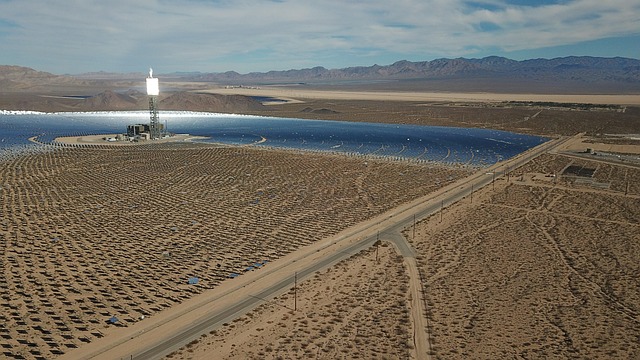
Residential Leadership in Solar Energy
Australia leads globally in per-capita rooftop solar installations. More than three million households now generate their own electricity, contributing over 17 gigawatts of capacity nationwide. Government feed-in tariffs and rebates have made small-scale systems financially attractive, especially as panel prices dropped by nearly 80% over the past decade. Widespread roof space availability further supports adoption; suburban homes often possess ideal conditions for photovoltaic placement. This combination of incentives and accessibility has turned domestic rooftops into decentralized power stations feeding clean energy back into the grid.
Business Sector Lag in Solar Integration
In contrast, commercial uptake remains slow. Businesses face higher installation costs due to complex roof structures and variable load profiles that complicate system sizing. Many firms also operate from leased properties, limiting control over infrastructure investments. Financially, shorter planning horizons discourage capital-intensive projects with decade-long payback periods. Regulatory uncertainty around future energy pricing adds another layer of hesitation. Corporate risk aversion—particularly among small to medium enterprises—has kept many from pursuing on-site generation despite long-term savings potential.
Understanding the Role of Solar Power Plants in Bridging the Gap
Between household rooftops and corporate inertia lies a scalable solution: solar power plants that aggregate generation capacity for shared benefit across sectors.
Defining Solar Power Plants Within the Australian Context
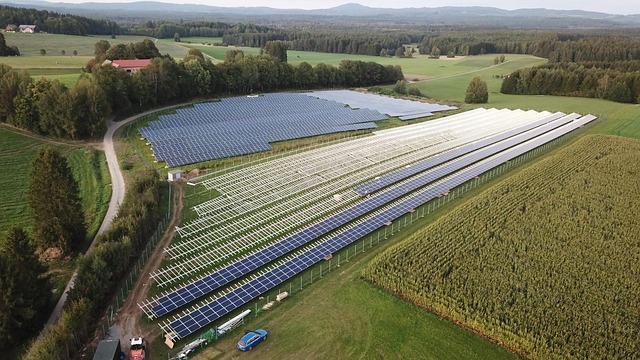
Solar power plants in Australia typically refer to utility-scale facilities exceeding 5 megawatts that feed electricity directly into transmission networks or regional microgrids. These differ from distributed rooftop systems by their centralized operation and professional management structure. Ownership models vary—some are publicly funded through state initiatives, others privately financed or community-owned through cooperative investment schemes. Each model contributes differently to national renewable targets while expanding grid resilience.
How Solar Power Plants Enable Commercial Participation
For businesses hesitant to install panels onsite, power purchase agreements (PPAs) provide an entry point. Through long-term contracts with solar farms, companies secure stable renewable supply without capital expenditure. Shared infrastructure reduces barriers for smaller enterprises that might otherwise lack scale for direct investment. Participation also enhances corporate sustainability reporting under frameworks such as the Global Reporting Initiative (GRI), allowing firms to demonstrate measurable progress toward emissions reduction goals while benefiting from predictable energy costs.
Economic Dynamics of Large-Scale Solar Deployment
The economics behind large-scale solar determine its viability as a tool for bridging residential and business adoption gaps.
Cost Structures and Investment Models
Utility-scale projects demand high upfront capital but deliver low marginal operating costs once commissioned. Investors rely on mechanisms like green bonds, public-private partnerships, or government-backed loans to mitigate financial risk during construction phases. Over time, operational savings offset initial expenditure through reduced fuel dependency and maintenance simplicity compared with thermal generation assets. Wholesale electricity market fluctuations influence return on investment; lower daytime prices can compress margins but also encourage storage integration to capture peak demand value.
Market Integration and Energy Trading Opportunities
As large solar plants expand grid share, they help stabilize supply-demand dynamics during daylight hours when consumption peaks align with generation output. Businesses can participate indirectly through renewable energy certificates (RECs), monetizing their commitment to clean sourcing within carbon accounting frameworks recognized by ISO 14064 standards. Emerging blockchain-based trading platforms further enable peer-to-peer transactions between producers and consumers, fostering localized energy markets where transparency replaces traditional retail intermediaries.
Technological Synergies Between Solar Plants, Homes, and Businesses
Integration across scales defines the next phase of Australia’s renewable transition—where homes, businesses, and solar farms interact seamlessly within intelligent grids.
Grid Modernization and Energy Storage Integration
Battery storage technologies are transforming how electricity flows between producers and users. By capturing excess daytime generation for evening use, batteries smooth variability that once limited solar reliability. Smart grid systems equipped with digital sensors manage these flows dynamically, balancing loads across residential clusters and industrial zones alike. Real-time monitoring platforms enhance transparency by showing participants exactly how much renewable energy they consume or export at any given moment.
Hybrid Systems Linking Distributed and Utility Generation
Combining rooftop arrays with large-scale plants creates hybrid networks offering both resilience and flexibility. Virtual power plants (VPPs) aggregate thousands of small installations into coordinated assets controlled by AI-driven software capable of responding instantly to grid signals. This approach allows simultaneous optimization across consumer classes—from households exporting surplus power to factories adjusting consumption schedules—building a more adaptive national energy ecosystem.
Policy Frameworks Supporting Collaborative Solar Growth
Australia’s policy environment plays a decisive role in determining whether cross-sector collaboration around solar power plants can flourish sustainably.
National Renewable Energy Targets and Regulatory Instruments
Federal initiatives like the Renewable Energy Target (RET) have historically driven large-scale deployment by mandating minimum shares of renewables in national supply portfolios. State-level variations add complexity; Queensland’s generous land-use policies contrast with New South Wales’ stricter environmental assessments affecting project timelines. Carbon pricing mechanisms indirectly influence corporate commitments by making fossil-based electricity less competitive relative to contracted renewable sources.
Incentives Encouraging Business Participation Through Solar Plants
Tax credits for depreciation on clean-energy assets reduce effective project costs for commercial users engaging via PPAs or direct ownership stakes in solar farms. Grant programs support feasibility studies for industrial clusters exploring shared-generation models near regional infrastructure hubs. Public-private partnerships continue expanding transmission links connecting remote solar-rich regions with urban demand centers—a critical step toward balancing geographic disparities in resource distribution.
Future Outlook: Integrating Homes, Businesses, and Solar Infrastructure into a Unified Ecosystem
Australia’s next challenge lies not in generating more clean electricity but in synchronizing its production across diverse participants within an interconnected framework.
Pathways Toward a Decentralized Renewable Economy
The shift from isolated installations toward cooperative energy communities marks an evolution beyond mere adoption metrics. Localized markets could allow households selling surplus rooftop output directly to nearby enterprises through digital contracts mediated by utility-scale nodes acting as stabilizers within broader grids. Such decentralization promises greater independence from central utilities while reinforcing national sustainability objectives outlined under IEA Net Zero pathways.
Challenges to Overcome in Achieving Full Integration
Technical constraints remain significant: transmission bottlenecks limit how efficiently remote generation reaches urban centers; voltage fluctuations increase maintenance demands on aging infrastructure; economic feasibility must coexist with environmental stewardship goals set under ISO 50001 standards for energy management systems. Social acceptance also matters—ensuring equitable access so regional communities benefit alongside metropolitan corporations will determine whether this transition achieves both efficiency and fairness across Australia’s evolving energy landscape.
FAQ
Q1: Why do Australian homes lead global solar adoption?
A: High sunlight availability combined with government rebates and falling panel costs made rooftop systems affordable for most households.
Q2: What prevents businesses from adopting solar at similar rates?
A: Complex property arrangements, uncertain returns, and regulatory hurdles make many firms hesitant to commit capital upfront.
Q3: How do solar power plants help bridge residential-business gaps?
A: They provide scalable renewable supply through shared infrastructure or PPAs that let companies buy clean energy without owning panels.
Q4: What role does battery storage play in integration?
A: Batteries stabilize intermittent output by storing excess daytime generation for use during evening peaks across homes and industries.
Q5: Could decentralized markets change Australia’s energy future?
A: Yes, linking local producers with consumers via digital trading platforms could build resilient micro-economies powered entirely by renewables.