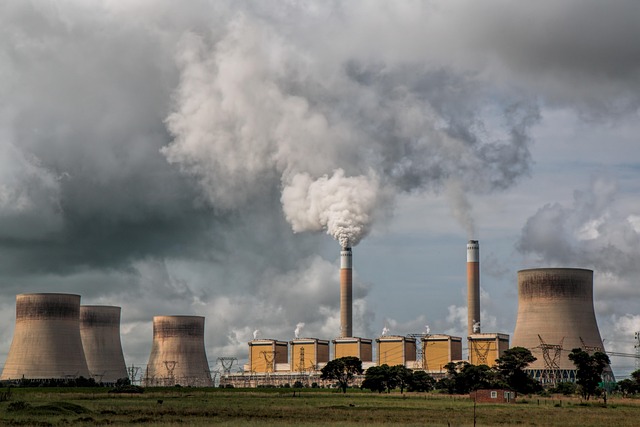

Africa Should Stop Betting on Fossil Fuels in the Age of Clean Energy
Africa’s energy future hinges on a critical choice between maintaining its fossil fuel dependency and embracing renewable energy. The continent’s vast solar, wind, and hydro potential positions it to leapfrog into a sustainable era. However, continued investment in oil, gas, and coal risks economic stagnation and environmental vulnerability. The transition toward renewables is not just an ecological imperative but an economic opportunity that can redefine Africa’s development model for decades.
Africa’s Energy Landscape in Transition
Africa’s energy system stands at a crossroads. While fossil fuels still dominate supply and exports, renewable projects are gaining traction across regions. The pace of this shift will determine whether Africa becomes a global clean energy leader or remains tied to volatile commodity cycles.
Current Dependence on Fossil Fuels
Most African economies rely heavily on fossil fuels and renewable energy remains underdeveloped by comparison. Countries such as Nigeria, Angola, and Algeria are major oil producers, while South Africa depends on coal for nearly 70% of its electricity generation. This dependence shapes fiscal budgets and trade balances but exposes nations to price shocks when global markets fluctuate. For instance, the 2020 oil price collapse significantly reduced export revenues across West Africa, revealing the fragility of fossil-based growth models.
The Growth of Renewable Energy Infrastructure
Across the continent, renewable infrastructure is expanding rapidly. North African countries like Morocco have built some of the world’s largest solar complexes, while Kenya leads in geothermal capacity. Hydropower remains central in Ethiopia and Zambia, though climate variability challenges output stability. Governments are partnering with international institutions such as the African Development Bank and IRENA to scale up clean investments through policy reforms and blended financing models. Still, limited grid capacity and bureaucratic delays slow deployment rates.
Challenges in Scaling Renewable Infrastructure to Meet Demand
Despite abundant resources, scaling renewables faces hurdles: inadequate financing frameworks, weak local manufacturing bases, and insufficient transmission networks. Many projects remain donor-dependent rather than commercially viable. Moreover, rural electrification efforts often lack coordination between national utilities and private developers. Closing these gaps requires consistent regulatory clarity and stronger institutional capacity.
Economic Dimensions of Energy Choices
Energy decisions shape fiscal health and employment structures across African economies. Balancing short-term revenue from fossil fuels with long-term sustainability from renewables demands strategic economic planning.
The Role of Fossil Fuels in National Economies
Fossil fuels contribute significantly to GDPs—over 50% in some resource-rich states—and fund public spending through royalties and taxes. However, reliance on hydrocarbons makes budgets vulnerable to external shocks. When prices fall, governments face deficits that constrain social programs and infrastructure spending. Subsidizing fossil fuels also distorts markets by discouraging efficiency improvements while draining public coffers that could support education or healthcare.
Investment Trends in Renewable Energy Development
Global capital is shifting toward green assets as investors seek sustainable returns aligned with ESG standards. African nations are beginning to attract climate finance through green bonds and public-private partnerships focused on solar mini-grids or wind farms. Yet investors remain cautious due to perceived political risk and currency instability. Strengthening credit guarantees and transparent procurement can unlock larger flows of private capital into renewables.
Barriers to Attracting Large-Scale Renewable Energy Funding in Africa
Key barriers include limited access to affordable long-term financing, inconsistent policy enforcement, and inadequate technical expertise within regulatory bodies. Some countries lack clear feed-in tariffs or power purchase agreements that reassure investors of predictable returns. Building trust through stable governance frameworks will be essential for sustained investment momentum.
Technological and Infrastructural Considerations
Transitioning from fossil fuels to renewables requires not just new generation capacity but also modernized grids capable of integrating variable sources efficiently.
Grid Modernization for a Renewable Future
Many national grids were designed around centralized thermal plants rather than distributed solar or wind systems. Upgrading transmission lines is crucial to avoid bottlenecks that waste potential output from new renewable installations. Decentralized solutions like mini-grids have proven effective in rural areas where extending national grids is uneconomical. Digital monitoring technologies can further improve load management and reduce losses across networks.
Innovation in Energy Storage and Efficiency Technologies
Energy storage innovations are redefining reliability standards for renewables in Africa’s context. Lithium-ion batteries are being deployed at utility scale in South Africa and Kenya to stabilize intermittent supply during peak hours. Local manufacturing opportunities exist for assembling battery components regionally if supported by industrial policies encouraging technology transfer partnerships with global firms.
Importance of Research Institutions in Driving Energy Innovation
Universities and research centers play a pivotal role by developing context-specific technologies suited for African climates—such as dust-resistant solar panels or low-cost micro-hydro turbines. Expanding collaboration between academia and industry can accelerate commercialization pathways while building domestic expertise crucial for long-term self-reliance.
Environmental and Social Implications of the Energy Transition
The environmental urgency driving decarbonization intersects deeply with social equity concerns across African societies where millions still lack access to electricity.
Climate Change Pressures on Africa’s Development Pathway
Africa contributes less than 4% of global emissions yet faces disproportionate climate impacts—droughts, floods, food insecurity—that threaten livelihoods. Aligning national strategies with global emission reduction goals under the Paris Agreement compels governments to reconsider new fossil fuel exploration projects that could lock economies into high-carbon trajectories for decades.
Social Equity and Access to Clean Energy
Renewable energy offers decentralized solutions that can bridge urban-rural divides more effectively than traditional grid expansion alone. Solar home systems have already illuminated millions of off-grid households from Senegal to Tanzania at lower costs than diesel generators. Ensuring fair transition policies also means retraining workers from declining coal or oil sectors into emerging green industries such as solar installation or maintenance services.
Policy Frameworks Guiding the Transition
Sustainable transformation depends on coherent policy frameworks linking continental aspirations with national implementation mechanisms.
Regional and Continental Strategies for Sustainable Energy Development
The African Union’s Agenda 2063 identifies renewable integration as central to achieving inclusive growth objectives consistent with UN Sustainable Development Goals (SDGs). Regional power pools like the Southern African Power Pool facilitate cross-border electricity trade that enhances supply security while optimizing resource use among member states.
National Policy Reforms Encouraging Diversification from Fossil Fuels
Several countries have begun phasing out fossil fuel subsidies or introducing carbon pricing schemes aimed at internalizing environmental costs within energy markets. Legal frameworks now increasingly mandate renewable portfolio standards requiring utilities to source defined shares from clean sources—a signal that diversification is both politically feasible and economically rational.
Geopolitical Dynamics Influencing Africa’s Energy Future
External partnerships heavily influence how African nations finance their energy transitions amid competing interests between traditional oil allies and emerging green investors.
External Actors Shaping the Continent’s Energy Agenda
China remains a dominant infrastructure financier but has recently expanded its portfolio toward solar manufacturing zones across East Africa alongside European Union-backed climate funds promoting decarbonization projects. This competition creates leverage opportunities yet raises questions about debt sustainability if not managed transparently within national priorities.
Positioning Africa in Global Energy Governance
African states are becoming more vocal participants within international climate forums seeking equitable access to transition financing mechanisms such as carbon markets or adaptation funds administered under multilateral frameworks like the Green Climate Fund (GCF). Regional cooperation could amplify negotiating power for fairer terms aligned with developmental needs rather than donor-driven agendas.
Strategic Pathways Toward a Balanced Energy Future
A balanced pathway combines pragmatic use of existing resources with deliberate acceleration toward renewables guided by clear timelines.
Integrating Fossil Fuels with a Managed Renewable Transition
Natural gas may serve temporarily as a bridge fuel supporting grid stability while displacing higher-emission coal plants under time-bound transition plans linked to net-zero targets by mid-century benchmarks established by IEA scenarios emphasizing gradual decarbonization without economic shockwaves.
Long-Term Vision for an Independent Clean Energy Economy
Building an independent clean energy economy entails fostering innovation ecosystems around local manufacturing of photovoltaic modules or wind turbine components supported through vocational training programs preparing technicians for tomorrow’s low-carbon industries. Tracking progress through measurable indicators—installed renewable capacity per capita or emission intensity reductions—will help policymakers evaluate performance against sustainability goals transparently over time.
FAQ
Q1: Why should Africa move away from fossil fuels?
A: Continued reliance exposes economies to market volatility while accelerating environmental degradation; renewables offer stable growth prospects with lower emissions.
Q2: Which renewable sources show most promise for Africa?
A: Solar power leads due to abundant sunlight across most regions followed by hydropower potential in central zones and geothermal reserves along East Africa’s Rift Valley corridor.
Q3: How can governments attract more renewable investment?
A: By providing predictable regulation frameworks including transparent bidding processes tax incentives reliable grid access agreements ensuring investor confidence grows steadily over years not months.
Q4: What role do international partners play?
A: They provide financing technology transfer capacity-building support critical during early adoption phases though alignment with local priorities remains essential for sustainable outcomes.
Q5: Can natural gas still fit within Africa’s clean transition?
A: Yes temporarily as backup generation aiding grid reliability provided it operates under strict emissions caps combined with parallel expansion of zero-carbon alternatives like wind solar or green hydrogen initiatives underway globally.