
Wapello County Board of Supervisors at a Standstill Over Wind Turbine and Solar Panel Ordinances
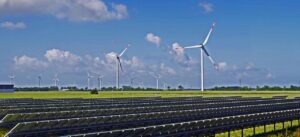
The Wapello County Board of Supervisors faces a policy impasse over wind turbine renewable energy and solar panel ordinances. The debate has stalled new renewable projects, limiting investment and delaying economic benefits. Local regulations remain outdated compared to Iowa’s broader renewable goals. Without coordinated action, the county risks losing both investor confidence and alignment with state sustainability objectives.
Policy Landscape of Renewable Energy in Wapello County
Wapello County’s renewable energy landscape reflects years of cautious policymaking shaped by local land-use priorities and community concerns. The existing ordinances for wind and solar energy have not kept pace with the rapid technological advances or state-level initiatives promoting clean power.
Overview of Current Renewable Energy Ordinances
Current ordinances regulate turbine height, setback distances, and noise levels but lack clear guidance for large-scale solar farms. Many rules date back to early wind project proposals when public awareness was limited. The evolution of these ordinances shows incremental revisions rather than comprehensive reform, leaving gaps in zoning clarity and permitting timelines. State agencies encourage counties to align with Iowa’s renewable targets, yet Wapello’s framework remains fragmented. Administrative oversight primarily rests with the county zoning board and planning department, which coordinate with the Iowa Utilities Board on compliance matters.
The Role of the Wapello County Board of Supervisors
The Board of Supervisors holds final authority over approving or amending renewable energy ordinances. Their decisions shape how developers approach wind turbine renewable energy projects within county boundaries. Internal divisions among board members—often reflecting differing rural preservation views—have prolonged the stalemate. Public transparency has improved through open hearings, but stakeholder engagement remains uneven, with residents voicing both environmental concerns and property rights arguments.
Factors Contributing to the Policy Standstill
The standstill stems from overlapping regulatory, political, and community influences that complicate consensus-building. While developers push for clearer guidelines to secure financing, local resistance centers on land use conflicts and visual impacts.
Regulatory and Zoning Challenges
Zoning restrictions limit turbine placement near residences or agricultural zones, constraining viable project areas. Height limitations further reduce feasibility for modern turbines exceeding 500 feet. Agricultural zoning conflicts arise when farmland preservation goals clash with renewable infrastructure needs. Environmental impact assessments add another layer of delay as projects undergo wildlife habitat evaluations before approval.
Political and Community Influences
Board members face pressure from constituents divided between economic opportunity advocates and rural preservationists. Advocacy groups emphasize either clean energy expansion or protection of scenic landscapes. Property rights debates dominate public forums, often framing turbines as encroachments on private enjoyment rather than shared infrastructure assets. Balancing these perspectives has proven politically sensitive.
Economic Implications of Policy Inaction
Policy uncertainty discourages developers from committing capital to local projects, creating ripple effects across employment and tax revenue streams.
Impact on Investment and Development Opportunities
Investors hesitate when ordinance language lacks predictability on setbacks or decommissioning requirements. Neighboring counties such as Jefferson or Monroe have advanced wind projects under clearer frameworks, attracting developers seeking stable policy environments. Delays also risk forfeiting state incentives tied to timely project completion schedules under Iowa’s renewable portfolio standards.
Effects on Local Employment and Revenue Streams
Wind turbine construction could generate hundreds of temporary jobs plus long-term maintenance positions once operational. With stalled approvals, those opportunities shift elsewhere. Tax revenues from land leases and production taxes remain unrealized, limiting funds for rural infrastructure improvements. A diversified energy portfolio would stabilize county finances against agricultural market fluctuations over time.
Environmental Considerations in Renewable Energy Planning
Renewable development introduces complex ecological trade-offs that require integrated management strategies beyond mere compliance checklists.
Assessing Environmental Trade-offs
Wind turbines reduce carbon emissions but alter landscapes through tower visibility and potential bird collisions. Modern environmental frameworks incorporate wildlife monitoring systems using radar tracking to mitigate such impacts over time. Ordinance revisions increasingly include adaptive management clauses requiring ongoing ecological assessment throughout a project’s lifespan.
Alignment with Statewide Renewable Energy Goals
Iowa ranks among national leaders in wind generation capacity due to proactive statewide policies encouraging grid modernization and carbon reduction targets set by 2030 benchmarks under IRENA guidelines (IRENA 2023). Wapello County’s stagnation weakens regional coordination efforts vital for maintaining transmission efficiency across southern Iowa counties.
Strategic Pathways Toward Policy Resolution
Progress depends on structured collaboration that restores trust among policymakers, residents, and industry stakeholders while grounding decisions in data rather than rhetoric.
Frameworks for Consensus Building Among Stakeholders
Structured dialogue platforms—such as advisory panels including engineers, farmers, and environmental scientists—can mediate disputes over technical criteria like setback ratios or noise modeling thresholds based on IEC standards (IEC 61400 series). Independent committees help depoliticize technical judgments by focusing on evidence-driven outcomes rather than partisan narratives.
Future Outlook for Wind Turbine Renewable Energy Development in Wapello County
If administrative leadership prioritizes ordinance modernization within the next fiscal cycle, pilot-scale projects could resume by 2026 under revised permitting conditions. Technological trends like taller modular turbines with lower acoustic signatures may ease community resistance by reducing perceived nuisance factors. Aligning governance structures with sustainable energy objectives will determine whether Wapello transitions from policy stagnation to a model of rural innovation within Iowa’s renewable map.
FAQ
Q1: Why has the Wapello County Board not reached an agreement on new ordinances?
A: Divergent priorities among supervisors regarding land use compatibility and community acceptance have delayed consensus on updated regulations.
Q2: How do current zoning laws restrict wind turbine development?
A: Existing height caps and setback requirements limit suitable sites for modern utility-scale turbines exceeding standard design thresholds.
Q3: What economic risks does continued policy delay pose?
A: Prolonged uncertainty deters investors, reduces job creation potential, and jeopardizes eligibility for state-level incentive programs tied to renewable deployment timelines.
Q4: Are environmental concerns justified regarding large-scale turbines?
A: Yes; while turbines cut emissions significantly, they can affect bird migration patterns unless mitigated through advanced monitoring protocols mandated under environmental review processes.
Q5: What steps could lead to renewed progress in Wapello County?
A: Establishing independent advisory bodies, revising outdated zoning codes using standardized technical metrics, and fostering transparent stakeholder dialogues could break the current deadlock effectively.