
Desalinating Seawater With Solar And No Brine
Solar-powered desalination is evolving toward a future where seawater can be converted into freshwater without producing harmful brine. The combination of solar energy, advanced materials, and closed-loop system design now makes near-zero liquid discharge technically achievable. While complete brine elimination remains energy-intensive, hybrid solar plants integrating crystallization and mineral recovery are proving that desalination can be both sustainable and profitable.
The Scientific Basis of Solar-Powered Desalination
Solar desalination operates on fundamental thermodynamic principles that govern phase change and energy transfer. Its success depends on how efficiently sunlight is captured, converted to heat or electricity, and applied to separate salt from water.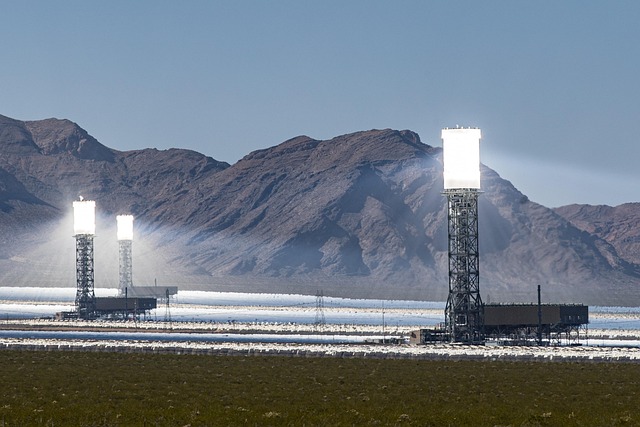
Thermodynamic Principles Behind Solar Desalination
Solar energy drives evaporation in seawater by raising its temperature until vapor forms, which later condenses into freshwater. The process efficiency varies with solar irradiance levels, ambient temperature, and the thermal design of the desalination system. Thermal storage units—such as molten salts or phase-change materials—help maintain consistent output during cloudy periods or at night by storing excess daytime heat for later use.
Photovoltaic vs. Solar Thermal Approaches
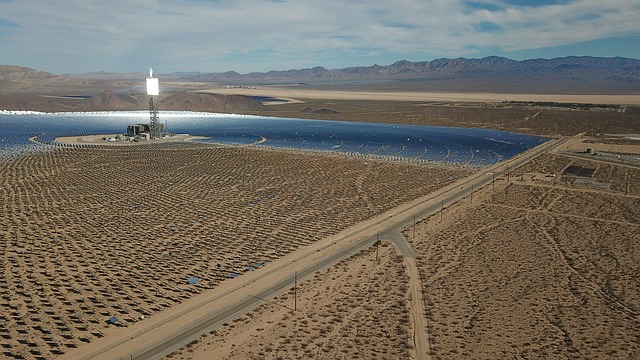
Photovoltaic (PV) systems transform sunlight directly into electricity to power reverse osmosis (RO) or electrodialysis (ED) units. In contrast, solar thermal systems concentrate sunlight using mirrors or lenses to produce heat for direct water evaporation. Hybrid configurations combine both methods: PV provides electricity for pumps and control systems, while solar thermal collectors handle bulk heating duties. This balance improves overall energy efficiency and stabilizes operational costs across varying sunlight conditions.
Understanding Brine Formation in Conventional Desalination
Traditional desalination technologies generate concentrated saline waste known as brine. Managing this byproduct is one of the industry’s major environmental challenges.
Mechanisms of Brine Generation
In conventional plants, freshwater separation leaves behind a dense saline stream. Membrane-based processes like RO and ED reject dissolved salts but produce high-salinity brine as a result. Thermal methods such as multi-stage flash distillation further concentrate salts through repeated evaporation and condensation cycles. Each stage increases salinity until discharge becomes necessary.
Environmental Implications of Brine Disposal
Discharging brine into oceans raises local salinity levels, disrupting marine ecosystems and seabed habitats. Chemical residues from antiscalants or biocides used in pretreatment further intensify ecological risks. Regulatory bodies worldwide are tightening discharge standards to limit both volume and toxicity, compelling operators to explore zero-liquid discharge alternatives.
Innovations Targeting Zero-Liquid Discharge (ZLD) in Solar Desalination
The pursuit of ZLD has driven innovation in system integration and material science within solar desalination research.
Closed-Loop System Designs for Brine Minimization
ZLD configurations recycle concentrated brine through additional evaporation stages until only solid salts remain. Crystallization units capture these solids instead of releasing liquid effluents back into the environment. Some experimental setups use solar ponds or geothermal gradients to enhance salt extraction efficiency while maintaining low operational costs for solar plants.
Emerging Materials and Membrane Technologies
Nanocomposite membranes now exhibit higher salt rejection rates with reduced fouling tendencies compared to traditional polymers. Photothermal materials—such as plasmonic nanoparticles—enable localized heating under sunlight, accelerating evaporation directly at the water surface. Hydrophobic coatings on condensers prevent salt scaling, extending component lifespan and maintaining condensation efficiency over time.
Evaluating the Feasibility of Brine-Free Operation in Solar Plants
Achieving completely brine-free operation requires balancing thermodynamic limits with economic practicality.
Energy Balance and Process Efficiency Considerations
Full crystallization demands significant additional energy beyond standard desalination needs. Engineers must weigh trade-offs between recovery rate, energy input, and plant complexity when designing systems for arid regions with limited grid access. Thermodynamic modeling helps quantify achievable recovery thresholds under real-world solar flux constraints.
Economic and Operational Challenges
Adding crystallizers and mineral recovery modules increases upfront capital costs substantially. Maintenance also becomes more demanding due to scaling control requirements within high-salinity zones. Long-term feasibility depends heavily on local factors such as electricity price stability, market value of recovered salts, and seasonal water demand profiles typical in coastal communities.
Integrating Solar Desalination With Resource Recovery Strategies
Combining desalination with resource valorization transforms waste management into an economic opportunity while supporting circular resource use.
Valorization of Salt Byproducts and Trace Minerals
Recovered salts can serve industrial sectors like chemical manufacturing or agriculture if purity meets specification standards. Extracting trace minerals such as lithium or magnesium adds financial value that offsets operational expenses. This approach aligns desalination projects with broader sustainability frameworks focused on resource efficiency.
Coupling With Renewable Energy Grids and Water Networks
Hybrid renewable systems combining wind or photovoltaic sources stabilize power supply for continuous operation even during low irradiance hours. Integration with smart grids allows dynamic load balancing between electricity generation and water production demands. Modular decentralized plants can adapt quickly to fluctuating consumption patterns along coastal regions without relying on large centralized infrastructure.
Future Research Directions Toward Sustainable Brine-Free Desalination
Research efforts continue toward modeling optimization, material innovation, and supportive policy design that encourage industry adoption of ZLD technologies.
Advanced Process Modeling and Simulation Tools
Multi-scale simulation models now predict heat transfer behavior, phase transition kinetics, and salt precipitation dynamics across different reactor geometries. Artificial intelligence tools assist engineers in identifying optimal control parameters that minimize waste formation while maximizing freshwater yield under variable solar inputs.
Policy Frameworks Supporting Technological Adoption
Governments are introducing incentives for industries adopting zero-liquid discharge solutions through tax credits or funding programs targeting sustainable infrastructure development. Establishing standardized environmental performance metrics ensures transparent comparison between projects across regions, promoting accountability within the global desalination sector.
FAQ
Q1: What makes solar-powered desalination different from conventional methods?
A: It relies entirely on renewable sunlight rather than fossil fuels to drive either thermal evaporation or membrane-based separation processes.
Q2: Can zero-liquid discharge truly eliminate all brine?
A: Technically yes, but it requires extra energy for full crystallization; most current systems aim for near-zero discharge instead of absolute elimination.
Q3: How do hybrid solar plants improve efficiency?
A: They combine photovoltaic power generation with solar thermal heating so both electricity demand and thermal requirements are met more evenly throughout the day.
Q4: What happens to the recovered salts from ZLD systems?
A: These salts can be processed for industrial use or sold commercially if purity levels meet regulatory standards.
Q5: Are there any ongoing policy efforts supporting brine-free desalination?
A: Many countries are developing incentive schemes encouraging adoption of ZLD technologies within water treatment sectors to reduce marine pollution risks.