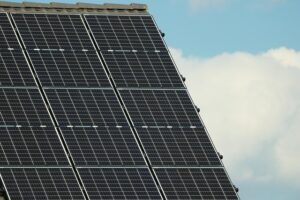

New York Legislature Passes SUNNY Act Plug-In Solar Legislation
New York’s legislature has approved the SUNNY Act, marking a pivotal shift in how distributed solar power is integrated into the state’s clean energy framework. The law creates a new category for “plug-in solar” systems—small, grid-tied units that can be connected through standard outlets. It simplifies interconnection, reduces permitting friction, and aligns with New York’s goal to achieve 70% renewable electricity by 2030. The Act reflects a broader move toward decentralization, empowering households and small businesses to contribute directly to grid decarbonization while reshaping utility and market dynamics.
Overview of the SUNNY Act and Its Legislative Context
The SUNNY Act emerges from decades of policy evolution that positioned New York as a leader in renewable integration. It builds on prior initiatives such as the Climate Leadership and Community Protection Act (CLCPA) and Reforming the Energy Vision (REV), both emphasizing distributed generation and local energy markets.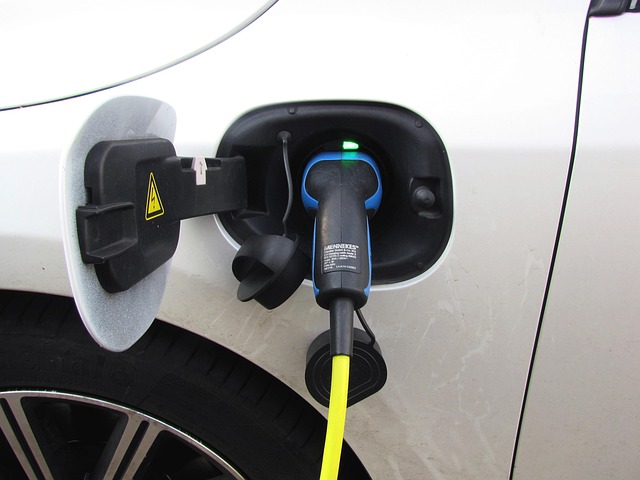
The Origins and Purpose of the SUNNY Act
New York’s renewable energy policies have gradually expanded from large-scale renewables to community-based generation. The SUNNY Act continues this trajectory by recognizing plug-in solar as a legitimate form of distributed generation. Legislators intended it to democratize access to solar power by lowering technical and administrative barriers. This approach ties directly to the state’s clean energy mandates, ensuring that even small contributors play a measurable role in achieving emission targets.
Key Provisions Relevant to Plug-In Solar Systems
Under the Act, “plug-in solar” refers to compact photovoltaic systems equipped with integrated inverters that can safely connect via standard sockets without specialized installation. Regulatory changes streamline interconnection for these devices, exempting them from traditional net metering application processes when below defined capacity thresholds. Incentive mechanisms are also introduced—rebates or credit multipliers under NYSERDA programs—to encourage early adoption while maintaining compliance with safety codes.
The Role of Plug-In Solar in New York’s Energy Transition
Plug-in solar represents a practical step toward decentralized generation. It allows end users to produce electricity at the point of consumption, easing pressure on transmission networks and enhancing resilience during peak demand periods.
Decentralization and Grid Integration Implications
These systems fit naturally within New York’s distributed energy resource (DER) strategy by supporting local balancing and reducing strain on centralized assets. While individual units are small, aggregated deployment can provide meaningful load relief during summer peaks. Integration with smart meters enables dynamic monitoring, ensuring grid stability even as participation scales up.
Economic and Policy Drivers for Plug-In Solar Adoption
Plug-in solar offers cost advantages over traditional rooftop PV because it avoids structural mounting, wiring permits, and professional installation costs. This affordability broadens participation among renters or small business owners who previously lacked access to solar incentives. Policy alignment with electrification goals—such as electric vehicle charging or home heating electrification—further amplifies its value proposition within broader decarbonization pathways.
Regulatory Adjustments Shaping Plug-In Solar Deployment
For widespread adoption, regulatory clarity is essential. The SUNNY Act introduces procedural simplifications while preserving oversight on safety and reliability.
Streamlining Permitting and Interconnection Procedures
The legislation directs utilities to adopt standardized approval protocols for plug-in solar devices meeting certified specifications. By removing lengthy engineering reviews for low-capacity systems, connection times shrink from weeks to days. Coordination between utilities and local authorities remains crucial to maintain consistent technical standards across jurisdictions.
Rate Design, Compensation, and Net Metering Evolution
Plug-in solar challenges conventional net metering since many systems operate behind-the-meter without exporting significant power. Policymakers are exploring hybrid compensation models based on time-of-use rates or locational value stacks that better reflect avoided grid costs. As participation grows, regulators must balance fairness so non-solar customers do not bear disproportionate infrastructure expenses.
Technological Dimensions of Plug-In Solar Implementation
Technical rigor underpins safe consumer adoption. Certification frameworks ensure compatibility between plug-in units and existing electrical infrastructure.
Equipment Standards and Safety Protocols
Devices must comply with UL 1741 standards for grid-tied inverters and IEEE 1547 interconnection requirements. State codes may require labeling indicating maximum rated output per outlet circuit to prevent overloads. Manufacturers play a key role in designing interoperable hardware capable of seamless communication with utility monitoring systems.
Integration with Energy Storage and Demand Response Programs
When combined with small-scale batteries, plug-in solar can participate in demand response or virtual power plant (VPP) programs managed by aggregators. Such configurations allow stored energy dispatch during high-price intervals or outages, turning passive consumers into active market participants while supporting overall system flexibility.
Market Transformation and Stakeholder Implications
The SUNNY Act reshapes relationships among utilities, consumers, installers, and technology providers by shifting value creation closer to end users.
Utility Business Models in a Plug-In Solar Environment
Utilities face revenue adjustments as self-generation reduces retail sales volumes. Some are experimenting with platform-based models where they facilitate peer-to-grid transactions or manage DER portfolios for ancillary services revenue. Maintaining reliability amid decentralized growth requires new forecasting tools and flexible rate recovery methods.
Effects on Installers, Consumers, and Technology Providers
Consumer-driven installations reduce dependence on licensed installers but open opportunities for product innovation—modular designs, smart plugs, or app-based monitoring interfaces. Training programs for electricians and inspectors will remain necessary to uphold safety standards as adoption expands across diverse housing types.
Long-Term Policy Outlook Under the SUNNY Act Framework
The initial rollout sets the foundation for iterative refinement based on performance data and stakeholder feedback.
Anticipated Regulatory Evolution Beyond Initial Implementation
Future amendments may address aggregation thresholds or integration with federal incentives like Investment Tax Credit (ITC) extensions under U.S. Department of Energy initiatives. Coordination with regional transmission organizations could enable aggregated plug-in resources to participate in wholesale markets once technical verification protocols mature.
Measuring Success: Metrics for Evaluating Plug-In Solar Impact
Key indicators include installed capacity growth rates, contribution to peak load reduction, emissions avoided per unit generated, and participation diversity across income brackets. Transparent data reporting will help policymakers calibrate incentives while identifying equity gaps between urban renters and suburban homeowners.
FAQ
Q1: What qualifies as a plug-in solar system under the SUNNY Act?
A: It is a small photovoltaic device with an integrated inverter designed for direct connection through standard household outlets without complex wiring or permits.
Q2: Does plug-in solar replace traditional rooftop installations?
A: No, it complements them by serving segments unable to install permanent rooftop arrays due to cost or property restrictions.
Q3: How does the SUNNY Act affect utility operations?
A: Utilities must adapt their grid management practices but gain opportunities through DER coordination services and new customer engagement models.
Q4: Are there safety concerns with consumer-installed systems?
A: Certified equipment compliant with UL 1741 ensures safe operation when used according to manufacturer instructions; improper use remains subject to code enforcement.
Q5: What economic benefits does plug-in solar offer residents?
A: It lowers entry costs for clean energy participation while reducing electricity bills through partial self-consumption during daylight hours.