
World Environment Day 2026: Renewable Energy Accelerates The Global Race Toward Net Zero And Climate Resilience
Clean energy businesses have become the backbone of the global transition toward net zero. By 2026, nations and corporations are expected to move from pledges to tangible emission reductions. Renewable energy systems, digitalized grids, and sustainable finance mechanisms now define the competitive edge of economies. The evidence points to one conclusion: scaling clean energy business models is not just a climate imperative but an economic necessity for resilience and long-term growth.
The Strategic Role of Clean Energy Businesses in Achieving Net Zero by 2026
The drive toward net zero has reshaped how governments and industries plan their energy futures. Clean energy businesses now act as both innovators and enablers, connecting policy ambitions with market realities.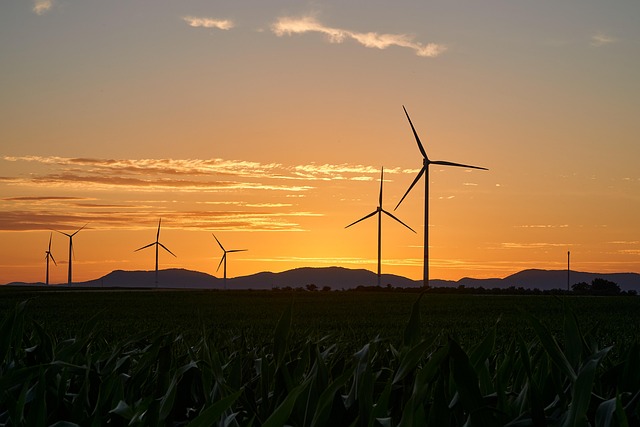
Understanding the Global Net Zero Framework
International efforts toward carbon neutrality stem from cooperative frameworks such as the Paris Agreement, which set the foundation for limiting global temperature rise to well below 2°C. COP summits continue to refine these targets through updated Nationally Determined Contributions (NDCs), pushing countries to align domestic policies with global goals. Progress is tracked using standardized metrics like greenhouse gas intensity per GDP unit, renewable share in total energy consumption, and lifecycle emissions accounting. These benchmarks guide both national reporting and corporate disclosure standards under emerging ESG frameworks.
How Clean Energy Enterprises Align with Net Zero Objectives
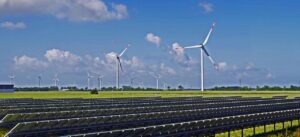
Clean energy enterprises embed renewable technologies into corporate sustainability strategies by integrating solar PV arrays, offshore wind farms, and bioenergy systems into their operations. Decarbonization pathways now extend across heavy industries such as steel, cement, and chemicals through electrification and hydrogen substitution. Governments collaborate with private investors to fund these transitions via green bonds and blended finance instruments. Such partnerships accelerate project deployment while balancing profitability with environmental accountability.
Technological Innovations Driving the Clean Energy Transition
Technology has evolved from a supporting tool to a decisive factor in achieving net zero. Innovation defines competitiveness across all layers of the clean energy value chain—from generation to storage and distribution.
Advances in Renewable Power Generation
Global renewable capacity has expanded rapidly due to cost declines in solar PV modules and wind turbines. Hybrid systems that combine solar, wind, or hydro sources deliver more stable outputs while reducing curtailment losses. Digitalization plays a crucial role here: artificial intelligence models forecast demand patterns, optimize turbine angles, and predict maintenance needs before failures occur. These tools enhance efficiency without requiring major hardware overhauls.
Energy Storage and Grid Modernization Solutions
Energy storage remains central to balancing intermittent supply from renewables. Next-generation batteries using solid-state electrolytes or sodium-ion chemistry promise higher density at lower costs than lithium-ion systems. Smart grids integrate distributed resources through real-time data exchange between producers and consumers, enabling dynamic load management during peak hours. In regions vulnerable to outages or remote geographies, decentralized microgrids powered by solar-plus-storage setups provide reliable electricity independent of national grids.
Economic Implications of Scaling Clean Energy Businesses Globally
The clean energy business landscape is no longer niche—it is a trillion-dollar opportunity reshaping global capital flows, job structures, and industrial ecosystems.
Investment Trends and Financial Mechanisms
Green bonds have grown into one of the fastest-expanding segments of global debt markets, financing everything from offshore wind farms to grid modernization projects. ESG funds channel institutional capital toward companies meeting sustainability criteria verified by third-party auditors. Public-private partnerships bridge funding gaps in emerging economies where infrastructure risk deters private investors. Risk mitigation mechanisms such as political risk insurance or currency hedging enable stable returns even in volatile markets.
Employment and Industrial Transformation Opportunities
The shift from fossil-based sectors to renewables is already transforming labor markets. The International Renewable Energy Agency (IRENA) estimates that renewable industries could employ over 40 million people globally by 2050 if current trends persist—a figure that underscores the scale of this industrial shift. Upskilling programs focused on electrical engineering, data analytics, and maintenance of renewable assets are critical for workforce readiness. Regional clusters specializing in battery manufacturing or green hydrogen production diversify local economies while reinforcing supply chain resilience.
Policy and Regulatory Dynamics Supporting Clean Energy Expansion
Policy frameworks determine how fast clean energy businesses can scale globally. Regulatory clarity reduces investor uncertainty while ensuring environmental integrity across borders.
Global Policy Instruments Accelerating Renewable Deployment
Governments use incentive schemes such as feed-in tariffs, tax credits, or auction-based procurement models to attract investment into renewables. Carbon pricing—through taxes or cap-and-trade systems—creates market signals that favor low-emission technologies over fossil fuels. Updated NDCs serve as catalysts for innovation by setting clear decarbonization milestones that encourage private sector participation. International cooperation through trade agreements helps standardize technology certification processes under ISO or IEC guidelines.
Corporate Governance and Compliance Considerations
ESG reporting requirements are tightening worldwide as regulators demand greater transparency on emissions data and climate-related risks. Companies must disclose Scope 1–3 emissions using standardized methodologies aligned with frameworks like the Task Force on Climate-related Financial Disclosures (TCFD). Ethical investment principles increasingly require full supply chain traceability—from raw material sourcing for solar panels to end-of-life recycling plans—ensuring accountability throughout production cycles.
Challenges Hindering Rapid Progress Toward Net Zero by 2026
Despite progress, structural barriers still hinder rapid decarbonization across global markets.
Infrastructure Limitations and Supply Chain Constraints
Bottlenecks persist in securing critical minerals such as lithium, cobalt, and nickel needed for battery production. Transmission infrastructure lags behind renewable generation capacity in many countries, creating congestion that limits grid integration efficiency. Circular economy practices—such as recycling spent batteries or reusing turbine blades—offer partial relief but require stronger policy support to scale effectively.
Market Volatility and Geopolitical Influences
Energy price fluctuations driven by geopolitical tensions can impact project economics for clean energy developers reliant on imported components or materials. Trade restrictions affect cross-border technology transfer essential for scaling renewables in developing regions. Adaptive business strategies—like localizing component manufacturing or diversifying supplier bases—help maintain project stability amid uncertainty but require upfront capital investment that smaller firms may struggle to secure.
The Road Ahead: Accelerating Global Climate Resilience Through Clean Energy Businesses
The next frontier lies in linking decarbonization with adaptation strategies so that societies can withstand climate shocks while maintaining economic growth.
Integrating Innovation with Climate Adaptation Strategies
Clean energy businesses increasingly design solutions that serve dual purposes: reducing emissions while enhancing resilience against extreme weather events. Data analytics platforms now combine meteorological forecasting with asset management systems to anticipate disruptions caused by storms or heatwaves. Infrastructure built with adaptive materials—such as flood-resistant substations or elevated solar farms—ensures operational continuity even under severe conditions.
Collaborative Pathways Toward a Sustainable Global Energy Ecosystem
Multi-stakeholder alliances involving governments, research institutions, investors, and community organizations are essential for achieving shared decarbonization goals by 2026 and beyond. Knowledge-sharing networks facilitate technology diffusion between developed and developing regions through open-access databases maintained by international agencies like IEA or IRENA. Long-term vision demands equitable access to affordable clean power so that no region remains excluded from the benefits of this transformation—a principle increasingly recognized as central to both climate justice and economic stability.
FAQ
Q1: What role do clean energy businesses play in achieving net zero?
A: They drive emission reductions through renewable power generation, electrification of industries, sustainable finance mechanisms, and innovation-led efficiency improvements across sectors.
Q2: How does digitalization contribute to renewable energy growth?
A: It enables predictive maintenance, real-time grid balancing, demand forecasting, and optimization of distributed resources—all essential for managing variable renewable supply efficiently.
Q3: What financial instruments support clean energy expansion?
A: Green bonds, ESG-linked loans, blended finance structures, and public-private partnerships provide critical funding channels for large-scale renewable projects worldwide.
Q4: Why are microgrids important for resilience?
A: Microgrids enhance reliability by operating independently during grid failures while supporting rural electrification where centralized infrastructure is weak or absent.
Q5: What challenges remain before reaching net zero by 2026?
A: Key obstacles include supply chain shortages for critical minerals, inadequate transmission infrastructure, policy inconsistencies across regions, and geopolitical risks affecting investment flows.