
How to Clean Solar Panels in Arid Areas? Waterless Systems Could Improve Efficiency
Solar farms in arid regions face a persistent challenge: dust and sand accumulation that drastically reduces photovoltaic output. Traditional water-based cleaning methods are increasingly unsustainable due to severe water scarcity. Automated solar panel cleaning technologies, particularly waterless systems, have emerged as a practical alternative. They combine robotics, nanotechnology, and data analytics to maintain performance without depleting local water resources. In desert environments where maintenance costs are high and manual access is limited, these systems deliver measurable gains in energy yield and long-term reliability.
The Relationship Between Solar Panel Efficiency and Dust Accumulation
Dust accumulation on solar panels is not merely a cosmetic issue; it directly affects the physics of light absorption and heat transfer. In arid zones, where airborne particles are fine and frequent, this becomes a dominant factor in efficiency loss.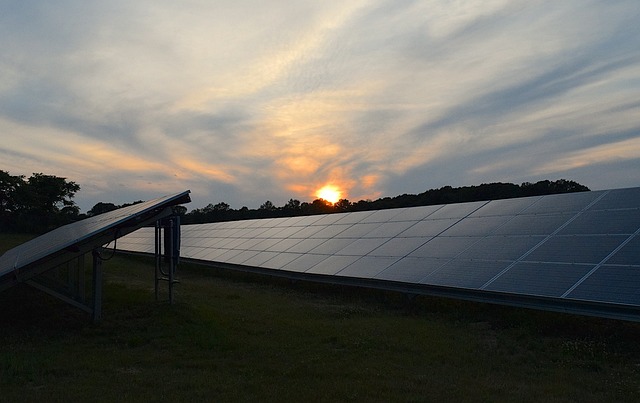
The Impact of Dust and Sand on Photovoltaic Performance
Accumulated dust particles block sunlight from reaching the photovoltaic surface, reducing the rate of energy conversion. In desert environments such as the Middle East or North Africa, fine sand grains settle quickly after wind events, forming layers that scatter incoming radiation. Repeated exposure leads to uneven heating across the panel surface, creating microthermal gradients that degrade cell performance over time. The problem intensifies during sandstorms when particle density spikes dramatically.
Quantifying Energy Loss Due to Soiling in Arid Environments
Empirical studies have reported annual energy losses ranging from 10% to 40% depending on local soiling conditions. The composition of dust—silica-rich or carbonate-based—determines its reflectivity and adhesion strength. Panels installed at steeper tilt angles tend to shed particles more effectively than flat-mounted arrays. Seasonal variations also matter: dry months see higher deposition rates compared with periods of occasional rainfall that naturally rinse surfaces.
Challenges of Conventional Cleaning Methods in Arid Regions
Maintaining solar assets in deserts demands approaches that respect both environmental constraints and economic feasibility. Traditional washing methods often fail under these conditions.
Limitations of Water-Based Cleaning Systems
Water scarcity remains the most critical limitation for conventional cleaning. Transporting large volumes of water to remote solar farms inflates operational costs and contradicts sustainability goals. Frequent manual washing can erode anti-reflective coatings or leave mineral residues that further reduce transmittance. Over time, these residues create hard crusts requiring abrasive removal—something operators try to avoid due to potential surface damage.
Environmental and Economic Implications of Manual Cleaning
Manual cleaning increases downtime because panels must be shut off during maintenance cycles. Labor-intensive operations expose workers to extreme temperatures exceeding 45 °C in many desert sites. Fuel consumption from transporting water tanks adds indirect emissions, undermining renewable energy’s environmental promise. These factors have accelerated the shift toward automated solar panel cleaning solutions that minimize human intervention while maintaining consistent performance.
Automated Solar Panel Cleaning Technologies
Automation has transformed solar operations by introducing continuous maintenance capabilities independent of human scheduling or resource delivery.
Overview of Automation in Photovoltaic Maintenance
Automated cleaning systems use robotic units programmed for daily or weekly operation based on site-specific soiling patterns. Integration with IoT sensors allows real-time monitoring of dust levels so that robots activate only when necessary. This adaptive behavior reduces wear on mechanical parts while conserving battery power used by each device.
Types of Automated Cleaning Systems Used in Arid Climates
Robotic Dry Brush Cleaners
These machines employ soft microfiber rollers or silicone brushes that glide along panel rows using minimal electricity drawn from onboard solar cells. They remove loose dust efficiently without scratching glass surfaces or relying on external power sources—ideal for isolated installations covering several hectares.
Electrostatic and Air-Blow Systems
Electrostatic cleaners generate charged fields that repel fine dust particles from panel surfaces, while air-blow systems use compressed jets to dislodge contaminants mechanically. Both options suit large-scale photovoltaic plants where cleaning frequency must match rapid soiling rates following wind events.
Waterless Cleaning Innovations for Desert-Based Solar Farms
As climate pressures intensify, research has focused on developing dry-cleaning solutions compatible with harsh desert conditions.
Advancements in Dry-Cleaning Technologies
Nanocoatings applied to panel glass reduce surface energy, preventing dust adhesion and simplifying mechanical removal during automated passes. Some systems employ vibration modules mounted behind panels; controlled oscillations shake off accumulated material without physical contact. Hybrid designs combine gentle brushing with compressed air bursts for thorough yet non-abrasive results—a compromise between efficacy and longevity.
Evaluating the Cost-Benefit Ratio of Waterless Solutions
Initial installation costs for automated dry-cleaning equipment can appear high but are offset by reduced operational expenses over time. Eliminating water procurement lowers logistics complexity significantly. Predictive maintenance algorithms embedded within control software determine optimal cleaning intervals based on weather forecasts and historical performance data, maximizing return on investment through sustained energy yield improvements.
Integration of Data Analytics and AI in Cleaning Optimization
Data-driven management now plays a central role in modern photovoltaic maintenance strategies across utility-scale projects.
Predictive Models for Soiling Detection and Scheduling
Machine learning models trained on meteorological inputs—wind speed, humidity, particulate concentration—forecast expected soiling rates days ahead. Drone-based imaging equipped with AI recognition tools identifies contamination zones requiring priority attention, allowing targeted rather than blanket cleaning operations.
Performance Monitoring Through Real-Time Data Feedback
Integrated sensors continuously track voltage output deviations correlated with cleanliness levels across module arrays. Cloud-based analytics platforms compile this information into dashboards accessible by operators anywhere in the world. Automated triggers then dispatch robotic cleaners when thresholds are exceeded, ensuring minimal production loss between cycles.
Sustainability and Long-Term Operational Considerations
The adoption of automated waterless systems aligns closely with global sustainability targets set by organizations such as IRENA and the IEA for efficient resource use within renewable infrastructure.
Environmental Benefits of Automated Waterless Systems
By eliminating freshwater dependency, these technologies conserve scarce hydrological reserves critical for local communities near desert installations. Reduced truck transport lowers carbon emissions associated with fuel use, while decreased manual labor enhances worker safety metrics under occupational standards like ISO 45001 certification frameworks.
Future Prospects for Automation in Harsh Climate Conditions
Next-generation materials featuring self-healing coatings could further decrease maintenance intervals by repairing micro-scratches autonomously under UV exposure. Robotics designed for variable terrain may soon adapt dynamically across uneven ground typical of large desert farms. Collaboration between technology developers and utility operators will remain essential to scale deployment across emerging markets such as North Africa, Australia’s interior regions, and southwestern United States deserts where solar expansion continues rapidly.
FAQ
Q1: How much efficiency can be lost due to dust accumulation?
A: Depending on location and seasonality, efficiency losses can range between 10% and 40%, especially after prolonged dry spells without natural rainfall rinsing effects.
Q2: Why is water-based cleaning less viable in deserts?
A: Water scarcity makes regular washing unsustainable; transporting it over long distances raises both cost and environmental burden.
Q3: What is automated solar panel cleaning?
A: It refers to robotic or electrostatic systems that clean photovoltaic modules automatically using dry brushes, air jets, or vibration mechanisms instead of manual labor or water use.
Q4: Are nanocoatings effective against heavy sandstorms?
A: Nanocoatings help reduce adhesion but cannot fully prevent buildup during intense storms; they work best when paired with scheduled robotic cleaning afterward.
Q5: How does AI improve cleaning efficiency?
A: AI analyzes weather data and system output trends to predict optimal cleaning times, reducing unnecessary cycles while keeping panels operating near peak capacity.