
How a Ford Puma Helped Us Capture the Tastes of Britain’s Cities
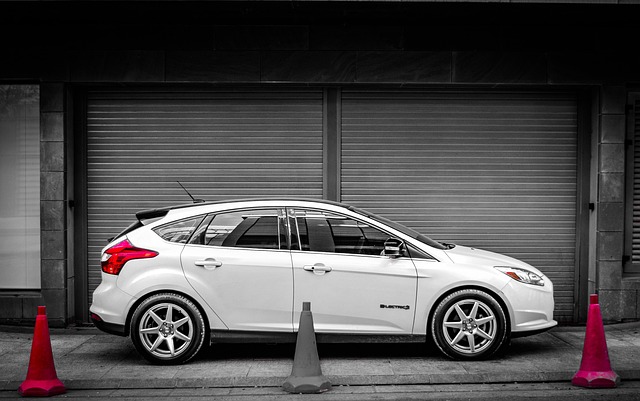
Urban exploration in Britain has evolved from a matter of movement to an art of cultural discovery. The Ford Puma Electric exemplifies this shift, merging sustainable design with the rhythm of city life. By combining electric mobility with digital intelligence, it allows travelers to experience Britain’s culinary and cultural diversity without environmental compromise. This vehicle doesn’t just transport—it connects people with the sensory identity of each city, redefining how modern mobility interacts with urban flavor.
The Intersection of Mobility and Urban Culture
Cities are living organisms shaped by motion, sound, and taste. Mobility no longer serves only as a means to commute but as a channel for cultural immersion.
Understanding the Concept of Urban Flavor Exploration
“Urban flavor” captures how local identity manifests through food, art, and community spaces. Each city’s rhythm is reflected in its street food stalls, coffee houses, and public squares. Modern mobility expands this exploration by allowing seamless movement between diverse neighborhoods. Vehicles like the Ford Puma Electric link people to culinary hubs that might otherwise remain hidden behind congested routes or emission-restricted zones.
The Evolution of City Travel in Britain
Urban travel across Britain has shifted toward sustainability-driven innovation. Cities such as London and Manchester now prioritize low-emission zones and electric charging networks. This transformation encourages drivers to adopt electric vehicles for both ethical and practical reasons. As infrastructure grows—fast chargers at supermarkets, solar-powered parking hubs—urban exploration becomes cleaner and more connected.
Ford Puma Electric: Engineering for the Modern Cityscape
The new landscape of British cities demands vehicles that balance performance with responsibility. The Ford Puma Electric embodies this equilibrium through its compact form and forward-thinking engineering.
Design Philosophy Behind Ford Puma Electric
The design focuses on agility within tight city grids while maintaining comfort for extended drives. Its electric powertrain delivers quiet yet responsive performance ideal for stop-and-go traffic. The exterior styling mirrors modern urban aesthetics—sleek lines, LED signatures, and a stance that feels both sporty and refined.
Technological Innovations Enhancing Urban Driving
Electric mobility thrives on intelligent systems. The Ford Puma Electric integrates adaptive cruise control, lane centering assistance, and real-time traffic data to navigate dense areas efficiently. Regenerative braking recovers energy during deceleration, extending range during city commutes. Connectivity tools sync with smartphones and local services, guiding drivers toward charging stations or nearby dining spots.
Redefining Urban Exploration Through Sustainable Mobility
Electric driving changes not only how people move but also how they perceive their surroundings. Silence replaces engine noise; clean air replaces exhaust haze.
How Electric Mobility Shapes Urban Experiences
Noise reduction enhances sensory awareness—street musicians sound clearer, market aromas feel more vivid. Zero-emission operation aligns with municipal sustainability goals under frameworks like the UK Clean Air Strategy (DEFRA). Many cities now grant EVs access to restricted areas or discounted parking, encouraging further adoption.
Exploring Britain’s Cities Through an Electrified Lens
Each British city offers distinct flavors that pair naturally with electric exploration.
London’s Dynamic Food Scene on Silent Wheels
Driving through London’s Borough Market or Camden Lock in an EV reduces congestion impact while enabling spontaneous stops at global cuisine stalls. Silent operation fits the capital’s push toward low-noise zones around residential districts.
Manchester’s Fusion of Tradition and Innovation
Manchester blends industrial heritage with creative gastronomy—from refurbished mills turned into breweries to vegan pop-ups in Ancoats. The Ford Puma Electric’s efficient navigation system helps explore these evolving districts without range anxiety.
Edinburgh’s Sustainable Taste Trails
Edinburgh’s steep streets test endurance but highlight EV engineering excellence. With regenerative braking managing descents along historic routes like the Royal Mile, drivers can explore eco-conscious cafes participating in Scotland’s Green Tourism program.
Integrating Technology, Taste, and Travel Experience
Digital ecosystems now shape how travelers interact with cities as much as physical roads do.
Digital Ecosystems Supporting Exploration
In-car infotainment suggests local eateries based on location data and user preferences. Mapping software calculates optimal routes connecting multiple food destinations while monitoring battery levels. Integration with mobile apps enables quick reservations or sustainability tracking for diners seeking eco-certified venues.
Sensory Engagement Beyond Driving Performance
Electric silence transforms perception—ambient sounds like chatter or rain become part of the journey rather than background noise. This clarity deepens emotional connection; aromas from bakeries drift through open windows unmasked by exhaust fumes.
The Broader Impact on Urban Identity and Sustainability Goals
Sustainable vehicles influence not only transportation habits but also economic participation within cities.
Encouraging Local Economic Participation Through Mobility Innovation
Electric mobility fosters micro-tourism by motivating residents to rediscover local districts instead of traveling long distances. Restaurants near charging stations benefit from increased footfall as drivers pause during recharging sessions—an emerging synergy between transport technology and small business growth.
The Future Outlook for Electrified Urban Exploration in Britain
Future expansion of high-speed chargers under national infrastructure plans will extend EV travel beyond metropolitan centers into regional towns. Collaboration between automakers like Ford, municipal planners, and cultural institutions could create curated “electric travel trails” linking heritage sites with sustainable dining experiences. Vehicles such as the Ford Puma Electric illustrate how design can redefine urban identity through environmentally conscious exploration rather than consumption alone.
FAQ
Q1: What makes the Ford Puma Electric suitable for city driving?
A: Its compact size, responsive powertrain, and advanced driver-assist systems make it ideal for maneuvering through tight streets while maintaining efficiency.
Q2: How does electric mobility contribute to sustainability goals?
A: It reduces emissions, lowers noise pollution, and supports government initiatives aimed at cleaner urban environments.
Q3: Are there enough charging facilities across major UK cities?
A: Yes, most metropolitan areas have expanded public charging networks significantly under national infrastructure programs supported by private partnerships.
Q4: Can electric vehicles enhance local tourism?
A: Absolutely; EV-friendly policies encourage travelers to explore nearby attractions sustainably while benefiting local businesses near charging points.
Q5: How does quieter driving affect urban experiences?
A: Reduced engine noise heightens sensory awareness—allowing people to better appreciate city soundscapes and flavors without distraction.