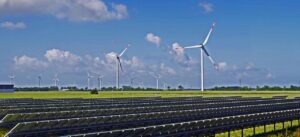
Growatt Unveils AC-Coupled ESS
The launch of Growatt’s AC-coupled energy storage system marks a decisive step in distributed energy evolution. It bridges grid interaction, retrofit flexibility, and intelligent control into one platform. The design reflects a mature understanding of how power electronics and digital intelligence converge to stabilize modern grids while giving users more autonomy. For experts tracking inverter innovation, this platform demonstrates how modular architecture and predictive algorithms can reshape both residential and commercial applications.
The Evolution of Energy Storage Systems and the Role of AC Coupling
As solar installations mature, the architecture behind energy storage systems (ESS) has shifted toward more adaptable designs. The move to AC coupling is not merely a technical preference but a response to market demand for retrofitting and hybrid integration.
Understanding the Shift Toward AC-Coupled ESS Architecture
AC-coupled systems are increasingly favored because they allow existing photovoltaic (PV) systems to integrate storage without replacing current inverters. This decoupling between solar generation and storage enhances scalability—installers can expand capacity or update components independently. Moreover, the architecture supports both grid-tied operation and backup functionality, offering resilience during outages.
Comparing AC-Coupled and DC-Coupled Configurations
DC-coupled setups remain efficient for new builds since they minimize conversion losses by sharing a common DC bus. However, they limit retrofit options because PV and battery share control logic. By contrast, AC-coupled systems use independent inverters for PV and storage, simplifying maintenance and enabling phased upgrades as technology advances.
Growatt’s Technological Approach to High-Efficiency Inverter Design
Growatt inverters are recognized for their consistent efficiency across variable load conditions. Their engineering approach combines precision hardware with adaptive software that responds dynamically to environmental changes.
Core Engineering Principles Behind Growatt Inverters
Advanced power electronics convert energy with minimal loss even under fluctuating irradiance. Intelligent maximum power point tracking (MPPT) algorithms extract optimal output from each string regardless of shading or temperature variance. The modular design allows configurations ranging from single-phase residential units to multi-megawatt commercial arrays, reducing complexity in system design.
Innovations Enhancing Grid Interaction and Stability
Grid stability depends on fast-reacting inverter controls. Growatt integrates real-time reactive power management to stabilize voltage at the point of connection. Frequency response capability allows the inverter to support grid balancing during frequency deviations. Adaptive firmware updates maintain compatibility with evolving smart grid communication standards such as IEC 61850.
Integration of Growatt Inverters in the New AC-Coupled ESS Platform
The new platform merges inverter intelligence with coordinated energy management logic. It enables seamless cooperation between PV generation, battery storage, and grid signals through high-speed digital communication.
System Architecture and Communication Framework
The inverter exchanges data with the battery management system via high-speed protocols like CAN or RS485. Coordinated control ensures charging cycles respond to real-time load profiles and grid conditions. Cloud-based monitoring platforms allow installers to access diagnostics remotely, improving service efficiency while reducing site visits.
Efficiency Gains Through Intelligent Power Flow Management
Bidirectional inverters manage two-way energy flow between solar arrays, batteries, and the utility grid. Dynamic load balancing minimizes unnecessary conversions when solar output peaks or demand surges unexpectedly. Predictive analytics forecast consumption trends based on historical data, optimizing charge-discharge scheduling for higher round-trip efficiency.
Performance Optimization Through Advanced Control Algorithms
Performance tuning now relies less on static parameters and more on continuous learning models that interpret weather forecasts and user habits.
Adaptive Energy Management Strategies
AI-driven control adjusts inverter behavior according to sunlight prediction and consumption patterns gathered over time. Time-of-use optimization automatically shifts battery discharge to periods when electricity prices rise sharply, cutting operational costs for end users. Smart scheduling aligns charging windows with renewable production peaks—an approach particularly effective in regions with variable solar profiles.
Thermal Management and System Longevity Enhancements
High-density electronics demand robust cooling strategies. Active airflow channels maintain stable internal temperatures during sustained high loads. Embedded temperature sensors feed real-time data into predictive maintenance software that flags early signs of thermal stress or component fatigue. Improved heat dissipation extends inverter lifespan while keeping maintenance predictable.
Scalability and Flexibility in Deployment Scenarios
Energy markets require adaptable solutions that scale smoothly across sectors without redesigning core hardware.
Residential, Commercial, and Industrial Use Cases
Growatt’s modular inverter structure scales from small homes targeting self-consumption up to large industrial facilities requiring peak shaving or backup supply. Hybrid configurations combine both functions within one control environment, reducing installation footprint. Open communication interfaces connect easily with building energy management systems (BEMS), enabling centralized oversight across multiple assets.
Compatibility with Future Energy Technologies
The platform anticipates future integration needs such as EV chargers, heat pumps, or microgrid controllers using open communication standards like Modbus TCP/IP or SunSpec protocols. Firmware updates keep compliance aligned with upcoming regulatory frameworks under IEC or IEEE standards, ensuring long-term viability without hardware replacement.
The Strategic Impact of Growatt’s AC-Coupled ESS Launch on the Market Landscape
This release positions Growatt as a catalyst for decentralized energy growth by aligning product design with emerging global trends toward distributed generation.
Strengthening the Distributed Energy Ecosystem
AC-coupled ESS solutions support decentralized networks where prosumers generate, store, and share electricity locally. Such architectures help utilities balance supply-demand variations through aggregated distributed resources while strengthening grid resilience against regional disruptions.
Market Implications for Installers and System Integrators
For installers, simplified wiring layouts shorten installation time significantly compared to traditional hybrid setups. Unified configuration software reduces training requirements for technicians managing diverse project portfolios. Greater interoperability expands opportunities across residential retrofits and commercial upgrades alike—key advantages as global demand for flexible ESS continues rising.
FAQ
Q1: What distinguishes an AC-coupled ESS from a DC-coupled one?
A: An AC-coupled system connects PV arrays and batteries through separate inverters linked by an AC bus, allowing independent operation and easier retrofitting compared to DC-coupled designs that share a single DC path.
Q2: Why is Growatt focusing on adaptive firmware?
A: Adaptive firmware allows continuous alignment with smart grid standards and evolving market requirements without replacing hardware components.
Q3: How does AI improve system performance?
A: AI algorithms analyze consumption patterns and weather forecasts to schedule charging cycles efficiently while minimizing reliance on grid imports during peak tariffs.
Q4: Can Growatt’s new ESS integrate with existing solar setups?
A: Yes, its AC coupling makes it ideal for upgrading existing PV systems without altering current array wiring or inverter infrastructure.
Q5: What benefits do installers gain from this platform?
A: Installers benefit from faster setup times, reduced configuration complexity, remote monitoring tools, and compatibility across multiple project types—from small homes to industrial facilities.