

Report Flags New Environmental Challenge: Growing Volumes Of Solar Panel And EV Battery Waste
The global shift toward renewable energy has brought a new environmental dilemma: the mounting waste from solar panels and electric vehicle (EV) batteries. As installations surge, so does the volume of decommissioned equipment. The sustainability of solar energy now depends not only on clean power generation but also on how efficiently its materials are recovered and reused. Without robust recycling systems, the sector risks trading one environmental problem for another—replacing carbon emissions with toxic waste.
The Emerging Challenge of Solar Panel Waste
The rapid growth of solar installations has created a parallel challenge in managing end-of-life panels. Experts warn that as early-generation photovoltaic (PV) systems reach retirement age, waste volumes will climb sharply, testing the industry’s environmental claims.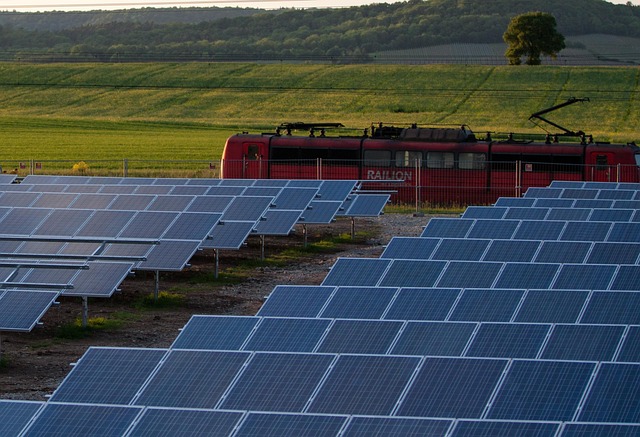
The Scale of the Growing Waste Problem
Global solar capacity is expanding faster than ever, driven by falling costs and policy incentives. However, each panel typically lasts about 25 to 30 years, meaning that by the 2030s, millions of tons of panels will reach their end-of-life stage. Studies by the International Renewable Energy Agency (IRENA) estimate that cumulative PV waste could exceed 70 million tons by 2050 if current trends continue. Improper disposal—especially landfilling—threatens to undermine public confidence in solar energy’s green reputation.
Composition and Environmental Risks of Discarded Panels
Solar panels are primarily made from glass and aluminum, but they also contain silicon cells and trace amounts of hazardous materials like lead and cadmium. When discarded improperly, these substances can leach into soil or groundwater, posing long-term contamination risks. In regions lacking recycling infrastructure, panels often end up in general waste streams. Recycling inefficiencies further compound the issue; current processes recover only part of the valuable materials, leaving much potential for improvement.
Assessing the Sustainability of Solar Energy in Light of Waste Concerns
Sustainability assessments for solar technologies have traditionally focused on operational emissions rather than full lifecycle impacts. Including waste management shifts this perspective significantly.
Lifecycle analysis (LCA) frameworks are evolving to account for end-of-life treatment. When disposal and recycling are factored in, the true environmental footprint becomes clearer—sometimes less favorable than previously assumed.
Lifecycle Assessment and True Environmental Footprint
Conventional LCAs often overlook what happens after decommissioning. Yet including waste handling changes key sustainability metrics such as energy payback time and carbon intensity. For instance, while solar power emits far less CO₂ during operation compared to fossil fuels, inefficient recycling can offset some of these gains through energy-intensive material recovery or landfill emissions.
Economic and Policy Implications for Circular Solar Systems
Recycling costs remain high relative to raw material values, limiting commercial interest under current market conditions. Policy frameworks like extended producer responsibility (EPR) exist in some jurisdictions but lack consistent enforcement globally. Introducing financial incentives—such as deposit-refund schemes or tax credits for recycled content—could make circular practices more attractive for manufacturers and investors alike.
Technological Innovations Addressing Panel End-of-Life Challenges
Innovation is reshaping how the industry approaches PV waste management. From advanced recycling techniques to smarter product design, technology plays a pivotal role in improving material recovery efficiency.
Advances in Recycling Technologies for Photovoltaic Modules
New mechanical separation methods can now isolate glass and metals without damaging silicon wafers, while thermal processes remove encapsulants more cleanly than traditional shredding. Chemical recovery techniques are emerging too, capable of reclaiming silver and other trace elements at higher purity levels. Closed-loop systems aim to reintroduce recovered materials directly into new panel production lines—reducing both waste volumes and demand for virgin resources.
Design for Disassembly and Material Reuse Strategies
Manufacturers are experimenting with modular designs that allow easier disassembly at end-of-life. This approach simplifies component sorting and minimizes contamination between materials. Some firms have replaced toxic solder compounds with lead-free alternatives or adopted recyclable encapsulants that maintain performance yet reduce disposal risks. These design choices form part of a broader move toward circular manufacturing cycles within the renewable sector.
Parallels Between Solar Panel and EV Battery Waste Management
The convergence between solar panel waste and EV battery disposal highlights shared challenges across clean technologies. Both depend on critical minerals whose extraction carries environmental costs.
As renewable adoption accelerates across sectors, managing simultaneous waste streams becomes increasingly complex.
Shared Material Recovery Challenges Across Clean Technologies
Like PV modules, EV batteries rely heavily on scarce elements such as lithium, cobalt, nickel, and copper—all vital for high-performance energy storage or conductivity. Current global recycling capacity cannot handle projected volumes from both industries simultaneously. Developing shared collection networks or co-processing facilities could lower costs while improving recovery rates across technologies.
Policy Synergies for Integrated Renewable Waste Governance
Harmonizing regulations between sectors would streamline classification standards for hazardous components like electrolytes or semiconductor layers. Joint research programs could accelerate breakthroughs in scalable recycling methods applicable to multiple renewable products. On an international level, coordinated frameworks would help distribute processing capacity more equitably between developed and developing economies—avoiding future bottlenecks.
Strategic Pathways Toward a Sustainable Solar Future
Achieving long-term sustainability requires embedding circular economy principles throughout the entire solar value chain—from design to decommissioning.
Industry collaboration is essential: manufacturers must design recyclable products; policymakers must create economic signals that reward responsible behavior; investors must value lifecycle transparency alongside financial performance.
Building a Circular Economy Framework for Solar Energy Systems
Circularity means designing out waste from inception. Lifecycle traceability tools like digital product passports can track materials through manufacturing, use, and disposal phases—offering data-driven insights into resource flows. Establishing standardized recycling benchmarks would promote accountability among producers while helping regulators monitor compliance more effectively.
Integrating Sustainability Metrics Into Solar Project Planning and Investment Decisions
Institutional investors increasingly assess end-of-life strategies as part of ESG evaluations before funding large-scale projects. Transparent reporting on recyclability influences procurement choices by utilities seeking long-term resilience rather than short-term returns. Embedding circular metrics into project feasibility studies strengthens confidence among stakeholders that solar expansion aligns with genuine environmental stewardship—a key factor sustaining public support during energy transitions.
FAQ
Q1: Why is solar panel waste becoming an urgent issue?
A: Because early installations from two decades ago are reaching their end-of-life phase just as global deployment accelerates, creating an unprecedented surge in decommissioned panels without adequate recycling systems.
Q2: What hazardous substances do old panels contain?
A: They may include trace levels of lead, cadmium, or other metals sealed within layers that can leach into soil if landfilled improperly.
Q3: Are there effective recycling methods available today?
A: Yes—but most remain costly or limited in scale; mechanical separation works best for glass and aluminum recovery while chemical processes target precious metals like silver or indium.
Q4: How do policies influence sustainable solar waste management?
A: Stronger EPR laws compel manufacturers to take responsibility for collection and recycling; incentive-based schemes can offset high processing costs through subsidies or tax benefits.
Q5: How does this relate to EV battery recycling?
A: Both involve critical mineral recovery challenges; integrating policy frameworks could create shared infrastructure that handles renewable technology waste more efficiently across sectors.