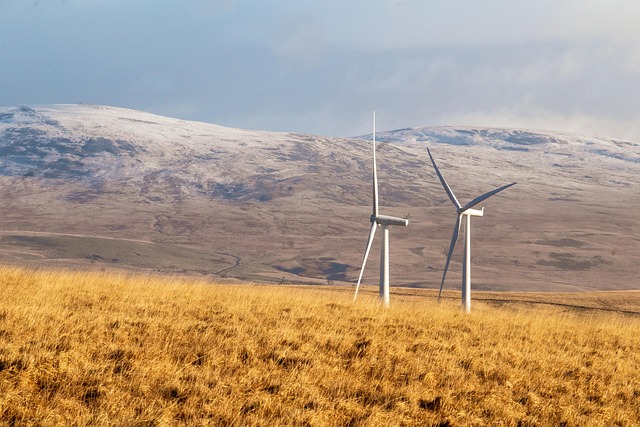

In Search of Cleaner Energy, the Northeast U.S. Plugs Into Canadian Hydropower
The New England Clean Energy Connect (NECEC) marks a pivotal shift in the Northeast’s energy landscape. By linking Hydro-Québec’s vast hydropower resources with New England’s grid, it introduces a stable, low-carbon supply to a region long dependent on natural gas. The project is more than a transmission line; it’s an interconnection of policy goals, technical innovation, and environmental responsibility. For experts tracking North America’s decarbonization path, NECEC demonstrates how cross-border collaboration can strengthen grid reliability while supporting state-level clean energy mandates.
The Strategic Importance of the New England Clean Energy Connect (NECEC)
The NECEC project represents a cornerstone in regional energy transformation. It connects two mature electricity markets—Canada and the U.S.—through infrastructure designed to transport renewable hydropower efficiently.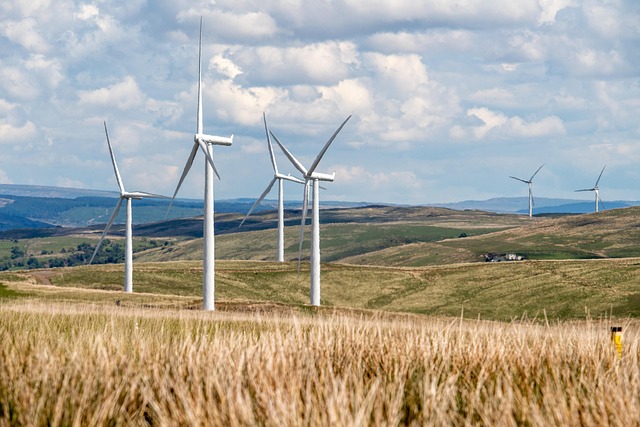
Overview of the Project’s Objectives and Scope
The New England Clean Energy Connect is designed to import hydropower from Quebec into New England’s grid. Its goal is to enhance regional reliability and reduce carbon emissions by providing up to 1,200 megawatts of clean electricity. This capacity can power roughly one million homes in Maine and Massachusetts. The project also serves as a critical infrastructure link between U.S. and Canadian energy systems, bridging regulatory frameworks and market operations across borders.
Regional Energy Context in the Northeast U.S.
New England faces high electricity demand combined with aging infrastructure that limits flexibility. Heavy reliance on natural gas for power generation exposes consumers to price volatility during winter peaks when pipeline constraints emerge. Integrating Canadian hydropower diversifies the generation mix and reduces exposure to fossil fuel price swings. Cross-border interconnections such as NECEC therefore offer not just cleaner power but also system stability through predictable baseload supply.
Cross-Border Power Trade Dynamics Between the U.S. and Canada
Electricity trade between the two nations has deep roots, shaped by geography and complementary resource bases. Canada’s hydropower reservoirs balance well with the U.S.’s variable renewables like wind and solar.
Historical Background of U.S.–Canada Electricity Exchange
For decades, bilateral agreements have underpinned North American energy cooperation. Since the 1960s, hydropower exports from Canada have supported U.S. grid stability during seasonal peaks. Coordination through entities like NERC and FERC has harmonized reliability standards across borders, creating one of the most integrated electricity markets globally.
How NECEC Fits into the Broader North American Power Market
NECEC enhances transmission capacity between Hydro-Québec and ISO New England, effectively expanding access to renewable generation within a shared market framework. It allows real-time balancing of supply-demand fluctuations across regions with different load profiles. By transmitting clean hydroelectricity southward, it complements intermittent wind resources in northern Maine and offshore areas, reinforcing grid resilience.
Technical Architecture and Transmission Design of NECEC
Behind its strategic value lies an advanced engineering design tailored for efficiency and minimal environmental disruption.
Engineering Specifications and Infrastructure Layout
The NECEC employs high-voltage direct current (HVDC) technology to minimize transmission losses over long distances—an essential choice for cross-border projects exceeding 200 miles. The route includes both underground sections through sensitive ecological zones and overhead lines along existing corridors to reduce new land disturbance. Converter stations at both ends enable seamless integration with alternating current (AC) networks in Maine and Quebec.
Grid Integration Challenges and Solutions
Integrating HVDC into ISO New England’s AC-based grid requires precise synchronization protocols to maintain frequency stability. Advanced control systems manage bidirectional power flows depending on market conditions or emergency support needs. Cybersecurity frameworks aligned with NERC Critical Infrastructure Protection standards safeguard digital assets from potential threats—a growing concern as transmission systems become increasingly automated.
Environmental and Socioeconomic Considerations
While technical merit defines feasibility, environmental integrity determines public acceptance—a lesson repeatedly reinforced across large-scale energy projects.
Evaluating Carbon Reduction Potential Through NECEC Imports
Hydropower imports displace fossil-fuel-based generation that currently dominates regional dispatch stacks during peak hours. Lifecycle analyses show that hydroelectricity’s carbon footprint is significantly lower than gas or oil-fired alternatives when accounting for upstream emissions. By supplying firm renewable capacity, NECEC supports Massachusetts’ Clean Energy Standard targets for 2050 decarbonization without compromising reliability.
Local Environmental Impacts and Mitigation Measures
Construction inevitably affects local ecosystems through forest fragmentation or visual alteration along corridors. To mitigate these effects, design adaptations include narrower clearings, wildlife crossings, and reforestation programs post-construction. Erosion control measures protect waterways during trenching activities, while wetland preservation plans comply with federal Clean Water Act provisions. Continuous stakeholder engagement ensures communities influence route adjustments where social or ecological sensitivities arise.
Policy, Regulation, and Market Implications of NECEC Implementation
Policy alignment across jurisdictions remains as complex as engineering execution itself.
Navigating Permitting, Legal Challenges, and Public Opposition
Permitting spans multiple agencies—from Maine’s Department of Environmental Protection to federal regulators under FERC—and requires coordination with Quebec authorities on transboundary impacts. Legal challenges have delayed construction at times due to disputes over land use rights or ballot initiatives seeking project cancellation. Transparent communication strategies are therefore vital for maintaining public trust while demonstrating compliance with environmental standards.
Implications for Regional Energy Markets and Policy Alignment
Once operational, NECEC could reshape wholesale pricing dynamics by introducing low-cost hydroelectric imports into ISO New England markets traditionally constrained by gas prices. This integration promotes alignment between U.S.–Canadian clean energy policies under shared decarbonization goals outlined in national climate strategies. It also signals investor confidence for future cross-border renewable projects spanning wind corridors in Manitoba or solar expansions in Ontario connected southward through HVDC backbones.
Future Outlook for Cross-Border Renewable Integration in North America
NECEC offers lessons extending beyond its immediate geography—lessons about governance models capable of scaling continental electrification efforts sustainably.
Lessons from NECEC for Future Transmission Projects
The project demonstrates that large-scale renewable integration across national boundaries is technically feasible when political consensus aligns with environmental stewardship principles. It highlights how early stakeholder engagement reduces litigation risks later in development cycles—a recurring barrier in North American infrastructure planning.
Emerging Trends in Continental Clean Energy Collaboration
Looking ahead, expansion of HVDC corridors connecting renewable-rich regions like Canada’s north or America’s Midwest with coastal demand centers appears inevitable. Digital grid management tools using real-time analytics will enhance transnational coordination among operators such as Hydro-Québec TransÉnergie and ISO New England Control Room staff. Policy evolution points toward integrated North American decarbonization strategies supported by shared investments rather than isolated state initiatives—a gradual but unmistakable trend shaping this decade’s energy diplomacy.
FAQ
Q1: What is the main purpose of the New England Clean Energy Connect?
A: Its primary goal is to deliver up to 1,200 megawatts of clean hydropower from Quebec into New England’s grid to improve reliability and cut carbon emissions.
Q2: Why does New England need imported hydropower?
A: The region relies heavily on natural gas; hydropower provides diversification against fuel price spikes while helping meet emission reduction mandates.
Q3: How does HVDC technology benefit NECEC?
A: HVDC minimizes long-distance transmission losses compared with AC systems and allows efficient cross-border power exchange without destabilizing local grids.
Q4: What environmental protections are included in NECEC construction?
A: Measures include underground routing through sensitive areas, habitat restoration after clearing activities, wetland protection plans, and continuous ecological monitoring.
Q5: Could NECEC influence future North American energy policy?
A: Yes, it sets a precedent for collaborative renewable integration projects that align U.S.–Canadian decarbonization goals while strengthening continental grid interconnectivity.