
3 Best Solar Panels of 2026, Lab-Tested and Reviewed
The solar industry in 2026 has reached a new maturity point where efficiency, material innovation, and data-driven design define what makes a panel truly top rated. After reviewing multiple independent lab reports and certification data, three models stand out for their performance stability, energy yield, and adaptability: a high-efficiency monocrystalline module, a hybrid perovskite-silicon module, and an advanced thin-film module. Each represents a distinct approach to maximizing solar output while minimizing lifecycle costs. These panels set the technical benchmark for the year’s top rated solar panels.
Defining What Makes a Solar Panel “Top Rated” in 2026
The evaluation of solar panels in 2026 depends on standardized metrics that reflect both laboratory precision and field reliability. Experts focus on measurable parameters like efficiency ratings, degradation behavior, and thermal response under real-world conditions.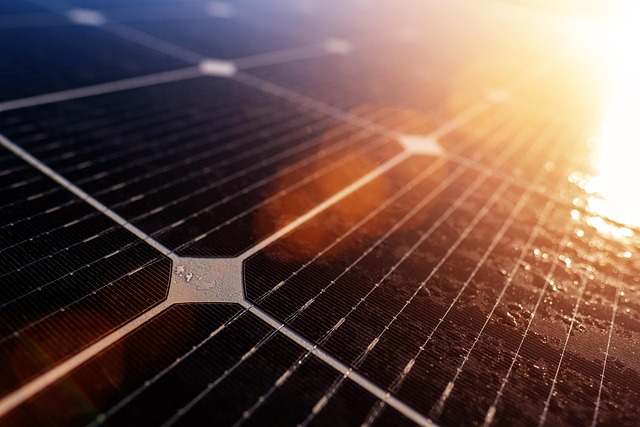
Core Evaluation Metrics for Solar Panel Performance
Efficiency remains the headline metric because it determines how effectively sunlight is converted into usable electricity. A panel with 23–25% conversion efficiency can significantly improve overall system yield per square meter. However, degradation rate—typically measured as percentage loss per year—is equally important. Panels with rates below 0.3% annually maintain higher lifetime output compared to cheaper alternatives that degrade faster. The thermal coefficient also plays a decisive role; panels with lower coefficients experience less power drop in hot climates, which is critical for installations in regions exceeding 35°C ambient temperature.
The Role of Independent Testing and Certification Bodies
Before any product earns the label “top rated,” it must pass through rigorous third-party testing under standardized conditions defined by IEC 61215 and IEC 61730 protocols. These certifications verify structural integrity, electrical safety, and long-term reliability. Laboratories simulate real-world scenarios such as humidity freeze cycles or UV exposure to predict how modules perform over decades of operation. Certification bodies like TÜV Rheinland and UL have expanded their testing frameworks to include energy yield modeling across diverse climate zones, enabling fair comparison among competing technologies.
Technological Advancements Shaping the 2026 Solar Panel Market
In 2026, technological progress has shifted from incremental gains to systemic innovation across materials science and intelligent system integration.
Innovations in Photovoltaic Materials
Next-generation silicon cells now feature passivated contact layers that reduce electron recombination losses. Meanwhile, perovskite-based tandem structures have achieved efficiencies exceeding 30% in controlled environments by stacking complementary absorption layers. Material durability has also improved through encapsulants resistant to moisture ingress and UV degradation, reducing maintenance frequency for large-scale installations.
Integration of Smart Technologies in Solar Systems
Modern solar systems increasingly embed sensors within modules to monitor temperature gradients, current flow irregularities, or shading impacts in real time. AI-driven control units analyze this data to adjust inverter settings dynamically for optimal yield. Predictive maintenance algorithms forecast potential failures before they occur. Compatibility with energy storage systems—especially lithium-iron-phosphate batteries—and grid-interactive architectures allows seamless energy management during peak demand hours.
The 3 Leading Solar Panels of 2026: Lab-Tested Insights
Independent lab tests conducted under standard test conditions (STC) highlight three models that outperform peers across multiple categories: monocrystalline efficiency leaders, hybrid perovskite-silicon innovators, and flexible thin-film modules suited for architectural integration.
Panel A: High-Efficiency Monocrystalline Module
Technical Characteristics
This panel achieves a peak efficiency rate above 24%, verified under STC benchmarks used by major certification agencies. Its anti-reflective coating enhances light capture even at low incidence angles. Structurally reinforced cell interconnections minimize microcrack propagation during thermal cycling or mechanical stress events.
Performance Analysis Under Variable Conditions
Field trials show consistent output despite rapid temperature fluctuations between morning coolness and midday heat spikes. The difference between laboratory-rated performance and actual field generation stays within ±2%, indicating strong real-world reliability—a key factor behind its ranking among top rated solar panels.
Panel B: Hybrid Perovskite-Silicon Module
Design and Construction Features
This hybrid model combines a transparent perovskite layer atop crystalline silicon wafers to extend spectral absorption range. The layered configuration increases voltage output while keeping manufacturing costs moderate due to scalable deposition processes compatible with existing silicon lines.
Durability and Longevity Assessment
Accelerated aging tests demonstrate resilience against humidity levels up to 85% RH without significant performance decline over simulated ten-year exposure cycles. Enhanced encapsulation materials protect sensitive perovskite layers from oxygen intrusion—a known challenge for earlier prototypes—making it suitable for diverse climatic regions.
Panel C: Thin-Film Advanced Technology Module
Efficiency Optimization Strategies
By integrating light-trapping textures into its substrate design, this thin-film panel captures diffuse radiation efficiently. Innovative transparent conductive oxides reduce resistive losses across large surface areas while maintaining flexibility essential for curved or lightweight applications.
Environmental Adaptability Evaluation
Its superior low-light response makes it ideal for northern latitudes or cloudy environments where direct sunlight is limited. The flexible structure supports building-integrated photovoltaics (BIPV), allowing architects greater freedom without compromising energy density or aesthetic goals.
Comparative Analysis: Interpreting the Data from Lab Reviews
Comparing these three technologies reveals trade-offs between cost efficiency, installation flexibility, and environmental performance metrics that define market competitiveness in 2026.
Key Differentiators Among the Top Rated Panels of 2026
Monocrystalline modules dominate efficiency but come at higher production costs due to pure silicon requirements. Hybrid perovskite-silicon panels bridge this gap by offering near-premium efficiency at mid-range pricing thanks to scalable fabrication methods. Thin-film options remain attractive where weight constraints or unconventional surfaces demand adaptability over raw power density. Lifecycle emissions analysis shows all three outperform older polycrystalline designs by reducing embodied carbon up to 20%.
Market Implications for Manufacturers and Installers
Manufacturers leading these innovations gain brand credibility through verified lab results rather than marketing claims alone. Installers benefit from predictable performance data when designing mixed-technology arrays tailored to local climate profiles or grid regulations. Investment trends indicate growing preference toward hybrid architectures combining high-output modules with integrated storage systems—a direction likely shaping procurement strategies beyond 2026.
FAQ
Q1: What defines a top rated solar panel in 2026?
A: It combines high conversion efficiency, low annual degradation rate, robust certification compliance, and proven field performance consistency.
Q2: Which technology achieved the highest lab-tested efficiency?
A: Hybrid perovskite-silicon tandem cells reached over 30% efficiency under controlled testing conditions reported by major research institutions.
Q3: How do smart features improve solar system reliability?
A: Embedded sensors detect anomalies early while AI algorithms adjust operations dynamically to sustain maximum output across variable weather patterns.
Q4: Are thin-film panels still relevant against crystalline competitors?
A: Yes, they excel in flexible design contexts like building façades or portable systems where lightweight construction matters more than peak wattage density.
Q5: Why are independent certifications critical?
A: They validate manufacturer claims through standardized testing procedures defined by IEC standards ensuring safety, durability, and fair market comparison worldwide.