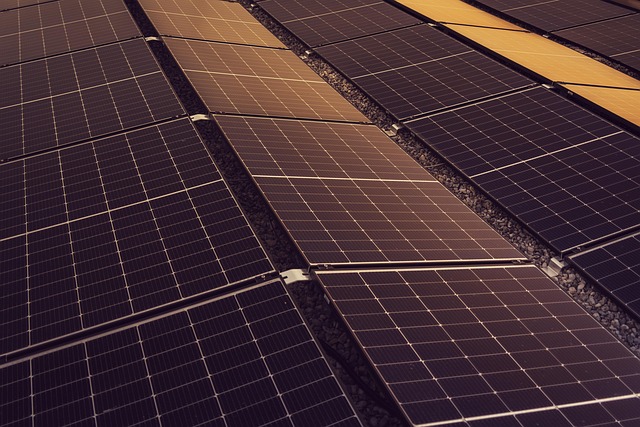

Sheep Grazing Boosts Solar Farm Efficiency
Integrating sheep grazing into utility-scale solar farms has proven to be a practical and sustainable solution for maintaining vegetation, enhancing solar panel efficiency, and improving overall site management. By replacing mechanical mowing with targeted grazing, operators reduce costs, emissions, and operational risks while promoting ecological balance. The presence of sheep supports microclimate stability beneath panels, which in turn contributes to consistent energy yield. This approach transforms solar farms from single-purpose energy sites into dynamic agrivoltaic systems that deliver both environmental and economic returns.
Integrating Grazing Systems into Utility-Scale Solar Farms
As solar installations expand across agricultural landscapes, the concept of agrivoltaics is gaining traction among developers and land managers seeking dual-use solutions that maximize productivity.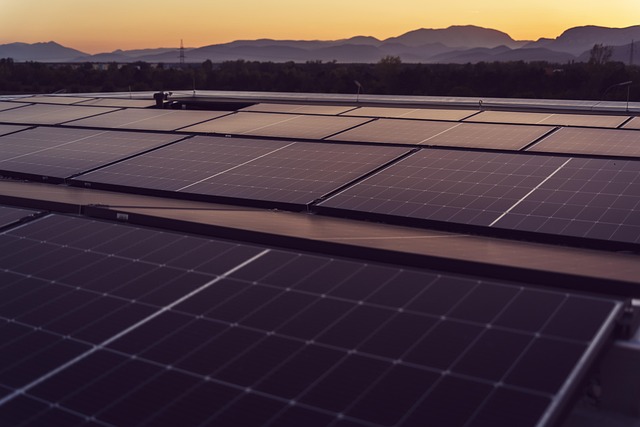
The Concept of Agrivoltaics and Its Relevance to Utility-Scale Operations
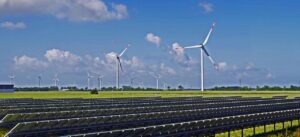
Agrivoltaic systems combine renewable energy generation with agricultural practices on the same parcel of land. In large-scale projects, this integration allows for efficient land-use optimization, ensuring that solar arrays do not displace agricultural productivity. Grazing animals under panels provide natural vegetation control while maintaining soil health. For utility-scale operators, agrivoltaics align with long-term sustainability goals by merging clean energy production with regenerative land management.
The Role of Land-Use Optimization in Large-Scale Renewable Energy Projects
Land-use optimization is central to the success of utility-scale solar developments. By integrating grazing systems, developers can achieve higher land productivity per acre without compromising energy output. This approach aligns with international renewable standards emphasizing multi-functional landscapes that support biodiversity and rural economies simultaneously.
How Grazing Integrates into Existing Solar Farm Management Frameworks
Grazing can be seamlessly incorporated into existing operational frameworks through rotational schedules and adaptive stocking rates. Sheep graze selectively around panel bases and access roads, reducing vegetation height uniformly. Their activity complements maintenance routines by lowering the frequency of mechanical interventions.
Why Sheep Are Preferred Over Other Grazing Animals
Among available livestock options, sheep have emerged as the most compatible species for solar farm integration due to their manageable size and grazing habits.
Behavioral and Physiological Traits That Make Sheep Compatible with Solar Installations
Sheep are naturally docile and prefer low-growing vegetation, making them ideal for navigating between densely packed solar arrays without damaging wiring or structures. Their compact size allows them to move easily beneath panels set at standard heights used in utility installations.
Comparison of Sheep Grazing Versus Mechanical Vegetation Control
Mechanical mowing requires fuel, labor, and frequent equipment mobilization across uneven terrain. In contrast, sheep offer continuous vegetation management at lower operational costs. They also eliminate the risk of machinery-related damage to sensitive electrical components or support frames.
Economic and Ecological Considerations Favoring Sheep in Utility-Scale Environments
From an economic standpoint, sheep grazing reduces maintenance expenses while providing secondary revenue streams through wool or meat production. Ecologically, their manure enriches soil organic matter, supporting carbon sequestration processes vital for long-term sustainability.
Mechanisms Through Which Sheep Grazing Influences Solar Panel Efficiency
The relationship between grazing activity and solar panel performance extends beyond vegetation control; it affects microclimate conditions that directly impact solar panel efficiency.
Vegetation Management and Microclimate Regulation
By keeping vegetation short, sheep prevent shading that would otherwise reduce sunlight exposure on photovoltaic surfaces. Consistent airflow across panels helps dissipate heat buildup during peak sun hours, stabilizing operating temperatures that influence conversion efficiency. Additionally, moderate ground cover maintained through grazing retains soil moisture levels beneficial for localized cooling effects beneath arrays.
Soil Health and Reflectivity Impacts on Energy Yield
Sheep movement lightly compacts topsoil while preserving its permeability, influencing reflectivity (albedo) around panels. Balanced soil structure enhances light diffusion onto lower sections of tilted modules. Increased organic content from manure deposition improves thermal regulation near the surface layer—conditions linked to stable output levels throughout seasonal cycles.
Interaction Between Ground Cover Diversity and Solar Irradiance Capture Efficiency
Diverse ground cover resulting from managed grazing supports a balanced ecosystem under panels. This vegetative diversity minimizes erosion while optimizing reflectance characteristics that contribute marginally to total irradiance capture efficiency across a large installation footprint.
Operational Benefits for Solar Farm Maintenance and Longevity
Beyond immediate performance gains, integrating sheep grazing contributes significantly to operational reliability over time.
Reduction in Mechanical Maintenance Requirements
Replacing mowing equipment with livestock reduces fuel use and mechanical wear on site infrastructure. Operators report fewer incidents of cable damage or misaligned mounts since sheep navigate terrain more gently than heavy machinery would.
Lower Risk of Mechanical Damage to Wiring or Panel Supports Compared to Machinery Use
The absence of rotating blades or vehicles within tight array corridors eliminates accidental strikes against panel edges or conduit lines—a common issue during conventional mowing cycles—thereby extending component lifespan.
Decreased Operational Downtime Due to Reduced Maintenance Interruptions
With continuous grazing maintaining consistent vegetation levels year-round, scheduled maintenance windows shrink considerably. Personnel can focus resources on system monitoring rather than repetitive fieldwork interruptions.
Enhancing Site Accessibility and Safety Through Natural Management
Well-managed grazing programs improve accessibility while mitigating safety hazards inherent in unmanaged growth environments.
Sheep Grazing Maintains Clear Access Paths Without Disturbing Infrastructure Layouts
Regular movement patterns create naturally worn trails between rows of modules. These paths remain clear for technicians conducting inspections or repairs without requiring additional clearing efforts.
Reduced Fire Hazards Due to Controlled Vegetation Levels Around Electrical Components
Keeping biomass low minimizes wildfire risks—a growing concern in arid regions hosting large photovoltaic fields—protecting both infrastructure investment and surrounding habitats from potential ignition sources.
Improved Worker Safety Through More Stable Terrain Conditions Maintained by Grazing Patterns
Evenly grazed surfaces reduce tripping hazards caused by dense weeds or uneven ground accumulation, improving overall safety conditions during routine operations or emergency responses.
Environmental and Economic Dimensions of Grazing Integration
Grazing integration extends benefits beyond farm boundaries by contributing positively to carbon reduction targets and local economies.
Carbon Footprint Reduction Through Sustainable Land Management
Replacing fossil-fueled mowers with natural grazers cuts direct emissions significantly across annual maintenance cycles. Nutrient recycling through manure deposition closes carbon loops within the site’s ecosystem framework—an outcome aligned with international decarbonization objectives such as those outlined by IEA sustainability metrics.
Economic Viability and Co-Benefits for Local Agricultural Communities
Dual-use models allow farmers to lease pasture rights within solar facilities while developers maintain power generation revenue streams. This arrangement strengthens rural economies through job creation tied to livestock care services while stabilizing long-term operational budgets via reduced maintenance expenditures.
Design Considerations for Implementing Grazing Systems in Solar Farms
Successful implementation requires thoughtful design adjustments ensuring compatibility between electrical infrastructure and animal welfare needs.
Infrastructure Adaptations for Animal Compatibility
Panel height must allow free movement beneath modules without restricting airflow or causing heat accumulation zones. Fencing designs should balance containment security with minimal interference in electrical grounding systems. Water access points must comply with both animal welfare codes and site drainage specifications outlined in IEC environmental guidelines for renewable installations.
Managing Seasonal Variability in Vegetation Growth and Grazing Demand
Vegetation growth fluctuates seasonally; therefore adaptive scheduling ensures optimal forage availability without overgrazing risks. Rotational paddock systems distribute pressure evenly across acreage while preserving root integrity essential for erosion prevention under varying climatic conditions.
Future Research Directions in Agrivoltaic Efficiency Optimization
Ongoing studies aim to quantify how specific grazing intensities correlate with measurable improvements in power stability metrics across diverse geographic regions.
Quantifying the Relationship Between Grazing Intensity and Energy Output Stability
Advanced data analytics integrating satellite imagery with on-site sensors are being developed to model interactions between biomass density control parameters and real-time power yield fluctuations—offering predictive insights critical for scaling agrivoltaic adoption globally.
Technological Innovations Supporting Integrated Solar-Livestock Systems
Emerging AI-based tools track vegetation height variations beneath modules using optical sensors linked directly to SCADA networks managing energy distribution flows. Such technologies will refine predictive maintenance cycles while maintaining optimal balance between ecological health indicators and solar panel efficiency outcomes.
FAQ
Q1: Why are sheep specifically chosen for solar farm grazing?
A: Sheep are small enough to move safely around panels without causing damage while effectively controlling grass height through selective feeding behavior suited for compact spaces between arrays.
Q2: Does sheep grazing improve solar panel efficiency?
A: Yes, by preventing shading from tall plants and moderating microclimate temperatures under panels, sheep indirectly sustain higher conversion rates linked to stable operating conditions affecting overall solar panel efficiency metrics.
Q3: How does this practice reduce maintenance costs?
A: Natural grazing replaces mechanical mowing operations requiring fuel, manpower, and heavy equipment logistics—cutting recurring expenses substantially over time while lowering downtime risks during active production cycles.
Q4: Are there environmental advantages beyond emission reduction?
A: Beyond cutting carbon emissions from machinery use, managed grazing enhances soil fertility through nutrient cycling processes supporting biodiversity within fenced ecosystems surrounding photovoltaic installations.
Q5: What future advancements could enhance agrivoltaic performance further?
A: Integration of AI-driven monitoring platforms capable of correlating livestock movement patterns with real-time power data may lead to optimized management strategies maximizing both agricultural yield potential and consistent energy output stability across seasons.