
Solar Energy Remains a Viable Alternative, but Poor Installations Pose Serious Risks
Solar energy continues to stand as one of the most promising pillars of green energy solutions. Its scalability, declining costs, and near-zero operational emissions make it central to global decarbonization strategies. Yet, poor installations have emerged as a silent threat—compromising efficiency, safety, and public confidence. The viability of solar power depends not only on technology and policy but also on execution quality across its lifecycle. As nations move toward net-zero targets, ensuring installation integrity and sustainable operation will decide whether solar remains a reliable cornerstone of the clean energy transition.
Assessing the Viability of Solar Energy in the Context of Green Energy Solutions
The global shift toward low-carbon systems has placed solar power at the heart of renewable expansion. However, its long-term viability depends on continuous innovation, strong policy backing, and responsible deployment practices that align with environmental and economic sustainability goals.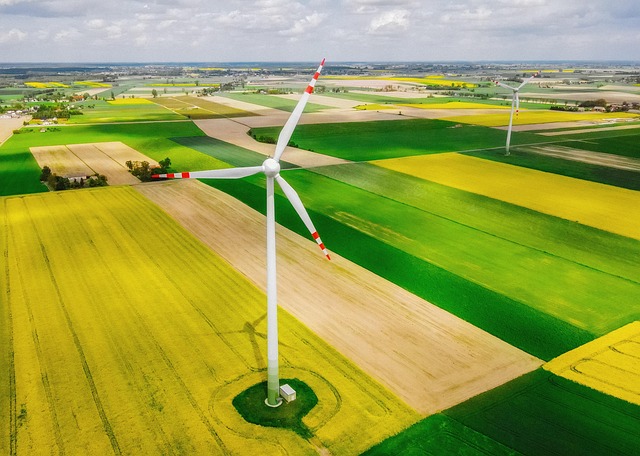
The Strategic Importance of Solar Power in Global Energy Transition
Solar energy plays a crucial role in achieving decarbonization and net-zero objectives. According to the International Energy Agency (IEA), solar photovoltaic capacity must triple by 2030 to stay aligned with the Paris Agreement’s 1.5°C pathway. Its modular nature allows integration into both centralized grids and decentralized micro-systems, making it adaptable across geographies.
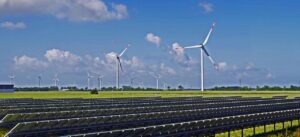
Integration with broader renewable systems enhances its reliability. Hybridization with wind or hydro reduces intermittency while maintaining grid stability. Governments worldwide are reinforcing this integration through policies such as renewable portfolio standards (RPS) and long-term procurement programs that guarantee market access for solar producers.
Policy frameworks remain instrumental. Feed-in tariffs, tax incentives, and renewable energy certificates have proven effective in accelerating adoption while encouraging private investment in research and infrastructure.
Evaluating the Economic and Environmental Sustainability of Solar Solutions
Lifecycle analysis reveals that most emissions from solar systems occur during manufacturing rather than operation. Over their 25–30-year lifespan, panels offset their embodied carbon within two to three years. Compared to fossil fuels, they present a far lower environmental footprint even when accounting for end-of-life impacts.
Economically, solar is now among the cheapest power sources globally. BloombergNEF data shows utility-scale PV costs have dropped by more than 80% since 2010 due to scale economies and technological improvements. Yet, recycling remains a growing concern as early-generation panels reach decommissioning age.
Embedding circular economy principles—such as recovering silicon wafers and aluminum frames—can preserve material value while reducing waste. Emerging recycling technologies are already recovering up to 95% of valuable materials from retired modules.
The Role of Green Energy Solutions in Enhancing Solar Efficiency
Green energy solutions extend beyond generation; they encompass smart systems that boost performance, manage variability, and reduce losses throughout the supply chain.
Technological Innovations Driving Performance Improvements
Recent advances in photovoltaic materials are transforming efficiency benchmarks. Perovskite-silicon tandem cells have achieved lab efficiencies exceeding 30%, surpassing traditional crystalline silicon panels. Bifacial modules capture sunlight from both sides, increasing yield by up to 15% depending on site conditions.
Smart grid integration further enhances utilization rates by dynamically adjusting supply based on demand signals. Real-time monitoring platforms enable operators to balance distributed generation with consumption patterns efficiently.
Artificial intelligence adds another layer of resilience through predictive maintenance analytics that anticipate inverter failures or soiling losses before they occur—minimizing downtime and extending asset life.
Hybrid Systems and Energy Storage Integration
Hybrid configurations combining solar with wind or bioenergy deliver consistent output profiles that compensate for daily or seasonal fluctuations. This approach is increasingly common in regions where grid infrastructure remains underdeveloped.
Battery storage technologies—particularly lithium-ion and emerging solid-state designs—are improving grid resilience by enabling peak shaving and frequency regulation services. Large-scale battery farms now accompany many new solar projects as standard design practice.
Hydrogen also shows potential as an energy carrier for surplus solar production. Electrolysis driven by excess PV output can generate green hydrogen for later use in industry or transport sectors, effectively turning intermittent electricity into storable chemical energy.
Challenges Undermining the Long-Term Viability of Solar Installations
Despite technological progress, installation quality remains an Achilles’ heel for many projects. Poor workmanship not only reduces efficiency but also introduces safety hazards that can erode public trust in renewable technologies.
Technical Risks Associated with Poor Installations
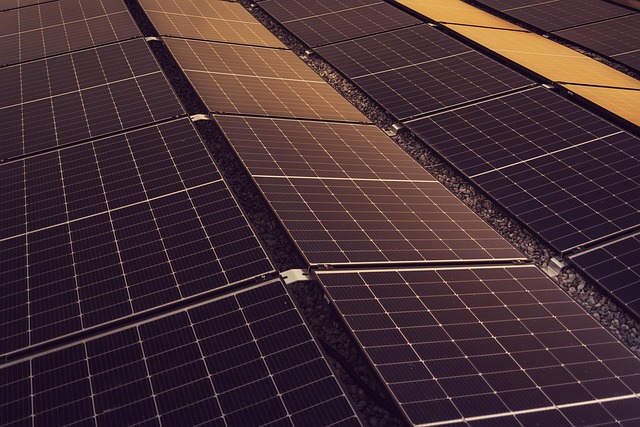
Improper mounting structures can cause misalignment or shading losses that reduce system output significantly over time. Faulty wiring or inverter mismatches often lead to electrical inefficiencies or even complete circuit failures under load stress.
Safety risks such as overheating connectors or ground faults may escalate into fires if undetected—issues frequently traced back to non-compliant installation practices rather than equipment defects.
Accelerated degradation is another hidden cost: panels subjected to mechanical stress or moisture ingress during installation deteriorate faster than their rated lifespan predicts.
Quality Control and Certification Standards in Solar Deployment
International standards like IEC 61215 (design qualification) and IEC 61730 (safety requirements) define rigorous testing protocols for photovoltaic modules under simulated environmental conditions. Compliance ensures durability against thermal cycling, humidity freeze, and mechanical stress factors common in field environments.
Accredited installers play a critical role by adhering to these standards during assembly and commissioning stages. Regular inspection protocols help maintain consistency across projects while identifying deviations early.
Unregulated installations harm market credibility by increasing failure rates and maintenance costs—ultimately discouraging investors wary of performance uncertainty in emerging markets.
Policy, Regulation, and Market Mechanisms Supporting Sustainable Solar Adoption
Sustaining growth requires coherent policies that balance incentives with accountability while fostering innovation through collaborative financing models.
Government Incentives and Compliance Frameworks
Tax credits such as investment-based deductions have historically driven adoption surges in mature markets like the United States or Europe. Feed-in tariffs guarantee fixed returns for producers feeding clean electricity into national grids, stabilizing revenue streams during payback periods.
Regulatory oversight ensures traceability across supply chains—from raw material sourcing to module certification—thereby strengthening consumer protection frameworks within green energy solutions ecosystems.
Public-private partnerships continue to fund R&D initiatives focused on next-generation materials, storage technologies, and digital control systems that enhance overall system efficiency.
Financing Models Encouraging Responsible Deployment
Power purchase agreements (PPAs) remain a cornerstone financing tool for large-scale installations by securing long-term buyers at predictable prices. Green bonds offer institutional investors exposure to environmentally aligned assets while diversifying funding sources beyond traditional bank loans.
Insurance-backed performance guarantees mitigate technical risk exposure for financiers concerned about degradation rates or equipment reliability over decades-long lifecycles.
Environmental, Social, and Governance (ESG) criteria increasingly shape capital allocation decisions; projects demonstrating measurable sustainability metrics attract preferential financing terms from global asset managers seeking climate-aligned portfolios.
Future Directions for Ensuring Solar Energy Remains a Viable Alternative
Maintaining momentum requires continued innovation alongside robust governance structures capable of adapting to evolving technological landscapes and market dynamics.
Research Priorities for Next-Generation Solar Technologies
Future research focuses on developing high-efficiency cells using fewer critical materials like silver or indium to reduce supply chain vulnerabilities. Nanostructured coatings promise improved light absorption properties while enhancing surface durability against abrasion or UV exposure.
Sustainable manufacturing processes powered by renewable electricity can further cut embodied emissions within panel production cycles—closing the loop between generation technology and its environmental impact profile.
Building a Resilient Ecosystem Around Green Energy Solutions
A resilient ecosystem depends on collaboration among policymakers setting clear standards, researchers pushing material science boundaries, and industry stakeholders translating innovations into scalable products ready for deployment at commercial levels.
Workforce training programs addressing skill shortages among installers are essential; even minor errors during assembly can diminish system performance dramatically over time.
Data-driven monitoring frameworks enable continuous optimization through remote diagnostics that track degradation trends across thousands of sites simultaneously—transforming maintenance from reactive repair into proactive management strategy grounded in empirical evidence rather than intuition alone.
FAQ
Q1: Why are poor solar installations considered risky?
A: Faulty installations can cause reduced efficiency, electrical faults, overheating issues, or even fires due to improper wiring or structural errors that compromise safety standards over time.
Q2: How do international standards improve solar reliability?
A: Standards like IEC 61215/61730 establish rigorous testing requirements ensuring panels withstand environmental stresses such as heat cycles or mechanical loads without premature failure.
Q3: What role does recycling play in solar sustainability?
A: Recycling recovers valuable materials like silicon wafers and aluminum frames from retired panels while reducing landfill waste—a key step toward circular economy goals within green energy solutions frameworks.
Q4: How does hybridization strengthen solar power systems?
A: Combining solar with wind or hydro balances generation variability across timeframes; storage components then stabilize delivery during low-sunlight hours enhancing overall grid dependability.
Q5: Which financial instruments support sustainable deployment?
A: Instruments such as PPAs and green bonds provide stable funding channels; coupled with ESG-focused investments they promote responsible growth aligned with climate objectives worldwide.