
Desperation Drives Syrians to Rooftop Solar, but Fossil Fuels Still Rule the Grid
Years of conflict and economic isolation have pushed Syrians to improvise their energy future. Rooftop solar panels now light homes once dependent on erratic grid power, yet fossil fuels still dominate national policy and supply. The shift toward solar is driven by necessity rather than environmental ambition. While green energy provides short-term relief, it cannot alone rebuild Syria’s fractured energy system without institutional reform and international cooperation.
The Shift Toward Rooftop Solar in Syria
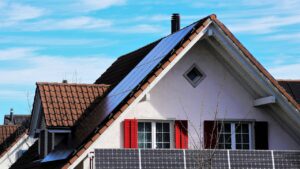
The rise of rooftop solar across Syrian towns and villages reveals both ingenuity and desperation. With state power plants damaged and fuel scarce, households are turning to sunlight as their most reliable resource.
Drivers Behind the Surge in Solar Adoption
Chronic electricity shortages have become a defining feature of post-war Syria. Many neighborhoods receive only a few hours of grid power daily, forcing families to find alternatives. Economic sanctions have restricted access to fuel imports, while infrastructure damage has crippled domestic production capacity. These conditions made small solar systems not just attractive but essential for survival. Falling global panel prices and local craftsmanship have further encouraged adoption, allowing residents to assemble systems from imported or refurbished parts at lower costs.
The Scale and Nature of Rooftop Installations
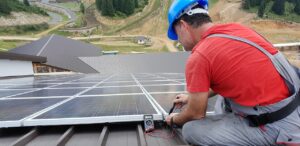
Most rooftop systems remain modest—often two or three panels paired with basic batteries—to power lighting, phone charging, or small appliances. Informal markets thrive in border regions where traders import components through Lebanon or Iraq. Without standardized regulation, installation quality varies widely: some setups meet international safety norms; others rely on improvised wiring that risks overloads or fires. This unregulated expansion mirrors the broader fragmentation of Syria’s economy.
Evaluating Green Energy as a Sustainable Solution
While rooftop solar has brought immediate relief, its long-term sustainability remains uncertain. Technical constraints and economic realities limit how far this grassroots movement can go.
Technical Feasibility in the Syrian Context
Syria enjoys abundant sunlight for most of the year, yet seasonal variation affects output reliability. Winter months bring shorter days and frequent dust accumulation on panels that reduces efficiency. The lack of grid integration prevents households from selling excess electricity back into the system, capping potential growth. Battery storage remains a weak link—costly to replace and prone to failure under high temperatures or poor maintenance conditions.
Economic Viability for Households and Communities
The upfront cost of even a small solar kit can exceed several months’ wages for an average family. To manage expenses, communities often pool resources or rely on informal credit networks run by local merchants. Some NGOs have distributed subsidized equipment in rural areas, but coverage is limited. Maintenance poses another challenge: without trained technicians or spare parts, many systems degrade quickly, reducing their cost-effectiveness over time.
The Continued Dominance of Fossil Fuels in Syria’s Energy Mix
Despite visible growth in rooftop solar use, fossil fuels continue to define Syria’s energy landscape. Oil and gas extraction remain central to both revenue generation and political control.
Structural Dependence on Conventional Energy Sources
Government priorities still revolve around restoring oil fields lost during conflict rather than scaling renewable capacity. Even damaged refineries receive rehabilitation funding ahead of any large-scale green projects. Subsidies keep diesel prices artificially low for favored sectors, reinforcing dependency on conventional fuels and discouraging investment in alternatives.
Challenges in Transitioning Away from Fossil Fuels
Institutional weakness stands as a major barrier to renewable integration. Energy governance is fragmented among competing authorities with limited coordination mechanisms. Security concerns deter foreign investors who might otherwise fund utility-scale solar farms or wind projects. Without stable governance structures, pilot projects remain localized experiments rather than steps toward systemic transition.
Environmental and Social Implications of the Solar Movement
The spread of rooftop solar has reshaped daily life across Syria’s cities and countryside alike. It brings environmental gains but also new risks that require management.
Environmental Benefits and Limitations of Decentralized Solar Use
Replacing diesel generators with photovoltaic systems has reduced local air pollution—especially harmful particulate emissions common in dense urban neighborhoods. Yet improper disposal of lead-acid batteries introduces new hazards; leaking chemicals can contaminate soil and groundwater if recycling systems are absent. Moreover, inconsistent component quality may lead to inefficient installations that waste resources instead of conserving them.
Social Adaptation and Energy Resilience Among Syrians
Solar adoption has improved living standards by powering fridges for medicine storage or enabling students to study after dark. It enhances household self-sufficiency amid unreliable grid supply, fostering resilience at the community level. Still, unequal access persists: wealthier families can afford larger arrays with better batteries, while poorer households rely on minimal setups or none at all—widening existing social divides even within the same neighborhood.
Policy, Regulation, and the Future of Green Energy in Syria
The policy environment for renewables remains underdeveloped but fluid. Local experimentation coexists with national inertia—a mix that both enables innovation and limits scale.
Current Policy Landscape for Renewable Energy Development
Syria lacks a unified national renewable energy strategy capable of coordinating public investment or private participation. Some municipal councils informally approve rooftop installations without clear technical standards or safety codes. International organizations occasionally offer technical training or feasibility studies but operate under tight political restrictions that limit impact beyond pilot zones.
Pathways Toward a More Integrated Green Energy Framework
To move beyond fragmented efforts, several structural measures are needed.
Strengthening Institutional Capacity
Developing technical expertise through structured training programs could professionalize installers and regulators alike. Partnerships with regional universities or international agencies could help create certification tracks aligned with IEC standards for photovoltaic safety.
Encouraging Public–Private Partnerships
Local entrepreneurs already drive much of Syria’s informal solar trade; formalizing their role through transparent licensing could attract donor support for demonstration projects combining private initiative with humanitarian funding streams.
Enhancing Grid Infrastructure for Renewable Integration
Modernizing transmission lines would allow decentralized producers to feed surplus electricity into local networks—a prerequisite for scaling green energy beyond individual rooftops.
Assessing Whether Green Energy Can Be a Real Solution for Syria’s Crisis Context?
Green energy offers hope but not salvation on its own. Its role must be balanced between immediate relief needs and long-term reform goals.
Balancing Immediate Relief with Long-Term Sustainability Goals
Rooftop solar delivers quick benefits—light at night, power for clinics—but it cannot substitute comprehensive sector reform involving fuel pricing transparency and grid modernization. A sustainable transition requires governance capable of managing both centralized utilities and decentralized producers under coherent regulation.
The Role of International Cooperation in Supporting Renewable Transition
Cross-border collaboration could stabilize supply chains disrupted by sanctions by allowing vetted imports through humanitarian channels. Access to global climate finance mechanisms such as those managed by IRENA or the Green Climate Fund might provide capital injections if political conditions improve enough to guarantee accountability for fund use.
FAQ
Q1: Why is rooftop solar growing so fast in Syria?
A: Chronic electricity shortages and high fuel costs have made rooftop solar an affordable alternative despite limited government support.
Q2: Are these small systems technically reliable?
A: They work well under strong sunlight but face performance drops during winter months due to dust accumulation and weak battery storage capacity.
Q3: What prevents large-scale renewable projects?
A: Security risks, weak institutions, and lack of investor confidence hinder development beyond small community-level initiatives.
Q4: How does green energy affect local environments?
A: It reduces generator emissions but creates new waste challenges from used batteries if recycling systems are unavailable.
Q5: Could international aid accelerate Syria’s renewable shift?
A: Yes, targeted technical assistance combined with stable political frameworks could expand access while ensuring compliance with global sustainability standards like those promoted by IEA and IRENA guidelines.