
Central Asia’s Green Energy Transition and Renewable Potential
Central Asia’s renewable energy landscape is shifting fast. Once almost entirely dependent on fossil fuels, the region now sees renewables as a strategic pillar for energy security and economic modernization. Kazakhstan leads with large-scale solar and wind projects, Uzbekistan accelerates private investment in clean power, while Kyrgyzstan and Tajikistan continue to harness hydropower potential. Even Turkmenistan, long reliant on hydrocarbons, is exploring its solar future. Together, these transitions define how the region’s energy systems are being restructured toward sustainability.
Overview of Central Asia’s Renewable Energy Landscape
The region’s renewable transformation is not uniform but follows a shared logic: diversify away from fossil dependence while meeting growing domestic demand and export ambitions.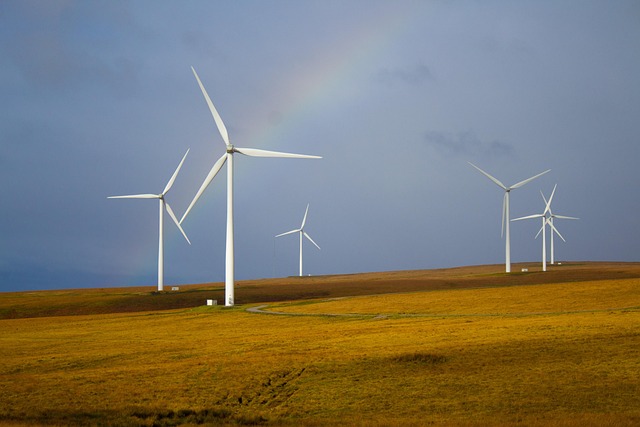
Regional Energy Structure and Transition Dynamics
Central Asia’s current energy mix remains dominated by natural gas, oil, and coal, accounting for most primary consumption in Kazakhstan, Uzbekistan, and Turkmenistan. Hydropower dominates in Kyrgyzstan and Tajikistan. Yet across the region, renewables are gaining ground through national strategies targeting 10–30% renewable shares by 2030. The shift is driven by three forces—policy reform to attract private capital, falling technology costs, and pressure to meet international climate pledges. Wind corridors along Kazakhstan’s steppes and Uzbekistan’s desert zones illustrate how geography supports this transition.
Strategic Importance of Renewable Energy in Central Asia
Renewable energy enhances regional energy independence by reducing reliance on imported fuels and stabilizing supply during seasonal fluctuations. It also aligns with each country’s Nationally Determined Contributions under the Paris Agreement, linking domestic policy with global climate goals. Moreover, regional power integration initiatives—like planned interconnections between Kazakhstan, Uzbekistan, and Kyrgyzstan—could allow surplus renewable electricity to flow across borders, strengthening resilience against demand peaks.
Kazakhstan: Advancing Toward a Diversified Renewable Portfolio
Kazakhstan stands at the forefront of Central Asia’s green transformation due to its scale of projects and clear regulatory frameworks supporting investors.
National Policies and Strategic Frameworks for Renewable Development
The government targets 15% renewable electricity generation by 2030 under its “Green Economy Concept.” Incentive mechanisms such as feed-in tariffs have gradually transitioned to competitive auctions that attract both domestic developers and international investors. Institutions like the Financial Settlement Center for Renewable Energy Purchase play a key role in guaranteeing off-take agreements. This structure has encouraged private sector participation while maintaining transparency in pricing.
Key Renewable Energy Projects and Infrastructure Expansion
Kazakhstan hosts some of the largest renewable installations in the region—the 100 MW Astana Solar Plant and the Ereymentau Wind Farm stand out as early milestones. Southern provinces like Zhambyl focus on solar development due to high irradiation levels, while northern regions invest more in wind capacity. Grid integration remains a priority; modernization efforts include new substations enabling better transmission from remote generation sites to industrial centers.
Challenges in Scaling Up Renewable Deployment
Despite progress, challenges persist. Grid congestion limits expansion in windy areas where transmission infrastructure lags behind project development. Financing remains difficult for mid-sized developers lacking sovereign guarantees or access to concessional loans from international banks. Another issue is policy consistency—frequent tariff adjustments discourage long-term planning by investors seeking stable returns.
Uzbekistan: Accelerating Solar and Wind Power Investments
Uzbekistan has become one of Central Asia’s most dynamic renewable markets through bold reforms aimed at attracting foreign capital into utility-scale projects.
Policy Reforms Driving Renewable Energy Growth
The government aims for 25% renewable capacity by 2030 under its Energy Strategy 2030 plan. Public-private partnerships (PPPs) have been central to this effort, with several solar tenders awarded through transparent competitive bidding supported by international financial institutions. Regulatory reforms have simplified licensing procedures and introduced standardized contracts that reduce investor risk exposure.
Expansion of Solar Power Infrastructure
Uzbekistan’s solar program includes major facilities such as the Navoi Solar Plant (100 MW) financed with support from multilateral development banks. Additional projects near Samarkand and Bukhara are underway with cumulative capacity exceeding 1 GW. These developments benefit from advanced photovoltaic technologies designed for high-temperature performance typical of arid climates—a crucial adaptation improving output efficiency year-round.
Wind Energy Development Along Strategic Corridors
Wind mapping studies have identified strong potential zones near Karakalpakstan and Navoi regions where average wind speeds exceed 7 m/s. Global developers are constructing flagship projects like the Zarafshan Wind Farm backed by international financing partners. However, integrating new capacity requires modernizing aging transmission networks that were originally built around thermal generation nodes rather than distributed renewables.
Kyrgyzstan: Leveraging Hydropower Heritage for Green Transition
Kyrgyzstan already generates nearly all its electricity from hydropower but now seeks diversification to strengthen energy reliability during dry seasons.
Hydropower as a Foundation for Renewable Dominance
Hydropower has long defined Kyrgyzstan’s energy identity. Facilities along the Naryn River produce over 90% of national electricity output. Modernization programs supported by development agencies aim to improve turbine efficiency at existing plants like Toktogul Dam while reducing water losses through upgraded control systems. Small hydropower stations are also being promoted to electrify rural areas disconnected from main grids.
Emerging Interest in Diversified Renewables Beyond Hydropower
Pilot solar installations around Issyk-Kul Lake demonstrate growing interest in hybrid systems combining hydro with solar or wind inputs. This diversification could help balance seasonal variations when river flows decline during winter months. Additionally, surplus hydropower during summer offers potential for export through regional interconnectors linking Kyrgyzstan with Kazakhstan or Uzbekistan.
Tajikistan: Expanding Hydroelectric Capacity with Regional Integration Goals
Tajikistan continues expanding large hydro infrastructure while exploring complementary renewables to stabilize supply throughout the year.
Large Hydroelectric Projects Underway or Planned
The Rogun Dam remains Tajikistan’s flagship project expected to add several gigawatts once fully operational. Construction progress has accelerated despite environmental scrutiny related to downstream water management impacts on neighboring states. Authorities emphasize improved design standards minimizing ecological disruption while maximizing storage capacity for cross-seasonal regulation.
Opportunities for Diversification into Solar and Wind Energy Sources
Beyond hydro dominance, Tajikistan possesses strong solar irradiation averaging over 1,500 kWh/m² annually across much of its territory—a promising base for decentralized photovoltaic deployment in remote valleys. Feasibility studies also indicate viable wind corridors along mountain passes suitable for small-scale turbines supplying isolated communities or supplementing grid stability during peak demand periods.
Turkmenistan: Exploring Early Steps Toward Renewable Adoption
Turkmenistan remains early in its renewable journey yet signals increasing interest in diversifying beyond hydrocarbons amid fluctuating gas export revenues.
Current Status of Renewable Initiatives in an Oil-Rich Economy
While oil and gas still dominate national exports, pilot solar installations have emerged near Ashgabat testing photovoltaic performance under desert conditions exceeding 45°C ambient temperatures. Government programs encourage research partnerships focusing on local component manufacturing as part of broader industrial diversification efforts tied to sustainable development objectives.
Potential Pathways for Future Green Energy Expansion
With vast uninhabited land areas receiving intense sunlight year-round, Turkmenistan could host utility-scale solar farms supplying both domestic consumption centers and export-oriented hydrogen production facilities in the long term. International cooperation—particularly technology transfer agreements—will be essential to accelerate this shift given limited internal expertise within renewable engineering sectors today.
Comparative Analysis: Which Country Leads the Region’s Green Transition?
Comparing progress reveals distinct trajectories shaped by resource endowment, institutional maturity, and investor appetite rather than a single leader emerging uncontested.
Evaluating Installed Capacity, Policy Frameworks, and Investment Flows
Kazakhstan leads in installed non-hydro renewable capacity exceeding 2 GW mainly from wind projects; Uzbekistan follows closely due to rapid scaling via PPP models attracting billions in foreign direct investment commitments since 2019. Kyrgyzstan retains dominance through legacy hydropower though less diversified technologically compared with its neighbors.
Regional Cooperation Opportunities to Strengthen the Transition
Regional power trade agreements under discussion could allow flexible balancing between surplus producers like Kyrgyzstan during wet seasons and deficit countries such as Uzbekistan during droughts. Shared transmission upgrades would lower overall costs while stabilizing intermittent generation patterns across interconnected grids—an approach already endorsed by multilateral development institutions supporting cross-border infrastructure studies.
Outlook on Central Asia’s Position in Global Renewable Trends
If current trajectories hold, Central Asia could double its renewable share within a decade positioning itself as a mid-tier emerging market cluster within global clean energy rankings tracked by IRENA data sets. Continued reforms ensuring transparent procurement processes will determine whether these ambitions translate into sustainable growth rather than short-lived project cycles driven purely by donor finance availability.
FAQ
Q1: Which Central Asian country currently has the largest renewable capacity?
A: Kazakhstan holds the largest non-hydro renewable capacity due mainly to extensive wind projects across its northern regions.
Q2: What role does hydropower play across Central Asia?
A: Hydropower dominates electricity generation in Kyrgyzstan and Tajikistan providing over 90% of their total output but less so elsewhere where fossil fuels remain prevalent.
Q3: How are foreign investors participating in Uzbekistan’s green transition?
A: Through public-private partnerships structured via competitive tenders supported by international financial institutions offering risk mitigation instruments.
Q4: Why is grid modernization critical for regional integration?
A: Aging Soviet-era networks cannot handle variable renewable inputs efficiently making upgrades essential for cross-border trade reliability.
Q5: What future opportunities exist for Turkmenistan’s renewable sector?
A: Large-scale solar deployment combined with potential hydrogen production could redefine its export portfolio once technical capacity expands through international collaboration.