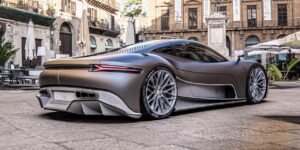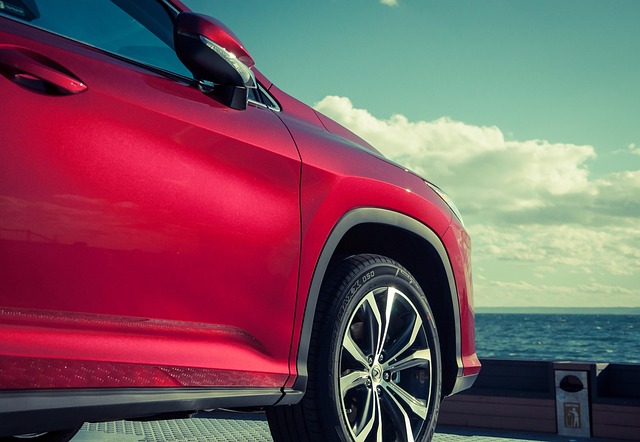

2027 Lexus TZ Interior And Exterior Picture Gallery
The 2027 Lexus TZ represents a pivotal step in the brand’s electric evolution. Drawing from the Lexus EV concept, it merges aerodynamic purity with human-centered luxury. The TZ’s design reflects a transition where form meets advanced electrification, reshaping both aesthetics and performance. Its cabin integrates sustainable materials and digital intelligence, while the exterior channels aerodynamic precision. This model not only previews Lexus’ design trajectory but also signals how future luxury vehicles will blend serenity, sustainability, and cutting-edge technology into one cohesive identity.
The Lexus EV as a Blueprint for the 2027 Lexus TZ
The upcoming TZ inherits its design DNA directly from the Lexus EV concept, which redefined how electric vehicles should express performance and refinement. This influence extends beyond styling—it dictates proportion, architecture, and even emotional appeal.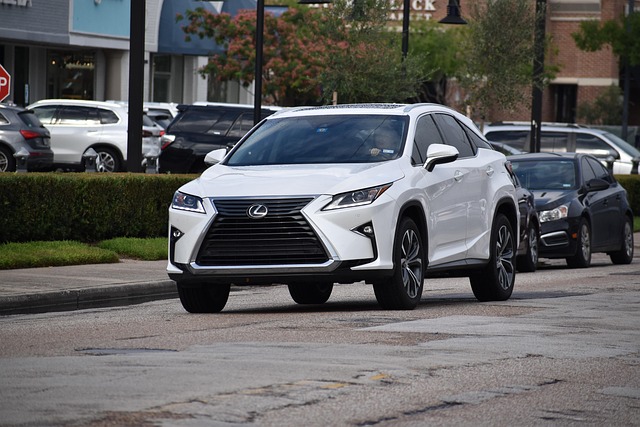
Evolution of Lexus’ Electric Design Philosophy
The Lexus EV introduced a new design language emphasizing aerodynamic efficiency and minimalism. Its spindle body architecture replaces decorative forms with functional sculpting that improves airflow and stability. The balanced stance of the EV concept provides a preview of how the 2027 TZ will merge athletic proportions with executive presence. This shift marks Lexus’ move toward an era where luxury is expressed through precision rather than ornamentation.
Influence of Electrification on Vehicle Architecture
Electrification has fundamentally altered vehicle structure. Battery placement along the floor lowers the center of gravity and enhances handling response. Flat-floor platforms free up interior space, allowing for flexible seating arrangements and improved legroom—key attributes for a grand touring SUV like the TZ. Reinforced chassis sections increase rigidity, improving both safety performance and steering accuracy at high speeds.
Exterior Design Cues Derived from the Lexus EV
The TZ’s exterior embodies lessons learned from the Lexus EV prototype. Each surface serves a purpose: to reduce drag, enhance range, or visually communicate power.
Aerodynamic Sculpting and Form Language
Smooth, continuous panels define the TZ’s bodywork. These surfaces minimize turbulence while maintaining visual energy under changing light conditions. Active aerodynamic components—such as adaptive spoilers—adjust in real time to optimize airflow without disrupting visual harmony. The closed grille at the front eliminates unnecessary openings, symbolizing full commitment to electrification.
Lighting Signatures and Visual Identity
Lighting has become central to brand identity in modern automotive design. Blade-style LED strips form a signature line across the front fascia, creating instant recognition even at night. Sequential illumination patterns add motion to static elements, conveying sophistication through rhythm rather than excess brightness. At the rear, horizontal light bars emphasize width and stability while projecting a futuristic stance that aligns with Lexus’ evolving aesthetic direction.
Interior Design Evolution in the 2027 Lexus TZ
Inside, the 2027 Lexus TZ continues this philosophy of purposeful simplicity. Every element supports driver focus while surrounding occupants with quiet luxury.
Human-Centered Cabin Philosophy
Lexus’ Tazuna cockpit concept centers around intuitive control placement so drivers can interact without distraction. The layout encourages engagement by aligning key functions within natural reach zones. Ergonomic refinement ensures long-distance comfort while retaining sporty posture integrity. Materials are selected not only for tactile quality but also for environmental responsibility—reflecting an eco-luxury mindset consistent with modern expectations.
Digital Integration and Interface Design
Digital systems dominate yet remain unobtrusive. A panoramic display stretches across the dashboard combining infotainment, navigation, and performance data into one seamless interface. Haptic feedback replaces traditional switches for cleaner surfaces that still provide tactile confirmation during operation. AI-driven personalization automatically adjusts lighting tone, temperature, and seat position based on driver behavior patterns—a subtle but meaningful evolution in user experience.
Material Innovation and Sustainability Direction
Lexus positions sustainability as integral to craftsmanship rather than an afterthought in engineering.
Use of Recycled and Bio-Based Materials
Plant-based composites now feature prominently throughout cabin trim panels, reducing overall carbon footprint without compromising premium texture or durability. Lightweight recycled aluminum contributes to structural strength while lowering total mass for improved range efficiency. Vegan leather alternatives meet growing global demand for cruelty-free materials yet maintain softness expected from flagship models.
Energy Efficiency Through Lightweight Engineering
Advanced carbon-fiber reinforcements strategically placed within body panels achieve high strength-to-weight ratios critical for electric performance vehicles. By reducing unsprung mass, suspension response becomes more precise while extending driving range through energy conservation—a practical expression of efficiency meeting craftsmanship.
Performance Aesthetics: Merging Form with Function in the TZ Lineup
Performance cues are subtly integrated into every contour of the 2027 TZ rather than being overtly displayed.
Dynamic Proportions Reflecting Electrified Performance Goals
Battery integration beneath the cabin floor achieves a low center of gravity that defines both stance and handling balance. Wider tracks hint at enhanced cornering stability while shorter overhangs improve maneuverability in urban settings without sacrificing passenger space—a rare equilibrium between agility and comfort.
Visual Communication of Powertrain Capabilities
Functional detailing around vents and diffusers discreetly channels air toward cooling systems managing battery temperature under load conditions. Sculpted bodylines trace torque flow visually from front to rear wheels—a design language that communicates motion even when stationary.
Future Outlook: How the Lexus EV Shapes Brand Identity Beyond 2027
The influence of today’s Lexus EV extends far beyond one model cycle; it establishes principles guiding all future electrified products under the brand umbrella.
Redefining Luxury Through Electrified Design Principles
Luxury transitions from mechanical spectacle toward digital serenity where silence becomes an essential component of comfort perception. Materials interact softly with ambient lighting; power delivery feels effortless rather than aggressive—qualities defining next-generation refinement philosophies across global markets.
Anticipated Technological Continuity Across Future Models
Lexus’ modular electric platforms allow scalability across sedans, SUVs, and coupes ensuring unified aesthetic logic throughout its lineup. Intelligent connectivity links each model within an ecosystem offering consistent interface experiences regardless of segment—a hallmark of cohesive brand evolution moving into 2030s mobility landscapes.
FAQ
Q1: What inspired the exterior styling of the 2027 Lexus TZ?
A: It draws heavily from the original Lexus EV concept which emphasized aerodynamic purity and functional sculpting over decorative elements.
Q2: How does battery placement affect driving dynamics?
A: Positioning batteries low within the chassis lowers center of gravity improving stability during cornering while enhancing ride comfort by evenly distributing weight.
Q3: What sustainable materials are used inside?
A: The interior uses plant-based composites, recycled metals, and vegan leather alternatives designed to maintain premium tactility with reduced environmental impact.
Q4: Does the 2027 TZ include advanced digital interfaces?
A: Yes, it features panoramic displays integrating multiple functions alongside haptic controls providing intuitive interaction without cluttered physical buttons.
Q5: How does this model reflect future Lexus direction?
A: The TZ embodies principles that will define upcoming models—modular architecture, serene electrified luxury, and cohesive digital ecosystems across all segments.