
In L.A., $750 a Month to Live in a Backyard Storage Unit
Los Angeles has become a testing ground for unconventional housing. With average rents exceeding the national median by more than 60%, many residents are turning to improvised solutions such as backyard sheds or even car storage units. Paying $750 per month for a converted storage unit might sound extreme, yet it reflects a deeper urban reality: affordability gaps and zoning constraints have made creative living arrangements not just desirable but necessary. The city’s housing market now mirrors its innovation culture—resourceful, rule-bending, and often existing in legal gray zones.
The Growing Appeal of Alternative Living Spaces in Los Angeles
The shift toward nontraditional housing in Los Angeles is not merely aesthetic; it’s structural. Economic strain, coupled with limited land availability, has pushed residents to explore every possible square foot of livable space.
Economic Pressures Driving Nontraditional Housing Options
Rising rent and stagnant wages have created a perfect storm for alternative living. Many Angelenos are priced out of conventional apartments and instead convert storage sheds into micro-homes or live inside vehicles parked on private lots. These setups can reduce monthly expenses by half compared to traditional leases. Vehicle-based accommodations and backyard conversions illustrate how necessity drives innovation when formal housing becomes inaccessible. Urban density compounds the issue—zoning laws restrict new developments while demand keeps growing, pushing people toward makeshift solutions.
The Role of Urban Policy in Shaping Housing Alternatives
Local policy plays an outsized role in determining which forms of alternative housing can legally exist. City ordinances dictate whether residents can occupy nonresidential structures like garages or storage units. For instance, Los Angeles’ Accessory Dwelling Unit (ADU) regulations encourage small-scale housing but stop short of legitimizing informal conversions. The result is a fragmented landscape where some neighborhoods tolerate micro-living while others enforce strict eviction measures. Infrastructure access—plumbing, power, sanitation—depends heavily on city planning decisions that often lag behind lived realities.
Understanding Car Storage Units as Potential Living Spaces
As conventional rental options shrink, “car storage units near me” has become a surprisingly common search phrase among cost-conscious Angelenos exploring creative survival strategies.
Defining the Concept of Car Storage Units
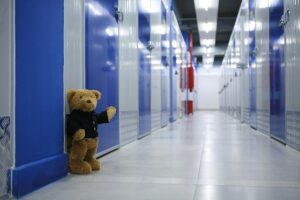
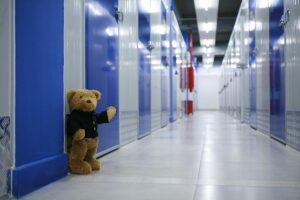
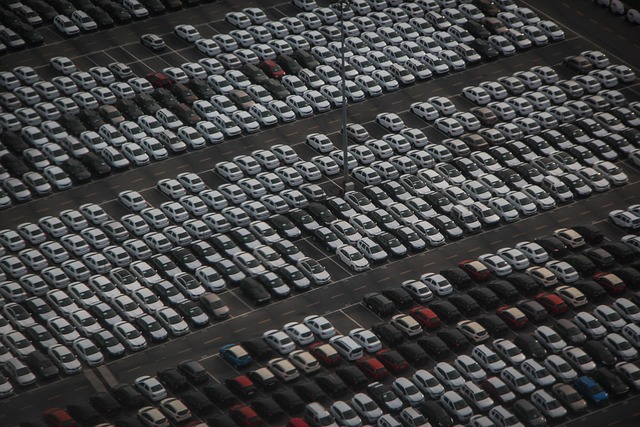
Car storage units are facilities built primarily for vehicle protection rather than habitation. They range from open-air lots with minimal security to fully enclosed, climate-controlled spaces featuring gated entry and surveillance systems. Tenants usually rent them short-term for vehicle storage or hobby projects, not residential occupancy. Despite their convenience and lower price point, they lack essential amenities such as plumbing or ventilation that would make them suitable homes.
Evaluating the Physical Viability for Residential Conversion
Converting these spaces into living quarters introduces serious challenges. Poor insulation leads to temperature extremes; limited airflow raises health risks from mold or exhaust fumes; and absent plumbing or electrical wiring makes daily life impractical. Even minor modifications—adding outlets or portable toilets—can violate lease terms or fire safety codes. From an engineering standpoint, retrofitting such units for habitation would require structural upgrades beyond their intended design load or fire resistance standards.
Comparing “Car Storage Units Near Me” to Backyard Storage Unit Living
Both car storage units and backyard sheds appeal to those seeking affordability without homelessness. Yet they differ sharply in cost structure, accessibility, and legal standing.
Cost Analysis Between Both Options
Renting a car storage unit typically costs between $150 and $400 monthly depending on size and location, far below Los Angeles apartment averages exceeding $2,000. By contrast, converted backyard sheds marketed informally as “micro studios” often command around $750 per month due to added electricity access or basic furnishings. However, hidden costs arise: portable air-conditioning units increase power bills; insulation materials add maintenance expenses; and landlords sometimes charge extra for shared restroom access.
Accessibility and Location Considerations
Backyard units tend to sit within residential zones close to transit lines and grocery stores, offering better daily convenience than industrial-area storage lots where car units cluster. Most commercial storage operators explicitly ban overnight stays or continuous occupancy due to liability concerns. This restriction forces residents attempting stealth habitation into transient patterns—arriving late at night and leaving before dawn—to avoid detection.
Legal and Ethical Implications of Alternative Living Arrangements
The blurred boundary between creative adaptation and code violation defines much of Los Angeles’ housing underground economy.
Zoning Regulations and Code Enforcement Challenges
Zoning laws classify commercial storage facilities as nonresidential zones where human occupancy is prohibited except for staff operations. Enforcement varies by district: some inspectors overlook violations until complaints arise; others impose immediate fines or terminate leases upon discovery of habitation equipment like bedding or cooking devices. Residents risk eviction without recourse since tenancy protections rarely extend to illegal dwellings.
Ethical Dimensions of Substandard Housing Practices
Ethical debates emerge when landlords exploit desperation by renting unsafe spaces disguised as affordable housing. Charging hundreds monthly for windowless sheds raises questions about dignity versus survival economics. Normalizing such conditions risks deepening inequality by treating inadequate shelter as acceptable urban adaptation rather than systemic failure in housing supply planning.
The Sociocultural Context Behind L.A.’s Alternative Housing Phenomenon
Behind every converted shed lies a social narrative—some choose minimalism out of lifestyle preference; others have no choice at all.
The Intersection of Lifestyle Choice and Economic Necessity
For certain young professionals or artists, micro-living symbolizes independence from material excess and flexibility within expensive cities. Yet for many low-income workers, it’s purely economic triage—a way to remain near jobs without commuting hours daily from distant suburbs. Cultural fascination with mobility reinforces acceptance: van life influencers romanticize compact spaces even as thousands rely on similar setups out of necessity rather than adventure.
Community Responses and Emerging Solutions
Nonprofits across Los Angeles collaborate with civic agencies to pilot sanctioned parking sites where people living in vehicles can safely stay overnight with restroom access and security patrols. Tiny home villages built on underused public land demonstrate another transitional model bridging homelessness services with permanent supportive housing goals. These grassroots efforts highlight policy experimentation aimed at integrating alternative dwellings into regulated frameworks rather than criminalizing them outright.
Future Outlook for Urban Micro-Living in Los Angeles
The next decade will test whether technological innovation can reconcile affordability with safety standards across emerging micro-living formats.
Technological Innovations Supporting Compact Living Models
Prefabricated modular housing offers promising alternatives compliant with building codes yet compact enough for urban infill sites under 500 square feet. Solar panels combined with battery systems reduce utility dependence while improving sustainability metrics aligned with California’s renewable energy targets under IEA frameworks. Smart home technologies further enable efficient use of tight interiors through adaptive lighting and climate control systems that maintain livability without high energy loads.
Long-Term Implications for Urban Planning and Housing Equity
Urban planners increasingly advocate redefining zoning categories to include flexible dwelling types that reflect modern socioeconomic realities instead of penalizing informal adaptations like shed conversions or car unit habitation. Addressing systemic affordability remains crucial: temporary fixes cannot replace comprehensive investment in affordable multifamily construction supported by equitable financing mechanisms ensuring safe shelter across income brackets.
FAQ
Q1: Why do some people live in backyard storage units in Los Angeles?
A: High rent costs and limited affordable options push residents toward unconventional spaces such as converted sheds that offer cheaper alternatives within city limits.
Q2: Is it legal to live in a car storage unit?
A: No, most jurisdictions classify such use as illegal since commercial storage properties are zoned exclusively for vehicle containment, not human residence.
Q3: How much does it cost to rent a car storage unit compared to a shed?
A: Car storage typically ranges from $150–$400 per month depending on amenities, whereas backyard sheds advertised informally may reach around $750 monthly due to added utilities.
Q4: What risks come with living in nonresidential spaces?
A: Residents face health hazards from poor ventilation, potential code violations leading to eviction, lack of fire safety compliance, and absence of tenant rights protection.
Q5: Are there safer alternatives available?
A: Yes, sanctioned tiny home communities and modular ADUs provide legal small-scale housing options that meet safety codes while remaining relatively affordable compared with standard rentals.