
Climate Controlled RV Storage Near Me?
Climate-controlled RV storage is not just a premium option; it’s a necessary safeguard for preserving the integrity and value of recreational vehicles. Facilities offering true climate regulation maintain stable temperature and humidity levels year-round, preventing deterioration caused by environmental fluctuations. For those searching “RV storage near me,” the goal should be to find a site that combines insulation, ventilation, and automated monitoring rather than relying solely on enclosed space. Proper climate control protects mechanical systems, interior finishes, and electronics—making it an essential investment for long-term preservation.
Understanding Climate-Controlled RV Storage
Before evaluating local facilities, it’s crucial to grasp what qualifies as genuine climate control and how it differs from standard indoor storage environments.
Defining Climate Control in the Context of RV Storage
In storage facilities, “climate-controlled” refers to maintaining consistent internal conditions regardless of external weather. This includes both temperature and humidity regulation through HVAC systems designed for large spaces. Temperature-controlled units typically maintain a range between 55°F and 80°F, while humidity-controlled environments aim to keep relative humidity between 40% and 60%. Industry standards such as ASHRAE guidelines recommend these parameters to prevent condensation, corrosion, or material fatigue.
Differentiating Between Temperature-Controlled and Humidity-Controlled Environments
Temperature control alone addresses heat expansion and cold contraction but doesn’t mitigate moisture-related risks. Humidity control adds another layer of protection by preventing mold growth and electrical corrosion inside the RV. The combination of both ensures that sensitive materials like leather upholstery, rubber seals, and wood cabinetry remain intact.
Discussing Industry Standards for Maintaining Consistent Internal Conditions
Professional-grade facilities often follow ISO 16813:2006 standards for building environment design, which emphasize thermal stability and air quality management. Automated systems with digital thermostats and dehumidifiers are calibrated to respond dynamically to outdoor changes, ensuring continuous equilibrium within each unit.
Why Climate Control Matters for RV Preservation
A well-regulated environment directly influences how well an RV withstands years of inactivity or seasonal downtime.
How Temperature Fluctuations Impact Mechanical and Interior Components
Extreme heat accelerates fluid breakdown in engines and transmissions, while cold temperatures can cause battery discharge or tire cracking. Repeated thermal cycling stresses metal joints and adhesives used in interior fittings. Keeping the vehicle in a controlled environment minimizes these mechanical stresses.
Effects of Humidity on Upholstery, Seals, and Electrical Systems
Moisture infiltration leads to mildew on fabrics, swelling of wooden panels, and oxidation on wiring terminals. Even minor condensation inside sealed compartments can trigger long-term damage if left unchecked. Stable humidity levels prevent these degradation processes from starting.
Long-Term Value Retention Benefits of Proper Climate Control
An RV stored under regulated conditions maintains its resale value significantly better than one exposed to fluctuating climates. Paint surfaces stay glossy longer, seals remain flexible, and internal systems require fewer repairs—factors that directly influence market valuation during resale or trade-in assessments.
Assessing Whether Local RV Storage Facilities Offer True Climate Control
The difference between advertised “climate-controlled” units and genuinely engineered ones lies in construction details and monitoring precision.
Evaluating Facility Design and Infrastructure
Facilities that use insulated concrete panels or steel framing with vapor barriers provide better thermal resistance than simple metal sheds. Ventilation design should include cross-flow air circulation supported by ceiling-mounted fans or ducted HVAC systems capable of uniform distribution across all bays. Modern setups integrate IoT-based sensors that track real-time temperature and humidity data accessible through cloud dashboards.
Identifying Marketing Versus Actual Climate Protection
Many listings under “RV storage near me” may claim climate control but only offer basic indoor coverage without active environmental management. Genuine facilities will show visible HVAC infrastructure, sealed doors with gaskets, and thermostatic readouts accessible to tenants. Ask for maintenance logs showing calibration checks or system service intervals before committing.
Questions to Ask Facility Managers Before Signing a Lease
Key questions include: What is the set temperature range? How often are sensors recalibrated? Is there backup power during outages? These inquiries reveal whether the facility prioritizes true environmental stability or relies solely on passive insulation.
Key Environmental Factors Affecting Stored RVs
Environmental stressors act silently but cumulatively; understanding them helps owners choose preventive measures even inside controlled spaces.
Temperature Extremes and Their Mechanical Implications
Engine fluids thicken below freezing points while synthetic oils degrade faster above 100°F. Battery chemistry also suffers from both extremes—cold reduces charge retention; heat shortens lifespan. Tire rubber oxidizes when exposed to UV radiation or ozone leaks from nearby electrical equipment. Using stabilizers in fuel tanks and covering tires with UV-resistant shields can mitigate these effects during long storage periods.
Humidity Levels and Moisture Management Strategies
Condensation forms when warm air meets cooler surfaces inside compartments or under flooring panels. To counter this, desiccant packs placed strategically near electrical bays absorb residual moisture effectively. Portable dehumidifiers running intermittently also help maintain dryness without over-drying materials like leather seats or vinyl flooring.
Comparing Types of RV Storage Options Available Locally
Not all facilities deliver equal protection; comparing structural types clarifies which option aligns with preservation needs.
Indoor vs Outdoor Storage Environments
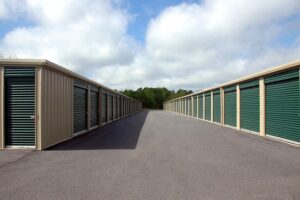
Outdoor lots expose vehicles to direct sunlight, rainwater intrusion, bird droppings, and airborne pollutants—all accelerating surface wear. Indoor environments shield against these hazards while offering enhanced security through gated access control systems. Although indoor options cost more monthly, they reduce repair expenses over time by preventing weather-induced degradation.
Enclosed Units vs Covered Parking Structures
Enclosed units maintain full environmental separation from external airflows, making them ideal for high-value motorhomes with delicate interiors. Covered parking structures offer partial protection through advanced roofing systems but lack complete humidity regulation unless equipped with sidewalls or curtain partitions acting as semi-enclosures—a hybrid model gaining popularity among mid-range users seeking balance between cost and care quality.
Technological Advancements Enhancing Climate-Controlled Storage Facilities
Technology now plays a defining role in maintaining precision-level stability across modern storage complexes.
Smart Monitoring Systems for Environmental Stability
Facilities employ networked sensors that record temperature fluctuations every few minutes. Data analytics platforms send alerts when readings deviate beyond preset thresholds so technicians can intervene promptly—preventing unnoticed shifts that could harm stored assets over time.
Integration of Renewable Energy in Modern Storage Facilities
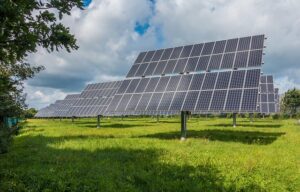
Solar photovoltaic arrays increasingly power HVAC operations during daylight hours, cutting energy costs while aligning with sustainability goals outlined by international frameworks such as IRENA’s renewable integration strategies. This approach appeals particularly to eco-conscious consumers who value energy efficiency alongside asset preservation.
Best Practices for Choosing Reliable RV Storage Near You
Selecting the right facility requires technical inspection rather than relying solely on online descriptions or pricing tiers.
Conducting On-Site Inspections Before Commitment
Inspect insulation thickness within walls or ceilings; look for foam spray applications sealing joints against vapor leaks. Request system maintenance logs verifying periodic servicing of HVAC filters or compressor units. Bringing along a handheld hygrometer allows independent verification of actual humidity levels inside sample units before signing contracts.
Reviewing Contracts and Service Agreements Carefully
Read clauses concerning liability coverage for environmental damage caused by system failure or power loss events. Negotiate written guarantees specifying acceptable ranges (for instance ±5°F deviation tolerance). Such commitments formalize accountability if conditions drift outside promised limits during tenancy periods.
Maintaining Your RV While in Climate-Controlled Storage
Even within optimized environments, periodic attention ensures mechanical readiness when reactivating after months off-road.
Routine Maintenance Tasks During Long-Term Storage
Check battery voltage monthly using multimeters; recharge if readings drop below manufacturer thresholds. Rotate tires slightly every few weeks to prevent flat-spotting under static loads. Inspect coolant reservoirs for sediment buildup indicating chemical imbalance despite stable ambient conditions.
Supplementary Protection Measures Inside the Unit
Use breathable fabric covers that block dust yet allow airflow around body panels to avoid trapped moisture pockets. Apply corrosion inhibitors on exposed metal parts like hitch assemblies or door hinges susceptible to oxidation even at moderate humidity levels maintained indoors.
FAQ
Q1: What temperature range qualifies as proper climate control for RV storage?
A: Typically between 55°F and 80°F with relative humidity maintained around 40–60%, minimizing both thermal stress and condensation risk.
Q2: Are all indoor storage units automatically climate-controlled?
A: No; some are merely enclosed without active heating or cooling systems—true climate control involves continuous monitoring equipment regulating both air temperature and moisture content.
Q3: How does climate control affect battery life during extended storage?
A: Stable temperatures slow chemical degradation inside cells while preventing deep discharge cycles common under extreme cold conditions.
Q4: Can solar-powered facilities provide reliable climate regulation year-round?
A: Yes if equipped with adequate energy storage capacity such as lithium-ion batteries supporting HVAC loads during nighttime or cloudy intervals.
Q5: Is it necessary to use additional dehumidifiers inside a climate-controlled unit?
A: In most cases no; however supplementary devices may help fine-tune microclimates within compartments containing sensitive electronics or fabrics prone to mildew formation.