
Investigations After Wind Worker Deaths in Germany
Fatal wind mill accidents in Germany have drawn scrutiny to the country’s renewable energy safety framework. Investigations reveal recurring technical and organizational failures, pointing to systemic weaknesses rather than isolated events. The evidence suggests that while Germany leads in wind energy capacity, its safety oversight has not evolved at the same pace. Experts now emphasize the need for unified reporting systems, stronger regulatory coordination, and improved worker protection standards.
Overview of Recent Wind Mill Accidents in Germany
The expansion of wind energy across Germany has coincided with a rise in reported accidents. These incidents underline the tension between rapid renewable growth and occupational safety obligations.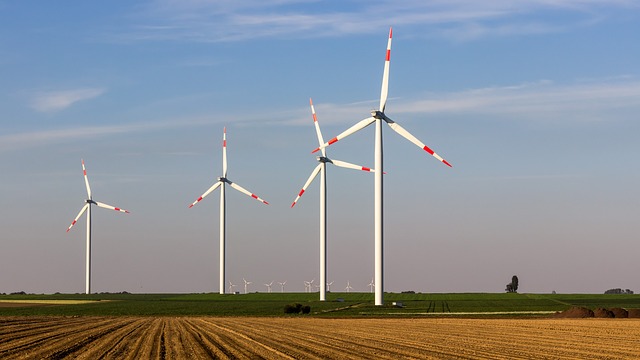
Key Incidents Highlighting Safety Concerns
Over the past five years, several major wind mill accidents have occurred across German states such as Lower Saxony, Schleswig-Holstein, and Brandenburg. Fatalities often involved maintenance workers performing high-altitude repairs or installations under adverse weather conditions. Equipment failures—particularly blade detachment and tower collapses—have been central to many investigations. Reports frequently cite similar contributing factors: inadequate inspection intervals, outdated components, and insufficient emergency response protocols.
Trends in Accident Frequency and Severity
Data from industry monitoring agencies show a gradual increase in both frequency and severity of turbine-related incidents since 2018. Offshore wind farms tend to record fewer but more severe accidents due to complex logistics and harsher environments. Onshore facilities experience more frequent minor injuries linked to maintenance routines. Larger turbine models above 5 MW capacity display higher structural stress levels, while older units nearing end-of-life cycles exhibit greater mechanical fatigue risks.
Regulatory Framework Governing Wind Energy Safety in Germany
Germany’s regulatory structure for wind energy safety is multilayered but fragmented. Oversight responsibilities are distributed among federal ministries, state-level authorities, and independent certification bodies.
Current Oversight Structure and Responsibilities
Federal agencies establish broad occupational safety directives under national labor law, while state authorities implement inspections and enforce compliance at site level. Certification bodies accredited by recognized standards organizations assess turbine design conformity according to IEC 61400 guidelines. Manufacturers must obtain type certification before deployment, followed by periodic operational inspections managed by operators under supervision of local authorities.
Gaps in Implementation and Enforcement
Despite comprehensive regulations on paper, enforcement remains inconsistent. Coordination challenges arise when multiple jurisdictions overlap—particularly between maritime authorities for offshore sites and land-based regulators for onshore ones. Accident reporting procedures vary widely among states, leading to incomplete national statistics. Public access to incident data is limited, hindering transparency and cross-sector learning.
Technical and Operational Factors Behind Recent Accidents
Investigations consistently highlight a mix of mechanical degradation and human error as root causes behind fatal wind mill incidents.
Mechanical Failures and Structural Integrity Issues
Recurring technical faults include blade detachment due to adhesive failure or lightning damage, gearbox seizure from lubrication loss, and tower collapse following foundation corrosion. Material fatigue often accelerates under extreme temperature fluctuations or excessive vibration loads. Maintenance schedules sometimes lag behind actual component wear rates because predictive diagnostics are not uniformly adopted across operators.
Human Factors in Wind Farm Operations
Human elements remain critical in accident causation chains. Technicians frequently operate at heights exceeding 100 meters with limited rest periods during peak maintenance seasons. Training programs vary among contractors; smaller service firms may lack standardized instruction aligned with ISO 45001 occupational safety frameworks. Fatigue management policies are inconsistently applied during extended installation campaigns or emergency repair shifts offshore.
The Role of Manufacturers and Operators in Safety Management
Manufacturers and operators share legal responsibility for minimizing operational hazards throughout the turbine lifecycle.
Corporate Responsibility for Risk Mitigation
Manufacturers are required to issue design updates when new structural vulnerabilities are identified through field feedback or laboratory testing. Operators must document preventive maintenance actions within certified management systems to demonstrate compliance during audits. Predictive analytics tools using vibration sensors or SCADA data increasingly assist in identifying anomalies before catastrophic failure occurs.
Industry Self-Regulation Versus Government Oversight
The German wind sector has developed voluntary safety codes through industry associations focusing on best practices for lifting operations, confined space entry, and electrical isolation procedures. However, internal audits cannot substitute for independent external inspections mandated by law. Conflicts sometimes emerge when commercial deadlines pressure operators to postpone non-critical repairs or extend service intervals beyond manufacturer recommendations.
Lessons from Accident Investigations and Policy Implications
Recent investigation reports have produced valuable insights into both engineering reliability issues and procedural weaknesses within emergency response systems.
Insights from Preliminary Investigation Findings
Technical findings emphasize that early warning signs—such as abnormal vibration patterns or oil contamination—were often detected but not escalated promptly due to communication gaps between monitoring centers and field teams. Emergency drills at several sites were found outdated or poorly documented. Worker unions have urged regulators to mandate refresher training every two years for technicians exposed to high-risk conditions.
Future Directions for Strengthening Oversight Mechanisms
Experts advocate creating a unified national database cataloging all turbine-related incidents regardless of severity level. Such a system would allow statistical trend analysis similar to aviation safety reporting models used by EASA. Proposals also include shortening inspection intervals for turbines older than ten years and revising certification criteria to incorporate digital monitoring systems capable of real-time risk alerts integrated into supervisory control platforms.
Advancing a Culture of Safety Within the German Wind Sector
Beyond compliance measures, building a sustainable culture of safety requires collective commitment across all stakeholders—from manufacturers to frontline technicians.
Building Systemic Resilience Through Data Transparency
Sharing anonymized incident data among operators can accelerate collective learning without compromising commercial confidentiality. Collaboration between insurers, regulators, and research institutes could produce more accurate risk models guiding premium structures that reward proactive maintenance behavior rather than reactive repair spending.
Enhancing Worker Protection Standards
Modern turbines demand updated training curricula covering advanced electrical systems, composite materials handling, and rescue operations within narrow nacelle spaces. Psychological support programs addressing stress from isolation during offshore rotations are gaining recognition as part of holistic worker welfare strategies aligned with EU occupational health directives.
Aligning Energy Transition Goals with Occupational Safety Priorities
Germany’s ambition to expand renewable capacity must coexist with rigorous safety assurance frameworks. Integrating measurable safety performance indicators into national energy targets would reinforce accountability across the value chain while maintaining public trust in the broader energy transition agenda.
FAQ
Q1: What are the most common causes of recent wind mill accidents in Germany?
A: Mechanical failures such as blade detachment or gearbox malfunction combined with human errors during maintenance are the leading causes identified by investigators.
Q2: How do offshore accident rates compare with onshore ones?
A: Offshore accidents occur less frequently but tend to be more severe due to complex rescue logistics and exposure to harsher environmental conditions.
Q3: Which authority oversees wind turbine safety compliance?
A: Federal labor agencies set overarching rules while state-level regulators conduct inspections; certified third-party bodies verify turbine design compliance under IEC standards.
Q4: What improvements have been proposed after recent fatalities?
A: Recommendations include establishing a unified national accident database, revising inspection frequencies for aging turbines, and mandating standardized technician retraining cycles.
Q5: How can operators enhance worker protection at wind farms?
A: By implementing continuous skill development programs, enforcing fatigue management policies, adopting predictive maintenance technologies, and promoting transparent incident reporting cultures across their operations.