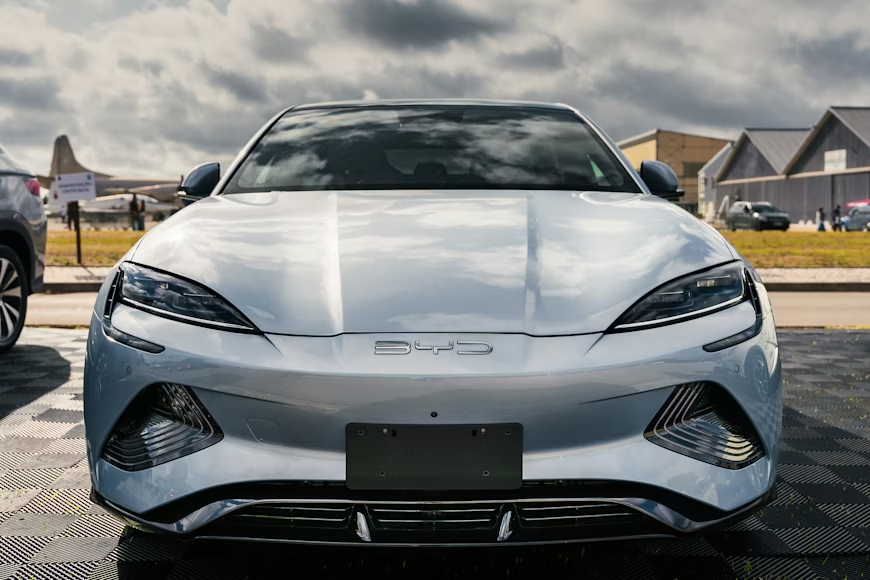

The first quarter of 2026 was a bumpy time for China’s biggest electric vehicle maker, BYD. The company’s money results showed the tough price fights in the world EV market. Before we look at the facts, it’s good to know why EVs shake things up. Electric vehicles, or EVs, run all or part by power from batteries, not gas engines. They get popular because of cheap running costs, less pollution, and more help from governments for clean rides. But as more people buy them, the fights get hard. Even big players like BYD must change how they set prices and make money.
BYD’s Q1 2026 Earnings Overview
BYD’s first-quarter money report shows how fast things change in this field full of new ideas and cost pushes. The company hit record sales of cars. Yet, its profits dropped a lot. This happened because bold price cuts ate into the money left after costs.
Key Financial Highlights
BYD saw its net profit fall by 55% from the year before in Q1 2026. This was one of the biggest drops since it started making lots of EVs. Sales money grew a bit. That came from more cars sold. But thinner edges in almost every part canceled that out. Sales numbers kept growing strong. This was true for small cars like the Dolphin and Seagull. However, money per car went down. Discounts played a big role. Experts pointed to price squeezes in China’s EV world. They also noted rising fights from Tesla and new home brands.
Market Context and Competitive Landscape
In the start of 2026, the EV field stepped into a fresh stage of steady prices. This came after years of quick growth. People still wanted EVs a lot. But they cared more about cost now. Tesla kept up its world discount plan from late 2025. So, Chinese car makers like BYD, NIO, and XPeng did the same. At the same time, government help money was slowly ending or changing. It moved to programs for farm areas, not city buyers. This made demand uneven. Low prices drove sales speed more than name fame.
The EV Price War and Its Financial Implications
Car makers around the world lowered prices to hold their share of the market. The effects on money making spread far. For BYD, which grew strong on full control of parts and low costs, even tiny drops in sale prices hit earnings hard.
Price Competition Across the EV Segment
During Q1 2026, top car makers joined what experts called an “EV price war.” Cuts on hot models averaged 10% to 20%. Some basic cars sold below cost for quick sales boosts. These moves raised the number of cars sold. But they cut the gross edges for all. Price give-and-take showed up clear. Buyers liked low prices. So, sales numbers rose. Yet, profits shrank faster than people thought. Government perks kept demand going for a bit. However, many helps switched from cars for people to truck fleets and power storage work.
Impact on BYD’s Product Portfolio
BYD felt edge squeezes in both high-end and everyday lines. Its main Han sedan got bigger cuts. This was because of strong fights from Tesla’s Model 3 update. Everyday models like the Dolphin held sales leads. But they made less money. The firm made smart changes. It picked some price drops on key cars. It added better loan deals instead of full cuts. The company tried different prices by area. It kept home prices low. At the same time, it held better edges in sales to places like Thailand and Brazil. This helped match cheapness with name strength.
Cost Structure and Operational Efficiency Under Pressure
BYD has a full chain from battery parts by FinDreams to chip making with BYD Semiconductor. Even so, it could not dodge ups and downs in input costs or work strains from fast growth.
Raw Material Costs and Supply Chain Challenges
Changes in lithium carbonate prices from late 2025 lasted into early 2026. They raised battery costs. This happened even with better ways to pull out the stuff. Nickel and cobalt markets got shaky again. That was due to world fights hitting mine spots in Africa and Southeast Asia. To fight back, BYD sped up local supply chains in China’s Yichun lithium spot. It also spread out deals for stuff from other countries. New plans fixed shipping paths. They cut delays that once raised money needs for daily work.
Technological Innovation as a Cost Lever
New battery tech stayed key to BYD’s way of handling costs. The firm kept improving its Blade Battery setup. This battery is known for being safe and packing lots of power. It cuts costs per piece with simple cell shapes and auto build lines. Full control grew into making cathode stuff. This cut need for outside sellers. Auto tasks with smart AI checks for quality helped. They lowered waste at big plants in Shenzhen and Xi’an. This boosted work flow without adding many workers.
Strategic Responses to Maintain Profitability Amid Price Pressures
BYD’s strength comes from spreading out past cars for people. It also grows in new lands. These help soften home problems.
Diversification Beyond Passenger Vehicles
Besides EVs for buyers, BYD pushed hard into electric buses for work, trucks, train systems under SkyRail name, and fixed power storage for power companies. These parts gave steady sales money when car edges got tight. Teams from BYD Auto, BYD Electronics for parts, and FinDreams for batteries worked together. This made big savings in size and flow across items. It cut lean on up-and-down car sales.
Global Market Expansion Strategies
Growing outside China stayed a top goal. It used local build spots in Southeast Asia, South America, and Europe. Factories in Thailand started putting together right-hand-drive cars fit for those markets by early 2026. In Europe, rules checks on Chinese goods got stronger. The European Commission led probes on subsidy fights. Tesla’s Berlin Gigafactory made more cars. This added push on prices for mid cars like the Seal. To cut risks from money changes and ship costs, BYD upped local parts buys in each area spot. This aimed at long wins in sales abroad, not quick bucks.
Investor Sentiment and Market Valuation Trends
The way the market acted after BYD’s Q1 news showed worry from money holders about long edge cuts. This was even with good sales growth.
Stock Market Reaction to Q1 2026 Results
After the money news came out, BYD stock dropped almost 8% on the Hong Kong trade spot. It bounced back a little as experts looked again at year plans. Many stock advice groups cut their guesses for profits in FY2026 to FY2027. They lowered by about 20%. They said price pushes would last through half the year. Then, things might steady later in 2026. Next to friends like Tesla, which kept high gross edges from software sales, and Li Auto, which gained from long-range hybrid likes, BYD sold at a low price tag. This showed care from buyers about quick money come-back.
Long-Term Growth Outlook for BYD Amid Industry Transition
Even with now troubles, future looks good once price fights ease. Demand will settle at levels that last. Experts think come-back will come from new car starts with next-step sodium-ion batteries. These aim at under-$20k parts world-wide by late 2027. Plus, rules for electric shifts in Europe and Southeast Asia keep pushing sales out. This holds even if home helps fade more. In China’s changing EV world, with goals to cut carbon under the “dual carbon” plan for 2030 to 2060 times, BYD sits well. It acts as a top factory leader and tech giver. It can help shape coming ride setups.
FAQ
Q1: Why did BYD’s net profit fall by 55% in Q1 2026?
A: The drop came mostly from bold price cuts on its cars during the EV price war. This squeezed edges even with more cars sold.
Q2: How is the global EV market affecting BYD?
A: Hard world fights from names like Tesla and NIO force big discounts. Rule changes also shift buyer helps in different areas.
Q3: What steps is BYD taking to reduce costs?
A: It grows full control into base stuff like lithium work. It adds more auto tasks in build plants to make things run better.
Q4: How does diversification help stabilize revenue?
A: By making work vehicles, power storage setups, and train fixes next to cars for people, BYD cuts lean on one part open to price ups and downs.
Q5: What is the long-term outlook for BYD after the price war?
A: Experts see slow come-back helped by tech steps like sodium-ion batteries. World demand stays strong from rules to cut carbon every place.