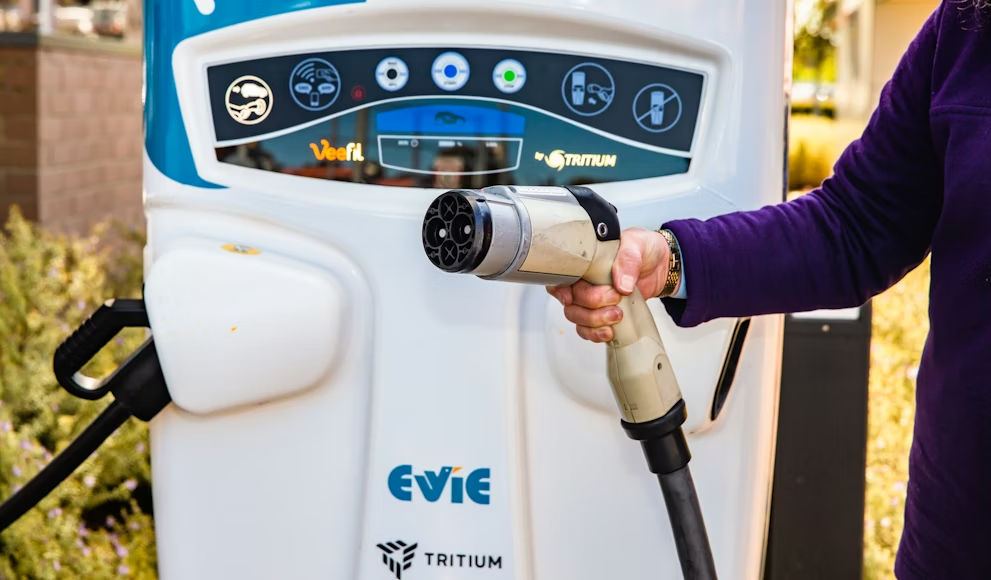

Electric vehicles, or EVs, are changing the way cities view travel and power. These cars use electricity from batteries. They do not need gas or diesel. As a result, they create no exhaust fumes. The move to EVs comes from rules and new tech. Battery costs drop. Driving distance gets better. Public charging spots grow fast. Big stores like Walmart add EV charging to help the environment. This draws shoppers who care about green living. ABB makes strong power and control tools. The company builds very quick chargers. These make long trips in EVs easier. Their work together marks a big change for city power systems.
Walmart and ABB’s Collaboration in EV Charging Infrastructure
The team-up between Walmart and ABB means more than a simple update to setups. It joins store work with strong energy tools. Walmart has aimed to lead in green business for years. The company puts money into clean energy plans and smart delivery systems. Now, it works with ABB to place 400 kW chargers in Phoenix. This step pushes its green plan into travel.
Overview of the Partnership
Walmart wants to cut pollution in its delivery chain. It also offers easy charging for buyers. The firm’s plan to switch its trucks to electric fits with country-wide efforts to clean up deliveries. ABB has years of skill in fast DC charging tools. These serve business fleets and open networks around the world. Its gear has flexible parts and works well. That matters when adding to many store spots. Starting with 400 kW chargers in Phoenix lets both firms check how they do in real life. They can learn before spreading to more places.
Strategic Goals Behind the Rollout
This launch matches goals from the country and state for EV setups. Those goals focus on quick-charge paths and easy city access. For Walmart, the chargers help its own truck switch to electric. They also make things handy for shoppers. ABB’s flexible build lets easy updates as car batteries get bigger. This keeps the money spent useful for a long time. The Phoenix test gives key facts on how people use them. It shows grid effects and fix needs. Such info helps grow to other big cities.
Technical Aspects of the 400 kW EV Chargers
The smart tech in these chargers makes them a big help for cars and big trucks. A 400 kW charger gives power fast. It adds many miles of drive in just minutes. This beats hours of wait.
Key Specifications and Capabilities
These devices work with a wide power range. They fit most EV rules like CCS, or Combined Charging System. Liquid-cooled cables let safe use at high power flows. They keep work smooth during energy move. For big trucks or work vans—key to Walmart’s delivery—the short wait saves time and money. Small cars gain too. Drivers can charge quick while they shop. They do not wait long.
Grid Integration and Energy Management Considerations
Putting very fast chargers at store spots brings new issues for local power lines. Big sudden pulls can stress the system. If not handled right, problems arise. Smart tools balance loads. They spread out charge times based on now power states or cost signs. Adding batteries at the site helps even out high uses. It also lets in sun power from roof panels on stores. Plans for the future think about vehicle-to-grid, or V2G. In this, parked cars give back power to lines during busy times. Power companies like this idea more each day.
Implications for Urban Charging Networks
Cities have special problems. Space is tight. Traffic packs close. Demand rises from delivery groups moving to electric. Very fast chargers like these can fix many issues.
Addressing Urban Charging Bottlencks
Strong power spots cut wait times a lot. This beats old 50–150 kW ones. More cars get charged each day. No need for bigger space. That helps city stores with small lots. Truck groups gain from set times. This boosts last-mile work flow.
Impact on Public and Private Charging Ecosystems
As big stores add strong charge setups, city leaders may change rules. They will plan for more power needs near shops. Power firms could team up. They offer changing rates or share costs to handle bills well. Other stores will push to update their spots. They want to keep buyers coming. All systems must work together. They need to link with pay tools like Plug & Charge. These follow ISO 15118 rules.
Economic and Operational Perspectives
Green stories matter, but a solid money plan drives these adds too.
Cost-Benefit Analysis for Retail Hosts Like Walmart
Up-front costs for a 400 kW setup run high. This covers power box changes and cool needs. But over time, gains show. Electric trucks cut fuel bills. Charging draws more shoppers to stores. Money comes from charge fees or reward plans linked to visits. Fix work differs from gas pumps. Yet it stays steady. Soft tools check issues from afar. This cuts stop times.
Broader Market Implications for EV Infrastructure Providers
For ABB, this job sets a standard. It shows good work at big scale in store areas. That field used mostly slow AC chargers before. Now, it opens paths to work with car makers. They want checked strong networks for new cars with over 800V setups. Other stores watch the Phoenix numbers. They may buy like items. Focus stays on flexible and easy-fix parts, not custom ones.
Policy, Regulation, and Future Outlook
Government rules shape how these plans grow across the land.
Alignment with Federal Incentives and NEVI Standards
The National Electric Vehicle Infrastructure, or NEVI, program sets tech needs. It includes min power per spot. ABB’s 400 kW units meet this easy. It also calls for open pay systems that work across types. Following rules lets firms get country money. This cuts setup bills a lot. It speeds up the spread.
Long-Term Vision for Urban Electrification Networks
Phoenix acts as a first spot to try. But plans go further than one town. As truck switches to electric speed up, even stronger chargers will come. These hit a million watts for big road trucks. Store hubs like Walmart’s could turn into all-in-one power places. They mix sun power, store batteries, and V2G help. This aids goals for zero-waste travel set by leaders.
FAQ
Q1: Why did Walmart choose Phoenix for the pilot?
A: Phoenix has good weather all year. EV use grows there. This makes it perfect to test very fast charging in steady real use.
Q2: How fast can a 400 kW charger refill an average passenger EV?
A: It depends on battery size and take rate. Most new EVs add up to 200 miles in about ten minutes with this strong gear.
Q3: What challenges exist when installing these chargers at retail sites?
A: Power line boosts need work with power firms. Handling heat in small lot spaces adds hard steps too.
Q4: Will these chargers support future vehicle standards?
A: Yes. They use build that grows. It fits higher power from coming cars, including big trucks.
Q5: How does this initiative align with broader sustainability goals?
A: It cuts pollution direct through truck electric shifts. It also gives open clean power travel. This matches country plans to drop carbon.