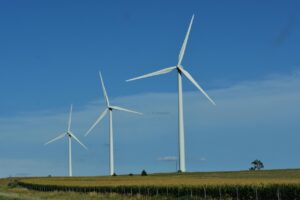

Offshore wind began as a simple thought. Now, it forms a main piece of the U.S. energy change. Vineyard Wind stands as one of the early large efforts in this field. It could alter the way Massachusetts supplies electricity to houses and companies. Wind energy looks simple on paper. Turbines change flowing air into power. However, carrying it out in the ocean proves difficult. Offshore systems grab winds that stay even and more forceful than those on ground. As a result, they create steadier electricity. In a spot like Massachusetts, with tall energy costs and large climate aims, offshore wind offers cash benefits and eco-friendly gains. Even so, folks question if efforts such as Vineyard Wind will truly deliver the cash cuts they promise. Many homes face steep power fees each month. This project catches eyes because it vows help. Yet, earlier energy plans have at times missed their marks. Local papers often point out these doubts. This leads to talks in neighborhoods about the real worth of these spends. People share stories of past bills and hope for better days ahead.
Vineyard Wind And Its Role In Massachusetts’ Energy Landscape
Vineyard Wind signals a major shift for America’s eco-friendly energy system. It acts as the first full-size offshore wind farm in the United States. The place lies around 15 miles away from Martha’s Vineyard. This effort stems from a partnership between Avangrid Renewables and Copenhagen Infrastructure Partners. The group blends skills from Europe’s sea-based tasks with U.S. business aims. This blend helps bridge old methods with new needs. In turn, it speeds up the move to cleaner power in the area. Leaders and green groups cheer this move. They see it as a guide for what comes next. The project ties into bigger plans for less dirt in the air. It also promises jobs and steady lights for homes.
Overview Of The Vineyard Wind Project
The design includes 62 turbines. These units produce 800 megawatts of pure electricity. That output lights up more than 400,000 houses in Massachusetts. The area near Martha’s Vineyard gets fine winds that flow smooth and firm. Plus, it sits near lines for power that are already in place. Each turbine climbs close to 850 feet over the water. This setup highlights clever build methods and a scale seldom found in U.S. seas. Vineyard Wind feeds clean power straight into New England’s network. The main aim is to lower the call for gas from afar. It also aids in holding the flow of electricity even as years pass. Teams have started early steps, like checking the site and making parts. These actions build speed. Local folks wait with hope for when it all runs. The work not only meets power wants but also sparks joy in home-grown ideas. Experts note how the steady winds there make it a smart choice. Daily life in the state could see less blackouts and cleaner skies.
How Vineyard Wind Fits Into Massachusetts’ Clean Energy Goals
Massachusetts plans to reach net-zero carbon by 2050. Offshore wind holds a top spot in that plan. State bosses view efforts like Vineyard Wind as vital. They aid in trading out fuels that cause carbon. Meanwhile, they ensure the network runs smooth. Offshore wind pairs nicely with sun and water power. It creates energy at night when use goes up. This blend strengthens the local network against shifts in gas prices. What is more, it places Massachusetts ahead in eco-friendly tasks. That earns respect in cash and rule areas. Residents feel side gains, like better air to breathe. They rely less on wild world trades. Town drives teach about these aims. They pull in folks to join green steps. Schools add classes on wind power. This fires up young minds to care for clean energy. Families talk about how small changes at home add up. The whole push builds a shared path to a greener tomorrow.
The Economics Behind Vineyard Wind’s Promised Savings
Builders stated that Vineyard Wind pacts might cut power bills by $1.4 billion in 20 years. Lots of people saw this as proof that green power runs cheaper than past fuels. But these cuts depend on some tied items. They cover pact structures and the ways power markets move.
Breakdown Of Projected $1.4 Billion In Electricity Bill Reductions
The $1.4 billion sum arises from drawn-out pacts to get power. Folks call them power purchase agreements or PPAs. Utilities in Massachusetts, like Eversource and National Grid, put their names on them. These pacts fix prices for 20 years. They guard people from fast rises in fuel fees. Such rises strike bills heavy in cold months. Utilities vow to get power from Vineyard Wind at a firm price each megawatt-hour. After that, they share the small costs with users via set rate rules. Through the years, this firm path can save much. It tops the wild rides of fuel-based prices. For example, in times of world supply breaks, the firm pacts act as a shield for homes. This trust boosts wide use of green choices among payers and leaders. Reports show how these deals lock in value for the long haul. Users get peace knowing their costs stay put.
Factors Influencing Actual Consumer Savings
Still, the set savings hold no sure bet. Wholesale power prices shift plenty. They move with gas stocks, high use in times of year, and tweaks in federal laws. Those laws hit carbon trades or tax aids. Changes to move power, such as lines under the sea from turbines to ground spots, might run billions. Cuts reach users only then. Federal tax credits for spends ease things for now. Yet, law folks need to keep them going. This sparks fear for makers and rule setters. Other parts, like rises in build stuff or worker supply, might shape end costs for buyers. Watchers study these bits to guess real hits on daily spends. Clear facts from utility notes give light. This helps homes grasp what might come. Plans include checks to keep things on track. In the end, smart watches turn promises into facts.
How Offshore Wind Power Impacts Electricity Prices
The cash side of offshore wind reaches beyond one effort. It changes how local markets judge the value of clean power as time goes.
The Mechanism Of Renewable Energy Price Stabilization
Wind power pays no fuel fee once up. Thus, it dodges blows from global oil or gas woes. Those woes leak into usual energy trades. Long PPAs offer firm prices. Utilities plan gets better. Folks predict their monthly fees with ease. When more green power links to the network, it trims tall prices in peak times. It shoves aside pricey fuel spots. Those spots set high marks when wants peak. This way boosts cheapness for all, from homes to shops. Over long stretches, the total hit could shift how towns budget energy. Steady flows mean fewer surprises in wallets. Green shifts bring calm to money plans.
Comparing Offshore Wind With Other Renewable Sources In Cost Efficiency
Offshore wind calls for more cash at the start than sun fields or ground turbines. This comes from tough jobs at sea. But it pays back with higher run rates. Those beat 45 percent often. Ground wind in New England gets near 25 percent. Ocean winds flow even all year. Less blocks like rises or houses get in the way. This hands operators firm cash. It trims fears of spotty power for network crews. As days roll, large builds of like turbines and finer boats for place should drop fees per megawatt. This drop will come big. Gains in know-how make offshore wind a strong pick against other greens. It might lead in gusty shore lines like the East Coast. Watchers see costs fall as tools get sharp. This levels the field for wide use.
Challenges That Could Influence Vineyard Wind’s Economic Impact
Bright views hold, but sea projects face true snags. These might switch times and cash parts.
Construction Delays And Supply Chain Constraints
Raising big turbines way out in the sea asks for rare boats. They have to handle wild Atlantic rolls. The world owns just a few now. Europe’s rise tugs at them as well. Times of good air for work stay short. Tiny holds can push end to costlier slots or later years. Lacks in bits like turbine heads or arms toughen shifts and cash maps. Get teams hunt other sources from varied sellers. Yet, world trade spats make it worse. Still, key wins show grit in run ways. Ties with far partners cut some risks. This keeps steps firm. Teams learn from each hitch to go faster next time. Local ports buzz with prep work. This builds a base for smooth sails ahead.
Regulatory And Environmental Considerations
Federal nods from teams like the Bureau of Ocean Energy Management add paths. They look to shield sea beings and fish jobs. But this drags out efforts. Makers need to run full looks at nature hits. They touch whale routes and ground under water shifts. Full start comes only post that. This strict check, though slow, keeps growth kind to earth. Views from green fighters and near trades hone the plan. This cuts clashes. Watch after build guards life in seas. Rules ensure safe paths for all. Builders team with watchers for best steps. In time, these cares build trust in the work.
Broader Economic And Social Benefits Beyond Lower Bills
Efforts like Vineyard Wind go further than trim fees for users. They light up broad rise in the spot via job places, finer builds, and shifts in make ways.
Job Creation And Local Economic Growth
Vineyard Wind makes thousands of work spots. Some sit in joining turbines at New Bedford ports. Others cover run keeps once it goes. Coast towns win from fresh docks and lots for large bits. These shifts fan out. Near sellers hand goods. Learn drives aid workers gain know. Eat and rest spots get more guests in build days. This rush wakes side cash flows, like shops and aids. Long on, skilled spots hold smart folks in place. This steadies crowds and school puts. Town meets hail these chances. They grow a feel of group push. New workers share tales of growth. This knits tight bonds in the area.
Contribution To Energy Independence And Sustainability Goals
Every chunk of sea power lessens want for fuels from distant spots. Those reach by tubes or boats open to world rows. Growing home green power makes energy firm for years ahead. It lines with state vows on weather. Plus, it proves that large clean builds fit with solid cash gain. They boost, not harm, it. Less tie to far trade wilds toughens home strength. In Massachusetts, this match backs teach runs on save energy and green ways. Homes pick up easy steps, from smart use in houses to back local works. This weaves care into day life. Kids learn why seas matter. The drive shapes a safe, green future for all.
Evaluating Whether Vineyard Wind Will Deliver On Its Promises
To check if Vineyard Wind holds its cash vows, years of facts are key. It spans many marks tied to price shifts and system runs.
Key Metrics For Assessing Financial Impact Over Time
Watchers eye mean prices for power sent to houses and firms. They check states before and after link to ISO-New England’s wholesale spot. They follow too how utilities share get costs to varied user sets. Clear facts from utility notes show if PPA cuts turn to true low bills. Or if side costs like mend lines or pays swallow them. Each three months, looks give quick views of go. This lets tweaks. Group input rings keep count. They hold the effort true to folk wants. Plans track changes in use patterns. This builds a full picture of wins. In the close, keen eyes make vows real.
Long-Term Outlook For Offshore Wind’s Role In Regional Energy Pricing
If next efforts use same pact styles but gain from low tech, full state cuts might top first thinks. More makers chase state calls could press prices lower. This quickens fresh thoughts in turbine forms and grid join ways. As the field grows, scale gains show. This makes greens the go-to pick. Area bosses look for chain goods, from job spread to better power hold. This sets the Northeast as a green power lead. Costs drop as tools shine. This smooths the road for more sites. Folks dream of cheap, clean power for good.
FAQ
Q1: How much power will Vineyard Wind generate?
A: It is designed to produce about 800 megawatts of electricity—enough for over 400,000 homes across Massachusetts.
Q2: What makes offshore wind more stable than onshore alternatives?
A: Ocean winds blow more consistently throughout the year due to fewer physical obstructions like mountains or buildings that disrupt airflow on land.
Q3: Why does Massachusetts prioritize offshore wind development?
A: The state aims for net-zero carbon emissions by 2050 and views offshore wind as crucial for replacing fossil generation while maintaining reliable supply.
Q4: Could construction delays affect consumer savings?
A: Yes, delays increase financing costs and postpone when fixed-rate contracts start delivering benefits to ratepayers.
Q5: Will future projects lower costs even further?
A: Likely so; as technology advances and supply chains mature, newer installations should achieve lower per-megawatt costs than early ventures like Vineyard Wind.