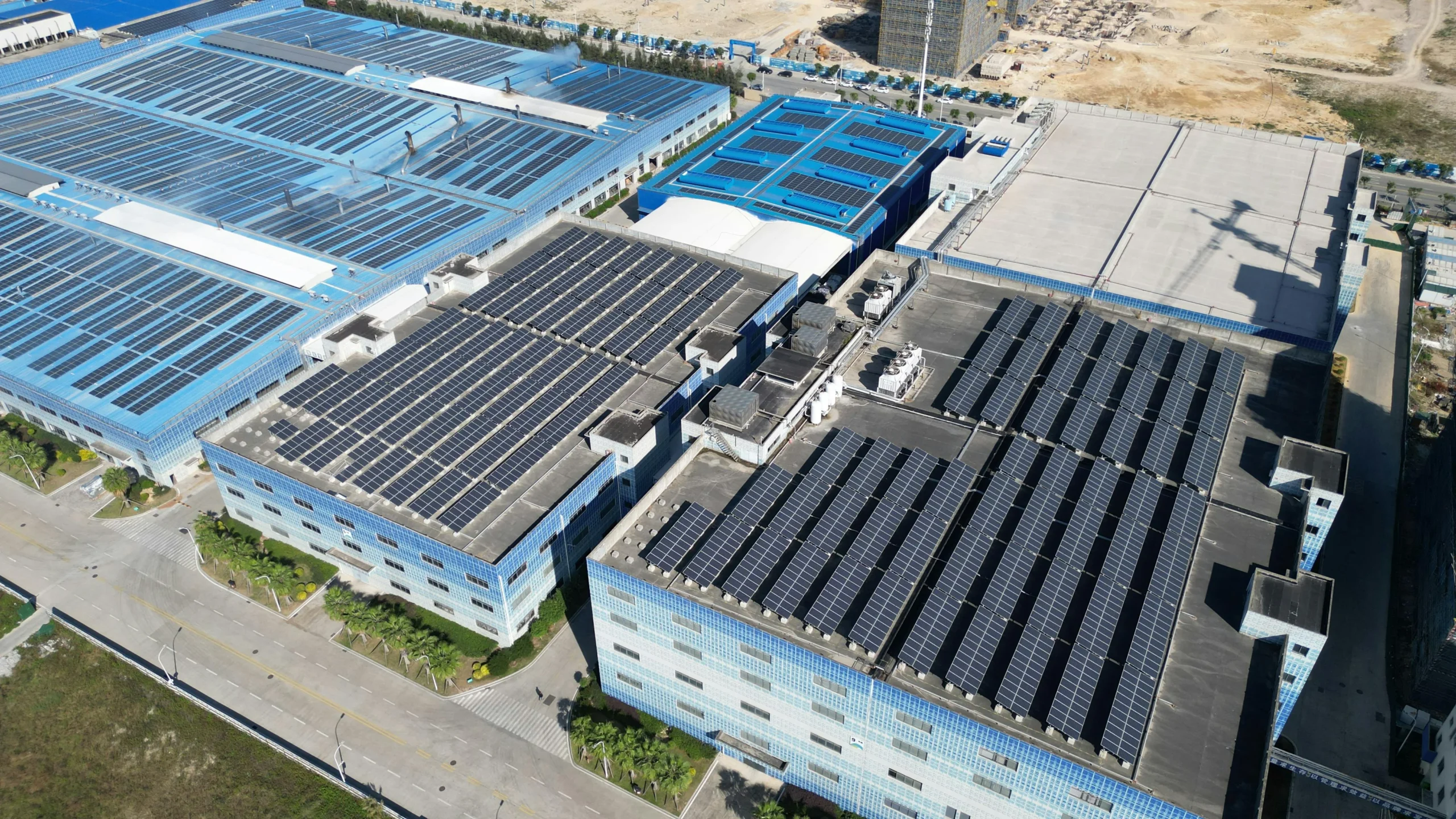

The solar battery system started as a basic backup choice. Over time, it became a main piece in current energy plans. More folks are switching to renewable sources these days. So, looking closely at its technical parts is a must. This aids people who work in the area and those who make choices. The article digs into the basic parts, its working level, and everyday running of such systems. It pays attention to methods for assessing their actual performance and the effects on planning.
What Determines the Efficiency of a Solar Battery System?
Efficiency is about how good the system is at changing saved energy into usable power. Several factors play into this. They cover the battery kind, the number of charge and discharge times, holding steady temperatures, and the inverter’s role. When you inspect installations as a pro, grasping these connections allows you to predict power yield and system durability. In practice, small changes here can make a big difference in daily use.
Battery Chemistry and Conversion Losses
Lithium-ion batteries top the list in sales right now. They provide solid round-trip efficiency, often hitting 90% to 95%. Lead-acid options come in lower, around 80%. Key issues include greater internal resistance and slower inner processes. Solid-state batteries are popping up as strong contenders. These hold denser energy and degrade slower. Still, they remain expensive and not set for wide market entry. Watching their progress is interesting, even if full use lags behind expectations a bit.
Depth of Discharge and Cycle Life
Depth of discharge, known as DoD, tells how much battery capacity you draw before recharging. Higher DoD means more available storage room. But it can shorten the battery’s overall life if managed poorly. Take lithium-ion cells; they perform well at 80% DoD. Companies usually rate cycle life for standard conditions. Good lithium setups manage 4,000 to 6,000 cycles. Consider a household array in bright California. Cycles build up quickly each day. Thus, choosing the proper DoD is crucial. One wrong setting, and you face earlier replacements.
Temperature Control and Energy Retention
Temperature affects the battery’s chemical work a great deal. Cells function best from 20°C to 25°C. When conditions stray too far, capacity falls or wear speeds up. Fresh cooling approaches, such as liquid setups or phase-shift materials, maintain even temps. You see this in large solar sites often. Lacking such controls, efficiency might dip 5-10% during warm summer periods. Reports from spots like Arizona back this up. In those dry heats, fans alone sometimes fall short, needing extra tweaks.
How Does System Design Affect Energy Output?
Your system build influences how effectively it collects solar energy, stores it, and delivers it. Arrangements of panels, inverters, cables, and batteries fix the total yield across seasons. Bad planning wastes 15% or higher, but clever designs raise it. Picture it as mapping a route; correct lines lead to easier flow. Real-world installs show that early design thoughts pay off in the long run.
Inverter Selection and Power Conditioning
Inverters turn DC from panels or batteries into AC for home or grid needs. Hybrid types handle charging and supplying at the same time. This avoids added conversion steps. As a result, it reduces power waste. Latest versions connect with the grid via standards like Modbus or CAN bus. For a typical small shop setup, this eases blackout handling. Plus, it trims gear costs overall. During a power cut last winter in a Midwest town, such inverters kept lights on without a hitch.
Wiring Layouts and Voltage Optimization
Voltage mismatches among components or undersized cables lead to resistance losses. These build into major drains over years. Installers favor elevated DC voltages, say 400–600 V. Such choices cut current levels and ease power transfer. In a roof-based system, solid wiring boosts annual yield by 5%. Ignore it, and costs climb needlessly. A project in Florida once lost 8% from poor cables, a lesson for new builders.
Panel Orientation and Shading Management
Aiming panels correctly grabs extra sunlight. Yet, slight shading slashes production sharply. Series modules pull each other down in such cases. Devices like microinverters or power optimizers solve this. They let panels work solo at maximum power point, or MPPT. Shaded areas, perhaps by nearby plants, see harvests rise up to 25%. Farms in rolling terrains benefit hugely from these. One in Italy added 20% output after fitting optimizers, proving the worth in uneven light.
Why Is Battery Management System (BMS) Critical?
The battery management system oversees operations for safety. It monitors voltage, temperature, current, and state of charge, or SoC. Without a BMS, premium cells risk failure from charge imbalances or excess input. It acts as the central control to avert major issues upfront. Skipping it is like driving without brakes—risky from the start.
Real-Time Monitoring Functions
The BMS tracks every cell nonstop. It evens out charges via active or passive methods. This halts weaker areas from declining rapidly. Large arrays with thousands of cells depend on it. A single faulty cell can weaken the entire group otherwise. Routine scans pick up minor faults soon. In a warehouse setup, this monitoring once caught a drifting cell before it spread trouble.
Protection Mechanisms Against Faults
High voltage triggers a shutdown of charging lines. Undervoltage halts deep pulls that damage cells permanently. Temperature detectors start fans or isolate sections in high-demand phases. These features block fires or failures. Hot regions, such as in India, rely on them to extend system life. During monsoons there, extra safeguards prevent water-related shorts too.
Data Analytics for Predictive Maintenance
Current BMS connects online for remote oversight. Clever software examines voltage shifts to flag risks early, perhaps weeks in advance. It lowers downtime at major solar operations. A 100-panel site could dodge thousands in fixes each year. Such info shifts from hunches to firm strategies. Teams in Australia use this to plan fixes around peak seasons, keeping output steady.
How Do Environmental Factors Influence Performance?
Advanced tools shine, yet local weather and conditions set the pace outside labs. Heat, dampness, or grime alter running effectiveness. Nature wins always, but smart prep helps adapt. Everyday changes remind us tech isn’t foolproof.
Ambient Temperature Variations
Warm and humid zones see outside warmth hasten liquid decay in lithium units. Chilly places slow ion flow, delaying winter charges. Texas arrays might lose 20% in peak summer warmth. Canadian ones falter under zero degrees. Tailoring to area climate ensures consistent runs. A Midwest farm adjusted mounts for cold snaps and gained reliable winter power.
Humidity and Corrosion Risks
Excess dampness quickens decay at connection points or terminals when seals fade. Apply protective grease, like dielectric types, in routine inspections to counter it. Seaside locations suffer halved lifespans from ignored moisture. Steady reviews maintain dryness and firmness. In Florida’s humid air, yearly grease jobs extended one install by years.
Dust Accumulation on Panels
Dust buildup hides sunlight, with thin coats dropping PV yield up to 10%. Brushing or repulsion cleaners preserve clarity all year in sandy regions. Nevada installations lose a full month’s energy annually without them. Simple upkeep yields large gains. Desert projects now budget for auto-cleaners, turning a chore into routine savings.
What Are the Economic Implications of Solar Battery Deployment?
Investing means weighing start costs against gains from lower grid reliance or high-time charges. Return times vary by spot and pricing, but figures improve steadily. Beyond eco-benefits, it’s a wise financial move. Many users find surprises in the savings math.
Initial Capital Expenditure Trends
Costs for batteries dropped quickly, from roughly $1,200 per kWh in 2010 to less than $150 per kWh today, as noted in BloombergNEF’s 2023 report. Home units now suit average budgets. A UK household could spend $10,000 overall, half of ten years back. Ongoing price falls make delays tempting at times. Europe sees bulk buys pushing costs even lower soon.
Operational Cost Savings Over Time
Hold low-cost sun power for expensive evening use. This trims expenses in rate-timed plans. Shops gain fast payback through it. A California store cut power bills 30% last year via this method. Across a decade, totals grow substantially. Similar stories pop up in Europe, where night rates spike high.
Incentives and Policy Support Mechanisms
Nations encourage storage via rebates or grid-feed bonuses. Australia’s Home Battery Scheme provides up to AUD 3,000 for suitable home systems since mid-2024. It spurs wider adoption. US tax breaks handle 30%, aiding new users greatly. Germany’s programs add export perks, boosting farm viability. These aids shift the balance for many.
How Is Performance Testing Conducted in Practice?
Testing confirms ratings in lifelike scenarios prior to full rollout. It uncovers flaws early on. Indoor labs and outdoor runs both contribute. Blending them gives the full picture.
Laboratory Simulations Using Load Profiles
Groups mimic routine patterns, such as daytime fills and night draws. This gauges round-trip efficiency across battery varieties. A lab lithium test often reaches 92%, against 78% for lead-acid. Sessions highlight boundaries plainly. Engineers tweak based on these, like adjusting for evening peaks in home sims.
Field Trials Under Real-World Conditions
Open-air checks endure shifting sunlight over months. Findings expose aging unseen in controlled spaces. Essential for lifespan checks. A Spanish year-long run showed 2% annual fade, steering smarter picks. Such trials in varied weathers build trust in claims.
Software-Based Modeling Tools
Tools such as HOMER Pro or PVsyst forecast total output over time. Inputs include site weather and supplier specs. Buyers gain confidence sans trials. A Texas field model estimates 150,000 kWh per year, aiding purchase plans. Users cross-check with local data for accuracy, sometimes adjusting for unexpected rains.
FAQ
Q1: What is the typical lifespan of a solar battery system?
A: Most lithium-ion based solar battery systems last between 10 and 15 years depending on usage cycles and maintenance quality. Heavy use might trim it to 8 years, but light duty stretches further. Factors like storage conditions play in too.
Q2: Can old batteries be recycled efficiently?
A: Yes, modern recycling facilities recover up to 95% of valuable metals like nickel and cobalt from spent cells through hydrometallurgical processes. It’s getting better, with new plants opening in Europe. Reuse loops close the circle nicely.
Q3: How often should maintenance be performed?
A: Annual inspections are recommended for checking connections, firmware updates on BMS units, and verifying thermal management components function correctly. In dusty areas, check twice a year. Quick looks spot issues before they grow.
Q4: Does adding more panels always increase efficiency?
A: Not necessarily; without proper inverter sizing or storage balancing additional panels may cause clipping losses where excess generation cannot be utilized effectively. Match parts or waste power. Balance is everything in scaling up.
Q5: Are hybrid systems better than standalone ones?
A: Hybrid configurations offer greater flexibility by combining grid-tied reliability with off-grid independence but involve higher upfront costs compared with simple standalone setups. Pick based on your needs—like remote homes love hybrids. Urban spots might stick to basics.