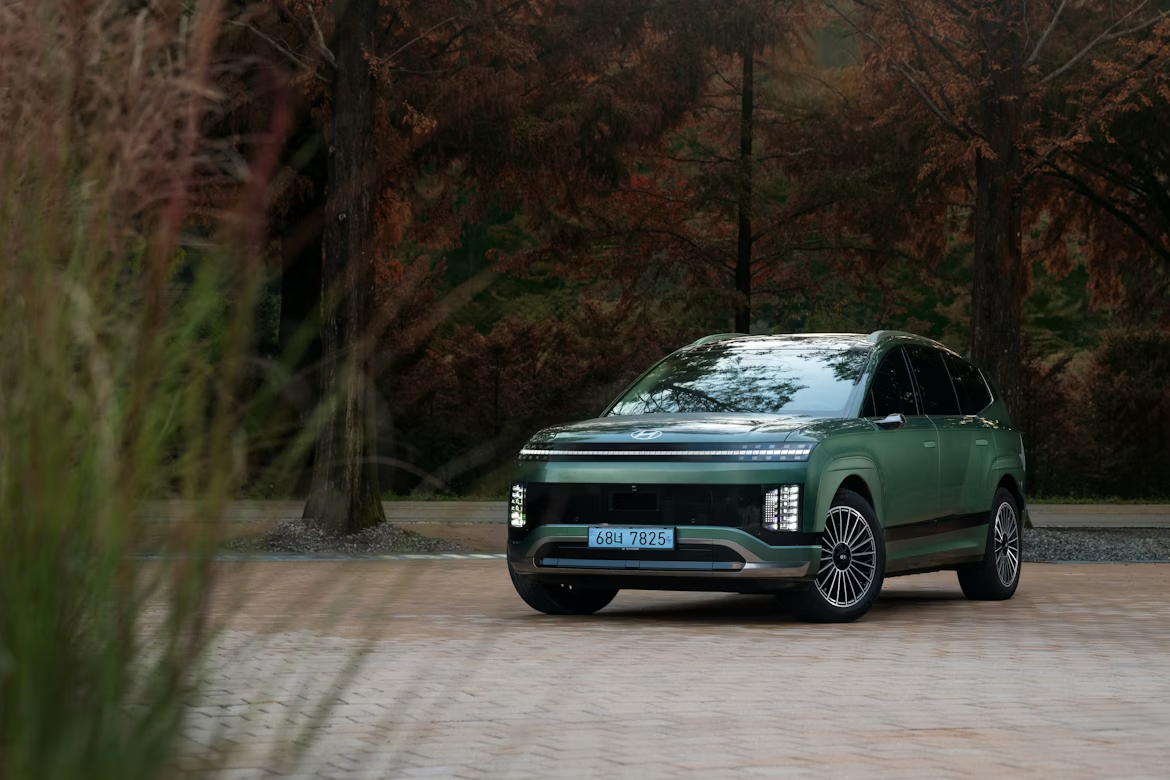

The recent increase in gas prices has stirred up new global interest in electric vehicles (EVs). Experts who look at energy markets see this as far more than a short-lived craze. It points to a fundamental change in the way we travel and how it ties into finances and eco-friendly ways of life. Electric vehicles operate using electricity stored in batteries that recharge easily. They change that energy into motion with electric motors. And these motors perform way better than the ones that burn gas or diesel inside. EVs do plenty for the environment, sure. But they also guard against wild changes in fuel expenses and dangers from international conflicts. With oil trade facing tough spots all over the world, the pull of reliable home-produced electricity gets bigger. If you are an expert, assessing EVs goes past just the gadgets. You need to examine how they help create tougher energy setups and the ongoing costs of moving from place to place.
The Economic Context Behind the Recent Gas Price Surge
Fuel prices never rise by themselves. They respond to a bunch of global and nearby pressures. And those pressures flow out into delivery paths and daily habits of folks.
Global and Regional Factors Influencing Fuel Prices
Strains from world politics have always ranked high as causes for unstable oil trades. Wars in major spots where oil comes from cut back on what’s available. That pushes the cost of basic oil higher. Issues along delivery routes pile on the problems. Take plant stoppages or jams in transport routes, for instance. They make the situation even harder. Countries that rely heavily on oil from other lands find it tougher when their own currency weakens. It jacks up the price of oil sold in dollars. Demand swings with the seasons count as well. Folks burn more fuel come summer for road trips or winter for warmth. Such spikes load up the refineries that process crude. In turn, that causes sudden price hikes. And those hit the pumps where drivers fill up.
Short-Term vs. Long-Term Price Volatility
Gas price swings usually stick to certain cycles. Bets in the market and decisions by officials mold those cycles. History shows sharp rises that ease off over time. Makers ramp up output, or users cut back, leading to a slow drop. However, wagers on coming prices in deal markets drag out the chaos past actual shortages. Officials jump in sometimes. They release backup oil stocks or tweak fuel levies. Such moves settle things briefly. But they rarely tackle the root causes. With time, these constant fluctuations alter driving habits. People opt for tinier rides. They skip optional journeys. Others eye switches to things like electric vehicles. And that protects against jolts from buried fuels.
Evaluating Electric Vehicles as a Strategic Response
As gas rates shoot up, electric vehicles pop up as a clever answer to cash strains. They serve more than green goals alone.
Cost Comparison Between EVs and Internal Combustion Engine Vehicles
Owning an EV fully now lines up quite near with standard autos in total expense. Factor in buy rebates and cut-down running fees, and it evens out. Initial buys run pricier for lots of kinds owing to battery outlays. Savings pile on though as you drive. No need for oil refreshes or tailpipe fixes. Power for a mile runs cheaper besides. State aids, such as duty cuts, slash the first cost by heaps. The way cars lose worth shifts now. Past worries over fast fade-outs have dimmed. Demand for pre-owned EVs swells. Faith in battery endurance has built up.
Energy Efficiency and Operational Economics
EV drive setups shift above 80 percent of electric juice to wheel action. Gas burners manage near 20 percent. That wide gap in performance yields true cuts per distance traveled. Charge fees hinge on your spot and power rate plans. Plans that vary by hour make night home plugs budget-friendly. Quick public plug-ins bill extra per power unit. Yet they still top gas for equal trips. Daily commuters with home plugs see fees plunge. Add roof sun sheets for partial juice, and it drops more. Across the ride’s full span, those gains stack high.
Technological Maturity of Electric Vehicles
EV know-how has advanced swiftly over the past decade. It sorted out prior hassles like fears of short trips and scarce plug points.
Advances in Battery Technology and Range Improvements
Lithium-ion battery units have improved in packing extra energy. Price per energy unit fell over 80 percent from 2010. Fresh solid-state versions might pack denser. Plus, they look more secure and fill faster. Stronger storage means builders can push trip lengths further. They avoid extra bulk too. This aids smoother rides. Still, hurdles remain. Sourcing items like lithium and cobalt sparks frets over reliable flows and eco damage. Reuse methods for worn units must expand. That way, they manage discards properly at close.
Charging Infrastructure Development Trends
Quick-charge sites multiply fast across North America, Europe, and Asia. Plenty deliver 150 kW plus now. You gain 200 miles in half an hour that way. Ties to green sources like solar grow usual. Solar-fed points trim grid pollution. They steady local power pulls too. Yet wider EV use poses fresh strains on lines. Rush hours for plugs might bog down area nets. Clever tools to schedule fills ease that. They align pulls sans overload.
Environmental Implications of Transitioning to Electric Mobility
Switching gas-burners to electric runners brings varied impacts on our surroundings. Those stretch beyond exhaust puffs.
Lifecycle Emissions Analysis: EVs vs Conventional Vehicles
Full-cycle checks prove EVs emit less planet-heating gas than gas cars. Spread build fumes over average miles, and it sticks. Gains vary by local power sources. Coal-based zones score slimmer perks. Wind, sun, or atom-powered spots notch deeper drops. Cleaner nets with added wind and sun boost EV leads sharply.
Resource Extraction and Sustainability Concerns
Battery builds demand deep mining for lithium, cobalt, nickel, plus extras. Critics fault it for wildlife harm and worker perils. Sector counters with sharper recycle tricks. They reclaim up to 95 percent of core bits from old packs. Fair-source drives map origins clear. They guard human standards. Thus, it lessens links to resource-hot zones sparking global rubs.
Market Dynamics Driving EV Adoption Amid High Gas Prices
Fuel rate climbs hasten habit tweaks. Without steep tags, such turns might drag years.
Consumer Behavior Shifts in Response to Fuel Cost Increases
Gas needs hold firm short-term. Work commutes resist quick shifts. High tags lingering prompt rethink at new-ride buys though. Pump shock sends eyes to electric vehicles. Savers and fixed rates appeal. Power costs creep, unlike daily gas hops. Mindsets count. Doubts on reach flip to eagerness. Friend tales and growing plugs fuel that.
Policy Measures Accelerating the Transition to Electric Mobility
World heads roll firm policies wedding emission aims to EV pushes. No-fume rules nudge auto firms to widen electric lines. Public funds erect plug routes nation-wide. They join towns to backlands. Perk schemes for builders scale output sans profit dips. Balance keeps trade sound for enduring shifts.
Long-Term Strategic Outlook for Energy Transition in Transportation
Electric rides meshing with vast power webs crafts future-proof finance paths.
Integration of EVs into Broader Energy Systems
Vehicle-to-grid (V2G) gear bids idle EVs return juice at peak calls. Vast fleets might firm up sun-wind loaded webs. Such inputs flux. Auto, utility, and tech crews link arms. They craft safe tie-ins for masses. User ease stays key.
Economic Resilience Through Diversified Energy Sources
Slimming foreign fuel leans fortifies nations. It buffers cash from trade bans or rate battles. Electric turns aid near power via wind lots or group sun rigs. They plug straight to ride needs. Long view, variety forges toughness. Earth and wallet win. Home-based work and fresh thoughts bloom in clean build fields.
FAQ
Q1: Why do gas prices fluctuate so much?
A: Prices vary due to crude oil supply disruptions, currency movements, seasonal demand peaks, and speculative trading activities that amplify short-term shifts.
Q2: Are electric vehicles really cheaper over time?
A: Yes, when factoring lower maintenance needs and stable electricity costs alongside incentives that cut purchase prices substantially.
Q3: How long do modern EV batteries last?
A: Most current lithium-ion packs retain around 80% capacity after eight to ten years thanks to improved thermal management systems.
Q4: Does driving an EV always reduce carbon emissions?
A: The benefit depends on your region’s electricity mix; areas powered largely by renewables yield far greater emission reductions than coal-heavy grids.
Q5: What’s holding back faster EV adoption globally?
A: Barriers include upfront cost differences in some markets, limited fast-charging coverage in rural zones, and ongoing concerns about raw material sustainability.