
Electric vehicles (EVs) are no longer just a special choice for people who care about the environment. They stand at the center of a big change around the world. This change connects cars, energy markets, and the stability of power grids. As batteries get better and places to charge grow more, EVs turn into more than simple cars. They become moving energy tools that can hold, share, and even sell power. For people who watch how energy systems grow, the mix of EV use and updates to the grid is one of the biggest steps in many years. Picture each car hooked up to a charger as both a user and a possible giver in the coming spread-out energy world.
The Intersection of Electric Vehicles and Grid Stability?
The link between electric vehicles and the power grid is tricky but full of promise. EVs add to the need for power. At the same time, they offer a way to supply power that can help keep systems steady when things get tough. As many cars plug in each day, their total power-holding ability brings fresh ways for grid managers to match making power with using it.
Electric Vehicles as Dynamic Grid Participants
Electric vehicles pull in power to fill their batteries. But they can also send back the power they hold to the grid. This two-part job sets them apart from usual users like home tools or factory machines. Two-way charging tech, often called V2G or vehicle-to-grid systems, makes this back-and-forth possible. Still, to make it work well, we need strong digital setups, rules that help, and market plans that pay for being flexible, not just for making lots of power.
The Concept of Vehicle-to-Grid (V2G) Technology
V2G technology lets EVs give out stored power back to the grid when people need it most. When you group many cars together, they create a spread-out storage system. This system can help with keeping the power steady or cutting down high-use times. Quick talks between cars and power companies make sure the power goes out right when it’s needed. This keeps the power level even without people stepping in.
Groups of EV cars can work like fake power plants, or VPPs. They send out stored power in smart ways based on what the market says or when the grid feels strain. For example, in hot summer times when cooling units push up the need for power, a group of 100,000 linked EVs could together cut down on big amounts of use. This eases the load on power lines and plants that burn old fuels for quick help.
Economic Opportunities for EV Owners
The money part of this change is just as interesting. As V2G plans grow, owners of EVs can find new ways to make cash by joining in energy markets or programs from power companies.
Revenue Streams from Grid Participation
When you let your car’s battery send power back to the grid in busy times, you turn into a seller of energy. Power companies often give good pay for this help. It stops them from using costly quick-power sources or facing outages. Some plans also pay people for extra help like keeping power steady or supporting power flow. Pay ways change by place. For instance, test rates in California differ from those in Japan or Denmark. But the main idea stays the same: cars that move can make money when they sit still.
Factors Influencing Profitability for Vehicle Owners
How much money you make depends on a few things. These include power prices in your area, how fast the battery wears out, how often you join in, and how the program is set up. Using the battery a lot with full drains might speed up damage to the lithium-ion parts. So now, clever plans control the uses to keep the battery healthy over time while making the most money. Changes in power prices matter a lot too. In places with prices that shift fast, like Texas or some spots in Europe, quick jumps in cost can make joining V2G very worthwhile.
Technical Foundations Enabling Grid Support Through EVs
Every good V2G setup relies on solid tech. This includes hardware that works well and common ways to share info. These keep data safe and actions smooth.
Advances in Bidirectional Charging Infrastructure
New fast chargers that work both ways are moving from test runs to real use. These chargers fill batteries quick. They also send power back at good speeds when the grid asks. Rules like ISO 15118 set how cars safely share info with chargers and power companies. This covers checks on who you are, price deals, and orders to act. But problems still exist. Ways different makers’ systems work together often slow down big growth in many areas.
Role of Smart Grids and Digital Platforms
Smart grids with small sensors and smart thinking tools bring together many spread-out items. These include sun power sheets, home power holders, and now electric vehicles. They keep things even as they change. Smart plans guess high-use times well before they come. Then they set when cars should send power. Some new thinkers look at trade spots using blockchain. Here, single car owners can deal straight with local grids or others nearby without middle help. This gives a look at coming spread-out energy worlds.
Implications for Energy Markets and Utilities
With millions of moving storage units joining in, the way power markets work changes at the base level.
Integration of Distributed Energy Resources into Market Structures
Groups of EV batteries can join big markets through fake power plant ways that gather power from homes or car groups. To use this fully, rule makers need to update old rules made for main power makers. This lets small players trade easy across places. In the future, market plans will likely pay for being able to change fast. That means shifting use or supply right away, not just for making a lot of power.
Utility Adaptation to Bidirectional Energy Flows
Old power companies built for one-way power must think again about their ways of working. They face two-way power from many tiny storage spots. Instead of just selling units of power, they might grow to offer help with changing flows or roles in linking things. Price plans that shift already show up in Europe. They push drivers to fill up when sun or wind makes extra power. And to send it out when there’s not enough. This turns private cars into shared tools that make the whole system stronger.
Environmental and Systemic Benefits of EV-Based Grid Support
Besides money, there’s a stronger reason for the environment. Using EV batteries as spread-out storage helps mix in new power sources. It also cuts down on backup power that makes dirty air.
Enhancing Renewable Integration Through Storage Flexibility
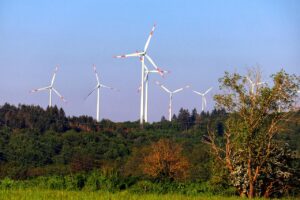
When wind machines make too much at night or sun fields give extra in the middle of the day, that extra power often goes to waste. This happens because there’s not enough place to store it. Linked EVs can take in this extra without harm. Then they let it out later when people need more after the sun goes down. This moving of power over time makes new power sources work better. It does so without building expensive fixed storage or plants that use old fuels for backup.
Reducing Stress on Transmission Infrastructure
Sending power from parked electric vehicles right in the area cuts down jams in big power paths. It meets need in the neighborhood straight at the spot. This spread-out help lowers the push for new big power lines. At the same time, it makes power levels steadier in city setups. It’s a quiet but strong way to help the whole system stay reliable.
Policy, Regulation, and Standardization Challenges
Even with tech ready in many spots, rule areas fall behind how fast new ideas come.
Current Regulatory Barriers to V2G Implementation
In many places, there’s no clear plan yet. It should say how spread-out storage people get paid or taxed for power deals. Link-up rules differ a lot between states or lands. This makes trouble for car groups that work across borders. Sharing data all the time between cars and power companies also brings worries about keeping info private. Leaders must fix this with open rules on safe tech before big use starts.
Pathways Toward Scalable Deployment Models
To go ahead in a good way, governments could pay for test runs. These would link V2G help right with goals to mix in new power. For example, team school bus groups with small sun power setups when not in use. Rewards should match what users gain with bigger system goals. Not just quick help money. Working together among car makers, program builders, power companies, and rule setters will be key. They need to make one set of rules for smooth big growth everywhere.
Future Outlook: From Mobility Assets to Energy Assets
As more transport types go electric, from small cars to big trucks, the split between moving setups and power setups fades more.
Evolution Toward a Decentralized Energy Ecosystem
Each car turns into a smart spot in a huge spread-out web. Here, power moves based on what’s needed right now, not set orders. This mix of car power changes and smart grids changes old lines between fields. Car makers act more like power groups. Power companies look at team-ups with moving services.
Strategic Considerations for Industry Stakeholders
Makers of next EVs must build batteries that last through many uses. They should not lose driving distance or promise cover. Power companies will need digital tools to handle millions of tiny items at once. This works under different weather or times. It’s a big job with data, but also a chance to lead in new ways. Money putters might see good gains funding link-up spots. These can make money from change services across areas once rules get clear.
FAQ
Q1: How can electric vehicle owners earn money from the grid?
A: By participating in V2G programs where stored battery energy is sold back during high-demand periods through utility partnerships or aggregation platforms offering revenue-sharing models.
Q2: Does frequent V2G use damage an EV battery?
A: Controlled discharge cycles managed by smart software minimize degradation by limiting depth-of-discharge levels within manufacturer-specified thresholds.
Q3: What role do utilities play in integrating EV-based storage?
A: Utilities coordinate charging schedules via smart grids to balance supply-demand fluctuations while developing dynamic tariffs encouraging participation during optimal times.
Q4: Are there existing large-scale V2G projects today?
A: Yes; countries like Denmark and Japan operate commercial-scale pilots where thousands of connected vehicles provide frequency regulation services daily.
Q5: What policy actions could accelerate adoption?
A: Clear compensation frameworks for distributed resources, harmonized interconnection standards across regions, cybersecurity guidelines protecting user data integrity, plus targeted incentives aligning consumer behavior with national decarbonization goals.