
Solar energy offers a useful option for city people. They can make clean power without a roof setup. Balcony systems, known as “plug-in solar systems,” stay small. Yet they produce useful electricity for home needs. These setups use sunlight with photovoltaic (PV) cells. The cells turn light into electrical flow. In flats or tall buildings with little outside space, such systems cut part of your power use from the grid. This lowers your monthly costs. Before you spend money, you need to understand the basic science and tech of solar power. You also should see how it fits small balcony units. This guide looks at the science, setup design, rules, and money side. It helps you check these points well.
Understanding the Fundamentals of Solar Energy for Balcony Installations
Balcony solar systems use the same basic rules as big roof setups. But they need careful planning because of space limits and direction issues. How well they work depends on panel type. It also relies on weather factors like sun angle and shadows.
The Science Behind Solar Energy Conversion
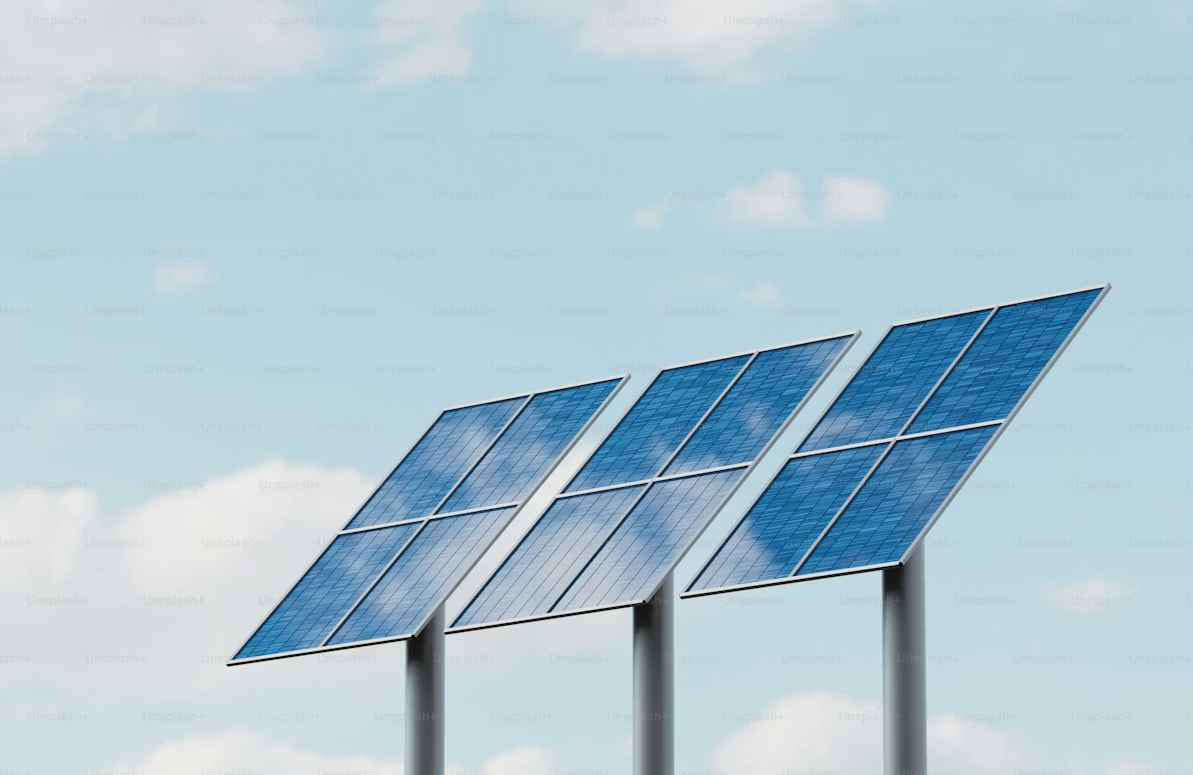
Photovoltaic (PV) tech turns sunlight into power. It uses materials like silicon that conduct partly. When light hits the PV cell, it frees electrons. These electrons move through a wire outside, making direct current (DC). Monocrystalline panels give better results. They reach 18–22% efficiency thanks to their even crystal build. Polycrystalline panels cost less. But they give a bit lower efficiency at 15–17%. Thin-film panels bend easily and weigh little. However, they work less well overall. This makes them good for bent or upright balcony spots. There, looks count more than top power.
Sun strength and how light hits matter a lot for power output. Panels that face south in the north half of the world get the most sun all day. Small shifts in angle, like from 30° to 45°, change yearly output a lot. This depends on your area’s place on Earth.
Key Components of a Balcony Solar System
A common balcony solar unit has PV panels, microinverters or DC optimizers, mounting brackets, wiring, and safety tools. Microinverters change DC from each panel to alternating current (AC) right there. This helps when some shade covers parts. Shade often happens on balconies from rails or close buildings that block sun for hours. Mounts must fit upright or half-upright spots. They need to hold tight against wind. At the same time, they allow air flow to keep things cool.
Linking to power is simple in many plug-in types. You connect them straight to a wall plug with a safe inverter. The inverter matches your home power. But bigger systems might need expert wiring to a special line. Or they may ask for okay from your power company.
Technical Considerations Before Installation
Before you put solar gear on your balcony, check several body and power factors. Do this with care. If you skip them, output may drop. Or you could face building risks.
Assessing Structural Suitability of the Balcony
Balconies differ much in how much weight they hold. A usual glass and metal rail might not carry heavy panels plus fixings well in big winds. Check your building papers. Or talk to an engineer if the full weight goes over about 20–25 kg per square meter. Direction counts too. Balconies facing south get the best sun in most places. East or west ones make 70–80% of that power. This varies with your area’s weather info.
Shadows from floors above or close trees can cut work a lot. Even some block lowers power in linked cells. You must follow local build rules. Many towns see balcony PVs as short-term builds. But they still want notice or checks for fire safety.
Electrical Integration and Energy Management
Your home power lines must match the inverter size well. For instance, if your flat has a normal 230V AC with a 16A switch, adding many strong microinverters might overload it. Unless they fit the right level. Smart meters watch made power against used power right away. This lets you measure savings exactly.
For energy handling, you can send extra power back to the grid under net metering rules. Or store it near with small lithium-ion batteries, often 0.5–2 kWh. Sending to grid is easier on papers. But it needs power company okay. Batteries give power in cuts. Yet they raise start costs.
Regulatory, Legal, and Safety Aspects
Rules for small solar change by area. But they often help use through easy permit steps. Still, you must follow them for safe certs and help money.
Permits, Regulations, and Local Grid Policies
Some places let “plug-and-play” balcony systems up to 600–800W without full permits. This is if they meet power standards like IEC 62109 or VDE-AR-N 4105. Bigger ones usually need grid link okay from your power group. This stops back flow problems.
On money, small power plans like feed-in tariffs or net metering help costs. They pay for sent power at store prices. Check if your town gives back money or tax cuts for home solar. These can make pay back time much shorter.
Safety Protocols in Balcony Solar Installations
Safety starts with good part picks. Use wires okayed for outside sun rays and water-proof joins. These are musts. To stop fires, keep DC wires short. Avoid loose links that might spark under work. Put inverters away from burnable things. Give them enough air space, at least 10 cm as makers suggest.
Seal all join boxes from water to stop rust over time. This is key in wet areas where water builds behind panels. Ground each metal frame to cut shock risk in problems. Check things every few months. Tighten screws and clean dirt with soft soap. This keeps it working well for years.
Economic Evaluation of Balcony Solar Systems
Though smaller than roof ones, balcony systems cost money up front. They pay back slowly with lower power bills and possible helps.
Cost Breakdown and Return on Investment Analysis
Usual costs run $500–$1,200 per kilowatt put in. This depends on panel kind and inverter build. A simple two-panel unit might cost less than $1,000. That includes holds and wire sets. If it makes 400–600 kWh per kW each year on average, savings hit $100–$150 a year. This is at normal home rates.
Pay back time often lands at six to ten years. Factor in slow wear, about 0.5% each year. Roof setups get better big savings. But balcony ones start faster. They have a bit longer pay back because of small size against set costs like inverters.
Incentives, Subsidies, and Financing Options
Governments back small green power more now. They give money or tax breaks up to 30% of gear costs in some spots. Rent models exist too. Third groups put in gear with no start pay. They share made savings over time. This works if you lack cash at first.
City folks can look at group plans. Shared solar lets many renters in one building share costs. They make a group setup run by a power team.
Performance Optimization Strategies for Balcony Panels
Balcony spots bring special issues like small space and changing shadows all day. Smart choices in build can raise output much. Even with those limits.
Enhancing Efficiency Through Design Choices
Panel direction stays key. Movable holds let you change angle by season. This fits best sun in summer and winter when height changes. Two-sided modules grow in use. They catch bounced light from walls or ground behind. This raises total power up to 10%.
Put shiny covers under panels. Or use light floor colors on the balcony. These send soft light to back sides. It boosts daily power without more tools.
Monitoring, Maintenance, and System Upgrades
New web-linked watch tools let you see power lines per part on phone apps. So issues show early. Losses do not build without notice. Clean how often based on dirt. City balconies near roads may need monthly wash. Soot builds and cuts clearness by some percent if you skip.
Software fixes from inverter makers sometimes better track steps. This raises output a little each year. Pros like this. Small gains add up over many work hours.
FAQ
Q1: How much power can a typical balcony solar system produce?
A: Most residential balcony setups generate between 300–800 watts peak depending on panel count and orientation which translates roughly into 250–600 kWh annually under average sunlight conditions.
Q2: Do I need permission from my landlord before installing?
A: Yes if you rent your apartment because exterior modifications usually require landlord consent even when installations are reversible or temporary structures.
Q3: Can I use stored energy during blackouts?
A: Only if your system includes battery storage configured for off-grid operation since grid-tied microinverters automatically shut down when utility supply fails for safety reasons.
Q4: How long do balcony solar panels last?
A: Quality modules typically retain about 80% of rated capacity after 25 years though electronics like microinverters might need replacement after roughly ten years depending on usage cycles.
Q5: Is it possible to expand my system later?
A: Yes modularity is one advantage; you can add extra panels incrementally provided total power stays within approved limits set by local electrical regulations or socket ratings.