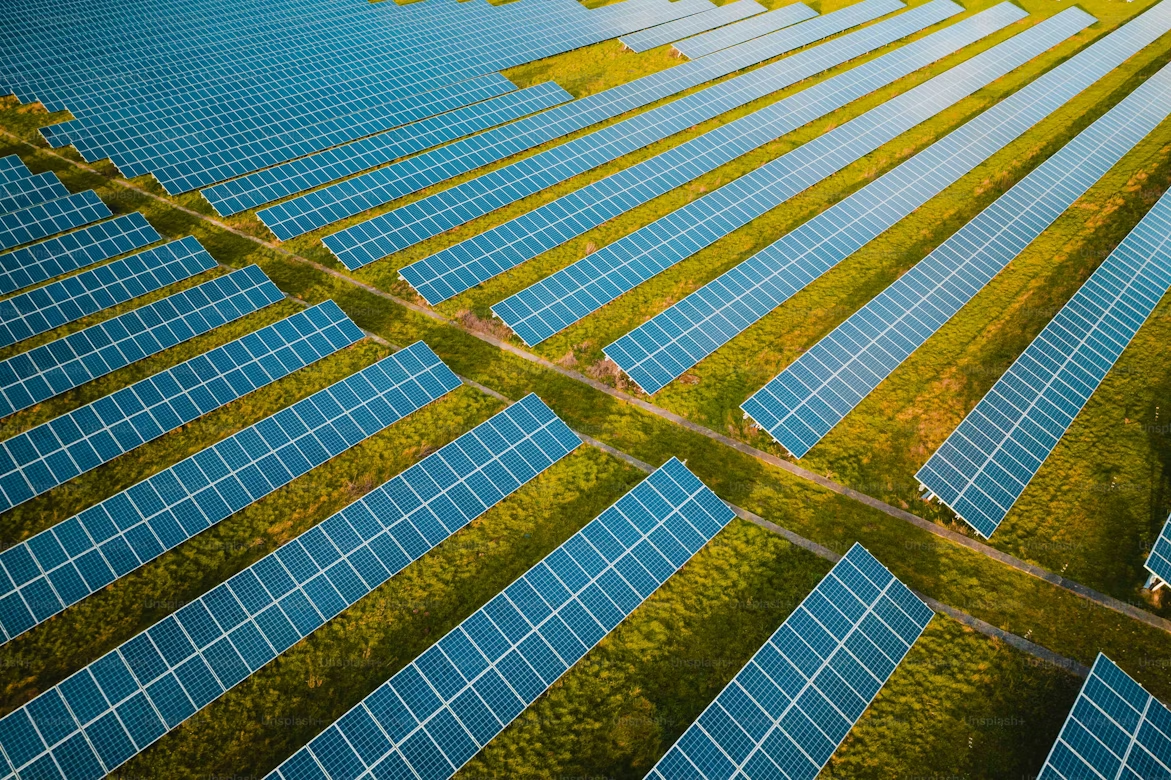

Solar energy serves as a key part of clean power production. It draws from sunlight to make electricity. You know that usual solar cells turn only a small part of incoming light into useful power. But new ideas in quantum physics and spintronics change this picture. Experts now look at “spin-flip” systems. These are quantum ways that might raise conversion rates above what old physics thought was the top limit. This is not just a dream. It is real work where material science joins quantum rules. The goal is to change how well we capture solar energy.
Understanding the Concept of Solar Energy Efficiency
The notion of efficiency in solar energy means more than just power made. It shows how well a cell grabs and turns photons into electrons. When you check photovoltaic work, two ideas count: the top possible efficiency and the real output.
Defining Photovoltaic Efficiency in Theoretical and Practical Terms
Efficiency means the share of electrical energy out compared to solar energy in. In standard silicon-based cells, this share tops at the Shockley–Queisser limit—around 33%. This top point comes from basic semiconductor rules. A photon lifts an electron past the bandgap. Then, extra energy turns to heat, not electricity. Quantum mechanics shapes this. It controls how electrons take in, give out, and pass energy in the crystal structure. For builders, this limit sets what works now. It also shows what needs new ways to beat.
Revisiting the Shockley–Queisser Limit and Its Implications
The Shockley–Queisser limit comes from two big loss paths. One is thermalization, where high-energy carriers drop extra energy as heat. The other is non-absorption, where low-energy photons go through without being caught. To go beyond this edge, experts suggest paths like tandem cells. These stack layers with different bandgaps. There is also multiple exciton generation (MEG). In MEG, one photon makes more than one electron-hole pair. Hot-carrier extraction happens before thermalization too. Lately, spin effects add to the talk. By guiding electron spin states in excitation and recombination, workers can change carrier life spans. They might make more charge per caught photon than once believed.
The Physics Behind Spin Flip Systems in Solar Energy Conversion
Spin flip systems mix quantum physics with material building in an exciting way. They use the built-in angular momentum—or spin—of electrons. This affects how excitons build, divide, or join again in photovoltaic stuff.
Fundamentals of Electron Spin Dynamics
Each electron has a spin state—up or down. This shapes its magnetic pull and links with close particles. In photovoltaic materials, these spin states decide how easy it is for electrons to split from holes after light stirs them. If spins line up well, recombination slows. If not, charge carriers end each other quick. You can shift spins with outside magnetic fields or made interfaces. This controls carrier movement and stretches exciton life. The idea pulls from spintronics work in storage tools. But here, it fits solar turning for better rates.
Mechanism of Spin Flip in Photovoltaic Materials
A spin flip happens when an electron’s spin turns around from magnetic or light changes. In some organic semiconductors or tiny structures, this turn opens fresh paths for relaxation. It lets one high-energy exciton divide into two lower-energy triplet excitons. This process is called singlet fission. Each triplet can then help make current on its own. Quantum dots show like acts under set excitation. There, trapped electrons go through linked spin shifts. This leads to multiple exciton events per caught photon.
Quantum Mechanical Basis for Surpassing 100% Efficiency
When experts speak of “100% efficiency” here, they mean internal quantum efficiency. This is the count of charge carriers made per caught photon. Not the heat limit. With ways like singlet fission or MEG helped by spin flips, one photon can make two or more electron-hole pairs. So, internal rates over one are possible in theory. Yet, full device efficiency—power out against light in—stays held by other losses. Think resistance or bad contacts.
Material Innovations Enabling Spin Flip Systems
To make these quantum acts work in real life, experts design materials that back spin shifts. They do this without losing strength or easy making.
Organic Semiconductors with Singlet Fission Properties
Some organic molecules show singlet fission on their own. Pentacene is a clear case. When sunlight excites it, one high-energy singlet exciton breaks into two triplets. Each has half the start energy. But they offer double the chance for carriers. The hard part is lining up molecular crystals just right. That way, triplet move happens well between close units. Even tiny mess can stop this. It traps spins or lets non-light decay paths form.
Quantum Dots and Nanostructured Materials for Spin Control
Quantum dots give great hold over electronic states. This comes from their tiny size trap effects. By changing size or makeup, you set how spins link in tight spots. Surface covers keep steady times long enough for charge pull-out. This happens before mix-up starts. Builders often add these tiny bits on top of regular silicon layers. They make mixed setups. These catch both high- and low-energy photons better than one-layer cells.
Role of Magnetic Interfaces and Spin-Orbit Coupling Effects
Magnetic edges offer another path to shift spins right at material lines. When a magnetic layer touches a semiconductor catcher, it sets local spin bias. This boosts pick paths for electrons over holes. Materials with strong spin-orbit coupling, like lead halide perovskites, make these stronger. They tie orbital moves with spin match. This key for good push across layers. It cuts big scatter losses.
Experimental Evidence and Measurement Techniques
Lab tests start to prove these idea guesses. They use top light tools that spot very fast acts at tiny time scales.
Methods for Detecting Spin Flip Processes in Solar Cells
Workers use time-resolved photoluminescence spectroscopy. It watches exciton build and fade right after light catch. Electron paramagnetic resonance (EPR) spectroscopy spots different spin groups in materials. It shows how they grow under light or magnetic pulls. Quick transient absorption ways add to this. They track carrier multiply acts in trillionth-second bits. These times matter to tell real MEG from heat tricks.
Reported Efficiencies Beyond Unity: Interpretation and Limitations
Tests show internal quantum rates over 100% in set lab setups. They use singlet-fission films or tiny quantum dots lit at choice waves. But outside power turn rates stay under heat limits. Other losses like light bounce or heat from resistance rule full work stats. To sort true carrier grow from light gain tricks, you need careful setup. Even small check errors can fake over-one signs.
Challenges and Future Directions in Spin-Based Photovoltaics
Good results on pages and in labs look bright. Yet, growing these into steady business tools is hard.
Stability and Scalability Concerns in Device Fabrication
Organic parts for singlet fission break down under steady sun. Photooxidation reactions snap molecular ties over time. Keeping steady spin line across big films adds hard work. Local flaws break even spread needed for same work. Big-make methods must keep chemical wholeness and crystal order at once. This is a hard mix, even with new put-down tools.
Integration with Existing Solar Technologies
A real way is to mix new quantum-active layers on top of tested bases like silicon or perovskite cells. This makes tandem setups. They share made carriers through best edges. Matching band fits between layers makes smooth move. It cuts recombine losses at joins. This design issue stays open. But many research teams around the world work on it now.
Prospects for Commercialization and Theoretical Expansion
More fine work on quantum models for linked-spin links could change how photovoltaic work gets judged. It shifts from old single-exciton views to multi-bit act study. Material jumps—specially steady organic-inorganic mixes—might link lab shows with makeable units soon. These fit roof use. They bring >100% internal yield near real market faster than doubters think.
FAQ
Q1: What does “efficiency beyond 100%” mean in solar cells?
A: It refers to internal quantum efficiency where more than one electron-hole pair forms per absorbed photon rather than total power conversion exceeding thermodynamic limits.
Q2: How do spin flip systems differ from regular photovoltaic devices?
A: They manipulate electron spins using magnetic or optical interactions enabling processes like singlet fission that multiply charge carriers per photon event.
Q3: Are there real-world examples achieving such efficiencies?
A: Laboratory prototypes based on pentacene films or lead chalcogenide quantum dots have shown internal yields above unity though full-scale modules remain experimental.
Q4: What challenges prevent commercialization today?
A: Material instability under sunlight exposure poor large-area uniformity control over spin coherence times all hinder practical deployment currently.
Q5: Could combining these systems with silicon panels boost performance?
A: Yes hybrid tandem designs pairing conventional absorbers with quantum-enhanced layers may significantly raise total output without drastic redesigns of existing infrastructure.