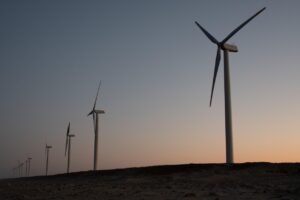

Defense Department Delays 54 Wind Projects in Texas, Citing National Security Concerns
Texas, long recognized as a powerhouse in wind energy, now faces a significant pause in its renewable expansion. The U.S. Department of Defense (DoD) has delayed 54 wind turbine projects across the state, citing national security concerns tied to radar interference and airspace safety. This decision underscores the growing tension between clean energy ambitions and defense imperatives. Experts see the delay not as an isolated bureaucratic hurdle but as a defining moment for how the United States integrates energy independence with operational readiness.
Overview of the Wind Turbine Project Delay in Texas
The delay of multiple wind projects in Texas highlights a structural conflict between rapid renewable growth and federal oversight mechanisms.
Background of the Wind Energy Expansion in Texas
Texas leads the nation in installed wind capacity, producing more than a quarter of U.S. wind-generated electricity. Its expansive plains and developed transmission networks have made it ideal for large-scale renewable deployment. Over the past decade, developers have invested billions into turbine installations stretching from the Panhandle to coastal regions. However, recent projects have hit regulatory bottlenecks due to federal reviews assessing their potential impact on defense operations.
The Department of Defense’s Involvement in Renewable Energy Projects
The DoD plays a critical role when energy infrastructure intersects with national security assets. Before approval, all major wind developments undergo scrutiny through interagency coordination channels that assess effects on radar systems, flight paths, and communication networks. Wind turbines can distort radar signals by reflecting electromagnetic waves, making it harder for defense systems to differentiate between aircraft and turbine blades. This overlap demands early coordination between developers and defense authorities.
National Security Considerations Behind the Delay
These delays stem from technical and operational risks that extend beyond simple administrative caution.
Radar Interference and Airspace Management Concerns
Wind turbines can create radar clutter that obscures or misrepresents aircraft movement within surveillance systems. For bases engaged in pilot training or missile detection exercises, such interference poses unacceptable risks. While mitigation technologies exist—such as adaptive radar filters—they remain under evaluation and are not yet universally deployed across military-grade systems.
Proximity of Wind Projects to Military Installations
Several proposed sites lie within or adjacent to restricted airspace zones used for low-altitude navigation or testing operations. The DoD assesses each project’s proximity using geospatial data models that simulate line-of-sight disruptions caused by turbine height and blade rotation patterns. When these overlaps occur near sensitive installations like Dyess Air Force Base or Fort Hood, project approvals are often withheld until risk assessments conclude satisfactorily.
Regulatory and Policy Framework Governing Energy Projects Near Military Sites
Balancing renewable expansion with national defense priorities requires an intricate regulatory framework spanning multiple jurisdictions.
The Role of the Siting Clearinghouse Process
The DoD Siting Clearinghouse serves as a centralized mechanism for evaluating potential conflicts between energy infrastructure and defense operations. It facilitates early engagement with developers to identify possible issues before construction begins. This process aims to preserve both national security integrity and clean energy growth targets by promoting technical solutions rather than outright prohibitions.
Federal and State Coordination Challenges
In Texas, where state policy traditionally favors market-driven energy development, federal intervention can appear intrusive. Overlapping jurisdictions among agencies—such as the Federal Aviation Administration (FAA), Department of Energy (DOE), and DoD—often slow decision-making timelines. Improved interagency communication remains essential to streamline approvals without compromising oversight quality.
Economic and Strategic Implications of the Delay
Beyond environmental goals, these delays carry tangible economic consequences for developers and investors alike.
Impact on Renewable Energy Investment and Development Timelines
Extended review periods increase project uncertainty, deterring capital inflows from institutional investors seeking predictable returns. Supply chain disruptions also follow when turbine orders are deferred or canceled mid-cycle. For example, component manufacturers face idle inventory costs while local contractors lose seasonal employment opportunities tied to construction phases.
Balancing Energy Independence with National Security Interests
Renewable expansion strengthens domestic energy resilience by reducing reliance on fossil imports. Yet unchecked development could inadvertently weaken defense readiness if installations obstruct surveillance or communication assets. A cohesive strategy aligning both objectives is necessary—one that integrates technical safeguards into early-stage design rather than post-construction retrofits.
Technological Solutions to Mitigate Security Risks from Wind Turbines
Innovation remains central to reconciling renewable development with military requirements.
Radar-Compatible Wind Turbine Technologies
Research collaborations between defense laboratories and private-sector manufacturers focus on reducing turbine radar signatures through composite materials and aerodynamic redesigns. Advanced signal-processing algorithms are also being tested to help radar systems distinguish turbine motion from genuine airborne targets.
Data Sharing and Predictive Modeling for Risk Assessment
Predictive modeling tools now simulate electromagnetic interactions before physical construction begins, offering developers insight into potential interference patterns early in planning stages. Enhanced data-sharing agreements between federal agencies and private firms improve transparency while enabling proactive mitigation strategies based on real-time analytics.
Broader Implications for U.S. Energy Policy and Security Strategy
The Texas case offers lessons applicable nationwide as America accelerates its clean energy transition amid evolving geopolitical threats.
Lessons for Future Renewable Infrastructure Planning
Integrating security assessments into environmental review processes at inception can prevent costly redesigns later on. Early stakeholder engagement—including local governments, utilities, and military representatives—reduces friction during permitting phases while improving public trust in project viability.
Integrating Defense Considerations into National Energy Transition Goals
Defense compatibility must become an embedded criterion within national renewable frameworks rather than an afterthought triggered by objections late in development cycles. Cross-sector collaboration ensures sustainable growth without undermining strategic deterrence capabilities—a balance essential for long-term national resilience.
FAQ
Q1: Why did the Department of Defense delay 54 wind projects in Texas?
A: The delays were due to concerns about radar interference, flight safety risks, and proximity to military training areas that could compromise operational readiness.
Q2: How do wind turbines interfere with military radar?
A: Turbines reflect radar signals unpredictably because their rotating blades mimic aircraft movement patterns, leading to false readings or signal clutter on surveillance systems.
Q3: What is the DoD Siting Clearinghouse?
A: It is an interagency body that reviews proposed energy projects near military sites to identify potential conflicts early and recommend mitigation measures before construction approval.
Q4: Are there technologies available to reduce radar interference?
A: Yes, ongoing research explores stealth materials for turbine blades and algorithmic filtering methods that allow radars to distinguish turbines from real airborne objects more accurately.
Q5: How might these delays affect Texas’s renewable goals?
A: Prolonged reviews could slow investment momentum temporarily but may ultimately lead to more resilient project designs compatible with both state energy objectives and federal security standards.