

Massachusetts Court Rules In Favour of Vineyard Wind
The Massachusetts federal court’s decision to uphold approvals for the Vineyard Wind project marks a defining moment for U.S. offshore wind. The ruling removes key legal barriers, confirming that both federal and state agencies acted within their authority when granting permits. For wind ge and other turbine manufacturers, it signals regulatory stability and opens pathways for expansion in the American offshore market. The judgment strengthens investor confidence, aligns with national clean energy goals, and sets a precedent that could accelerate future coastal developments.
Overview of the Massachusetts Court Decision on Vineyard Wind
The court’s decision represents not only a legal victory but also an affirmation of policy direction. It clarifies how environmental reviews and agency coordination can coexist with large-scale renewable deployment.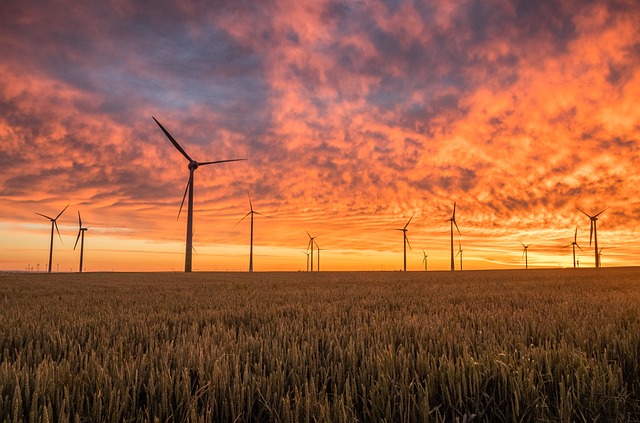
Key Details of the Court Ruling
The dispute centered on whether federal regulators, including the Bureau of Ocean Energy Management (BOEM), adequately assessed environmental impacts under the National Environmental Policy Act. The court found that BOEM’s review met statutory requirements and that project opponents failed to prove procedural violations. This reasoning reinforces judicial support for comprehensive but balanced environmental oversight. The outcome removes uncertainty for developers planning similar projects along the Atlantic coast.
Implications for Offshore Wind Development in Massachusetts
With this decision, Massachusetts retains its leadership role in U.S. offshore wind. The state’s goal to procure 5,600 MW by 2027 now appears more achievable. Local ports like New Bedford are positioned to become central logistics hubs, while regional supply chains gain renewed momentum. The ruling effectively signals that well-documented environmental compliance can withstand judicial scrutiny.
How This Ruling Aligns With Federal and State Renewable Energy Objectives
The Biden administration has targeted 30 GW of offshore wind capacity by 2030, while Massachusetts’ policies emphasize decarbonization through offshore generation. By upholding Vineyard Wind’s permits, the court aligns state ambitions with federal climate commitments under the Inflation Reduction Act and related executive orders promoting clean infrastructure investment.
Regulatory and Policy Context
The regulatory framework governing offshore wind is complex, involving overlapping federal statutes and state-level procurement mandates. This case clarifies how those layers interact in practice.
Overview of Massachusetts’ Offshore Wind Policy Framework
Massachusetts established procurement targets through successive energy legislation requiring utilities to secure long-term contracts from offshore projects. These policies incentivize early-stage investments in port upgrades, workforce training, and transmission planning—laying groundwork for projects like Vineyard Wind 1 and future phases.
The Role of Federal Agencies Such as BOEM in Project Approvals
BOEM oversees leasing and permitting for offshore developments on the Outer Continental Shelf. Its environmental impact statements assess marine ecosystems, fisheries, navigation safety, and cultural resources before granting construction approval. Coordination with NOAA Fisheries and the U.S. Army Corps ensures compliance with both wildlife protection laws and maritime regulations.
Legal Precedents Set by This Decision for Future Offshore Wind Projects
This ruling establishes that comprehensive interagency reviews can satisfy judicial expectations even amid competing stakeholder claims. Future developers may rely on this precedent when defending their permits against challenges related to cumulative impact assessments or endangered species considerations.
Vineyard Wind’s Strategic Position in the Offshore Wind Sector
Vineyard Wind’s progress demonstrates how early entrants can shape industry standards while navigating regulatory complexity.
Project Scope and Development Milestones
Vineyard Wind 1 is located about 15 miles south of Martha’s Vineyard with a planned capacity of 806 MW—enough to power over 400,000 homes. Construction began in 2022 following financial close, with full operation expected by 2024–2025. Transmission cables will connect to Cape Cod via an onshore substation at Barnstable.
Current Stage of Construction and Expected Operational Timeline
As of mid-2024, foundation installation continues alongside turbine component deliveries staged through regional ports. Electrical infrastructure testing is underway to meet grid interconnection timelines managed by ISO New England.
Partnerships, Contractors, and Supply Chain Participants Involved in the Project
Key contractors include DEME Offshore for installation services and Prysmian Group for subsea cabling. Domestic suppliers contribute steel fabrication and crew transfer vessels under local content agreements encouraged by state policy incentives.
Economic and Environmental Impact Projections
Economic modeling shows substantial benefits across multiple dimensions once Vineyard Wind becomes operational.
Expected Contribution to Regional Energy Supply and Carbon Reduction Goals
At full capacity, Vineyard Wind will displace roughly 1.6 million tons of CO₂ annually compared to fossil generation—a meaningful contribution toward Massachusetts’ net-zero target by 2050.
Job Creation and Local Economic Benefits From Project Execution
Construction activities are projected to support over 3,600 full-time equivalent jobs across trades such as electrical engineering, marine operations, and logistics management. Local businesses benefit from secondary spending linked to port retrofits and vessel services.
Environmental Mitigation Measures Integrated Into Project Design
Developers adopted adaptive management measures including seasonal restrictions on pile driving to protect North Atlantic right whales and continuous acoustic monitoring systems during construction phases.
Assessing GE’s Role in the Vineyard Wind Project
GE Renewable Energy plays a crucial technological role within this landscape through its advanced turbine systems designed specifically for challenging marine conditions.
GE’s Offshore Wind Technology Portfolio
GE’s Haliade‑X platform features capacities up to 14 MW per unit with rotor diameters exceeding 220 meters—among the largest globally available turbines today. Its direct-drive generator design reduces maintenance frequency while improving efficiency under variable wind profiles typical of U.S. coastal zones.
Comparative Analysis With Competing Turbine Manufacturers in Terms of Efficiency, Scale, and Reliability
Compared with Siemens Gamesa or Vestas offerings in similar power classes, Haliade‑X delivers higher annual energy output per foundation due to its larger swept area. Reliability metrics tested under IEC certification confirm performance consistency across diverse sea states.
Adaptation of GE Technology to U.S. Offshore Environmental Conditions
GE engineers adapted nacelle housing materials for corrosion resistance suited to Atlantic saltwater exposure while integrating digital monitoring systems compatible with domestic grid requirements set by IEEE standards.
GE’s Existing Contracts and Partnerships With Vineyard Wind
Collaborations between wind ge divisions and project developers illustrate how technology suppliers integrate into broader value chains driving renewable expansion.
Details of Any Confirmed or Potential Supply Agreements Between GE and Vineyard Wind Developers
GE has been shortlisted as a potential turbine supplier for subsequent phases beyond Vineyard Wind 1 following successful demonstration projects using Haliade‑X prototypes off Block Island and New York Bight leases.
Strategic Importance of These Contracts for GE’s Renewable Energy Division
Securing contracts within early-stage U.S. markets positions wind ge as a domestic manufacturing anchor capable of scaling production through facilities like its nacelle assembly plant in New York State.
Potential Expansion Opportunities Arising From Successful Project Execution
Proven performance at Vineyard could open bidding advantages across upcoming solicitations from Connecticut, Rhode Island, or New Jersey utilities seeking high-capacity turbines aligned with local sourcing mandates.
Financial and Market Implications for GE Renewable Energy (Wind GE)
Financial outcomes hinge on both project execution success and broader market dynamics shaped by policy continuity after this legal confirmation.
Revenue Growth Prospects From Offshore Wind Expansion
A favorable court environment enhances prospects for wind ge revenue streams via turbine sales exceeding several billion dollars annually as more East Coast states issue procurement rounds supported by long-term power purchase agreements.
Projected Revenue Streams From Turbine Sales, Maintenance, and Service Contracts
Beyond initial hardware sales, service contracts spanning two decades provide recurring income tied to performance-based maintenance schedules monitored through digital analytics platforms developed within GE Digital units.
Long-Term Growth Potential Tied to State-Level Renewable Mandates
State renewable portfolio standards continue expanding demand certainty; thus wind ge benefits from predictable order pipelines necessary for scaling domestic component production lines efficiently.
Investor Sentiment and Stock Market Reactions
Stable policy environments often translate into favorable market evaluations when corporate strategies align with public investment trends toward clean energy infrastructure financing.
Analysis of How the Court Decision May Influence Investor Confidence in GE Renewable Energy
Institutional investors interpret this ruling as validation that regulatory risk is diminishing within U.S. offshore markets—encouraging capital inflows toward OEMs like GE positioned at early commercialization stages domestically.
Correlation Between Policy Stability and Capital Inflows Into Wind Infrastructure Projects
Historical data from IEA reports show that jurisdictions offering clear permitting frameworks experience faster cost reductions per installed megawatt due to financing efficiencies derived from reduced perceived risk premiums.
Impact on GE’s Valuation Within the Broader Renewable Energy Sector Landscape
Analysts forecast incremental valuation gains within conglomerate portfolios emphasizing renewables diversification as part of long-term decarbonization strategies demanded by ESG-focused shareholders globally.
Broader Implications for the U.S. Offshore Wind Industry
This case resonates beyond one project—it redefines expectations around how courts interpret environmental law relative to national energy transition imperatives.
Legal Certainty as a Catalyst for Industry Growth
Judicial clarity lowers transaction costs across financing structures since lenders can now model fewer litigation delays into project timelines—a critical factor determining bankability thresholds among large-scale infrastructure funds.
Potential Acceleration of Pending Offshore Wind Projects Along the Atlantic Coast
Several pending developments from New York Bight down to Virginia may now advance permitting stages faster given confidence drawn from this precedent regarding NEPA compliance adequacy assessments upheld by courts.
Influence on Public-Private Partnerships Supporting Clean Energy Infrastructure
Public authorities may expand grant programs supporting domestic manufacturing clusters knowing that foundational legal frameworks have proven resilient under judicial review processes similar to those applied here.
Competitive Landscape Among Turbine Manufacturers Post-Ruling
Competition remains intense but increasingly shaped by localized production commitments responding to federal incentives under domestic content provisions embedded within recent legislation packages encouraging supply chain reshoring efforts across renewables sectors including wind ge operations nationwide.
Strategic Outlook for Wind GE Following the Massachusetts Decision
For wind ge, strategic foresight involves balancing near-term execution excellence with positioning toward next-generation technology evolution cycles expected later this decade as floating wind emerges commercially viable along deeper continental shelf zones near California or Maine waters.
Opportunities Emerging From Policy Momentum in Offshore Wind
Regulatory validation encourages multi-state collaborations where utilities coordinate interregional transmission planning enabling larger aggregated procurement volumes benefiting OEM economies-of-scale advantages directly impacting wind ge competitiveness metrics globally.
Collaboration Prospects With Utilities, Developers, and Port Authorities for Future Projects
Joint ventures between turbine suppliers like wind ge, port authorities upgrading heavy-lift capacities at sites such as Salem Harbor demonstrate practical alignment between industrial policy objectives promoting local employment retention through sustainable manufacturing ecosystems.
Strengthening Domestic Manufacturing Capabilities To Support Large-Scale Deployments
Investments into blade fabrication facilities combined with workforce retraining initiatives ensure readiness once procurement volumes justify serial production runs consistent with ISO-certified quality management systems already implemented at existing plants.
Challenges That Could Influence Future Gains
Even amid optimism following favorable rulings certain structural hurdles persist affecting profitability trajectories across OEM segments operating within capital-intensive industries transitioning toward renewables dominance.
Supply Chain Constraints Affecting Turbine Component Availability or Logistics Costs
Global shortages impacting resin materials used in composite blades alongside port congestion issues could constrain timely delivery schedules unless mitigated via diversified sourcing strategies coordinated through regional supplier networks.
Competitive Pricing Pressures Amid Growing Global Demand for Offshore Turbines
As European markets mature price compression intensifies forcing manufacturers like wind ge continually refine cost structures without compromising reliability standards essential under IEC certification regimes governing turbine durability benchmarks worldwide.
Navigating Evolving Environmental Compliance Standards at State and Federal Levels
Future regulatory updates concerning marine biodiversity offsets or noise emission thresholds may require iterative design modifications adding incremental costs yet reinforcing sustainability credentials vital among institutional buyers prioritizing ESG alignment metrics.
FAQ
Q1: What was the main issue addressed by the Massachusetts court regarding Vineyard Wind?
A: The court examined whether federal agencies properly conducted environmental reviews before approving construction permits under NEPA guidelines; it concluded those procedures were lawful.
Q2: How does this ruling affect other offshore wind projects?
A: It sets a strong precedent validating current permitting frameworks which should accelerate approvals across other East Coast developments facing similar legal scrutiny.
Q3: What role does wind ge play in these projects?
A: Wind ge supplies advanced turbine technologies such as Haliade‑X models offering high efficiency suited for large-scale offshore installations planned along U.S. coasts.
Q4: How might investors view GE Renewable Energy after this decision?
A: Investors likely perceive reduced regulatory risk enhancing confidence in revenue stability from expanding offshore portfolios aligned with national clean energy targets.
Q5: What challenges remain despite this positive outcome?
A: Persistent supply chain bottlenecks global material costs fluctuations plus evolving environmental standards continue posing operational risks requiring adaptive management responses from industry participants including wind ge.