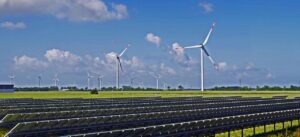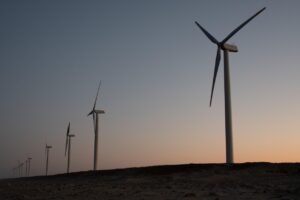

Wind energy has grown from tiny test machines into one of the strongest clean power sources that help cut down global pollution. You can view it as a mix of air flow science, machine building, and smart tech. All these parts team up to turn wind movement into electricity. Today’s wind farms have turbines that stand taller than tall buildings. Each one can supply power to many homes. The newest step forward is the first turbine with super-long blades that break old records. This change shows a big shift. It tests the edges of material strength and computer planning. Innovation keeps changing the money side and long-term green value of clean power setups.
Redefining Wind Energy Through Advanced Turbine Design
The fresh batch of turbines is not only bigger. It is also cleverer and works better. Builders have thought again about every part of the blade shape. They changed the air flow curves and strong layer setups. This helps pull more power from gentle winds.
The Emergence of Record-Breaking Blade Technology
The super-long turbine blades show a big jump in careful building work. These blades go past old size limits. They aim to grab the most movement energy while staying strong. Standard models use shorter glass parts. But these ones mix in carbon-fiber mixes. That gives better firmness with lower weight. Computer tests let builders run many wind situations before making them. This cuts down on guesswork costs. It also boosts air flow results. So, the turbine makes more power each turn. It runs well even when winds are soft.
The Role of Scale in Modern Wind Energy Systems
Making turbines larger shifts many things. It changes how much power gets caught. It also changes how parts move and fit together. Extra-long blades make the spin area grow fast. So, small adds in length can mean big rises in power each year. But bigger size brings problems. Moving 100-meter blades needs special trucks and paths. Tower bases must hold up against stronger bends. Builders seek a good balance. They weigh cost, trust, and how well it works. This way, larger does not always cost more or break easier.
Engineering Innovations Driving Performance Gains
The move to very big turbines gets help from new steps in material work and air flow design. Each step adds to better work without hurting lasting strength or safe use.
Advanced Materials Enabling Longer Blades
Today’s turbines rely on strong mixes of glass fiber, carbon fiber, and sticky resins. These cut down weight but keep power. That matters a lot. Blades face millions of push-pull cycles over many years. Layer setups point in the right way to deal with twists and bends at once. New making ways, like pulling in air under vacuum for molds, keep things even in huge blade shapes. This lowers flaws that might cause wear-out breaks. You see how this careful work leads to longer use times. It also means less fix-up costs for wind farms.
Aerodynamic Optimization for Maximum Energy Yield
Improving air flow stays key to getting every bit of power from the wind. Computer air flow tests help builders adjust width sizes and turn angles on each blade part. They aim for the best lift against pull balances. Smart angle change systems shift blade tilts right away. They use info from sensors. This keeps top work in different wind strengths. Builders also work on air wake control. They cut down rough air behind each spin wheel. That raises work levels for whole groups of turbines in a farm.
Operational Efficiency and Grid Integration
As blade tech grows, daily running plans change too. Longer blades make more power. But they also shift how weights spread over turbine parts and power lines.
Enhanced Power Output and Load Management
Extra-long blades make the spin area much bigger. This raises power made without matching rises in machine push if handled right. It lifts full-use rates. Turbines run near their top power more often each year. Wise weight spread plans use sensors in centers and towers. They spot tight push spots early. This lets fix-ups happen before breaks. By shifting weights live through control plans, runners lengthen machine lives. They keep stop times low.
Integration with Smart Grid Technologies
Now’s turbines talk all the time with digital webs. These webs watch work facts like shake speed, turn changes, and heat rises. Info-based checks guess fix needs weeks ahead. This skips big-cost stops. Digital twin tools make fake copies of real items. Runners can test different run states or problem cases safely. They do this before real changes. When joined with mixed clean setups like sun power or battery holds, these smart turbines steady power ups and downs from spotty making.
Environmental and Economic Implications of the New Turbine Design
The green mark of big wind projects rests on clean running. It also rests on green making ways over their full life.
Sustainability Considerations in Blade Manufacturing and Lifecycle
New blade plans use more re-use plastic sticky mixes over old hard-to-break ones that are tough to handle after end use. Piece-by-piece build ways make take-apart easier for moves or re-use at close stages. Full-life checks show that even with more stuff at start, super-long blades pay back their start pollution quicker. They do this with better work over many years of help.
Economic Impact on the Global Wind Energy Sector
On the money side, these new ideas change cost plans in both sea and land markets. Bigger turbines cut the need for thick setups. Fewer units can make the same power amount. This drops build costs per power unit. Experts see falls in full-life power cost as spin sizes grow. That happens because set costs spread over more yearly power made. Sea areas gain the most. Larger machines cut base numbers while grabbing steady sea winds.
Future Directions in Wind Energy Innovation
The edge of wind tech keeps growing. Researchers look for ways to beat now limits with piece work and links to other fields.
Scaling Beyond Current Technological Limits
Coming studies aim at very long cut-up blades. These can fit together right at the spot, not moved as one. That fixes move jams faced now. Fresh tiny-mix materials offer even lighter but harder builds. They can handle tough sea states like salt eat or high rough spots. Robot help build ways might soon let on-site making at far shore places.
Synergies Between Wind Energy and Other Renewable Technologies
Wind’s tomorrow rests not only in size. It rests in team work. With sun setups sharing power lines or split-water tools turning extra power into gas fuel in slow times. Smart machine brains will lead multi-power webs. There, wind pairs with sun changes smoothly through guess-send plans. As world clean power share tops 60%, top turbine building will stay key. It balances supply trust with green duty.
FAQ
Q1: What makes record-breaking turbine blades different from standard ones?
A: They are longer, made from advanced composites like carbon fiber for strength-to-weight efficiency, and designed using computational modeling for superior aerodynamics.
Q2: How does blade length affect wind energy output?
A: Increasing blade length enlarges the swept area exponentially, allowing each rotation to capture more kinetic energy from slower winds.
Q3: Why are advanced materials crucial for modern turbines?
A: Lightweight composites improve fatigue resistance under variable loads while reducing total mass, enabling longer blades without excessive structural stress.
Q4: How do smart grids enhance turbine performance?
A: Smart grids use real-time data analytics and digital twins to forecast faults, schedule maintenance proactively, and balance power supply dynamically across networks.
Q5: What environmental benefits come from recyclable blade materials?
A: Recyclable thermoplastic resins reduce landfill waste at decommissioning stages and lower overall lifecycle emissions compared with conventional thermoset-based designs.