
Why solar energy battery storage matters now
Solar energy battery storage is becoming a standard tool for using daytime solar power after sunset, during demand peaks, and during grid interruptions. A solar photovoltaic system produces electricity when sunlight is available; a battery stores part of that output and releases it when a home, business, microgrid, or utility system needs power. In 2026, this is no longer only a niche backup feature. The U.S. Energy Information Administration reported on August 7, 2026 that U.S. utility-scale battery storage reached nearly 52 GW of nameplate capacity by the end of June 2026, after average annual growth of about 70% over the previous three years. That does not make every project automatically economical, but it changes the planning question from whether batteries work with solar to where they should be used, how large they should be, and what operating strategy they should follow.
For readers following energy storage, the important shift is that batteries are increasingly designed as operating assets. They can provide outage resilience, increase on-site use of solar, reduce peak demand, capture low-price solar periods, and discharge into higher-value evening hours. Strong projects define the use case early, then size the battery, inverter, controls, and safety design around it.
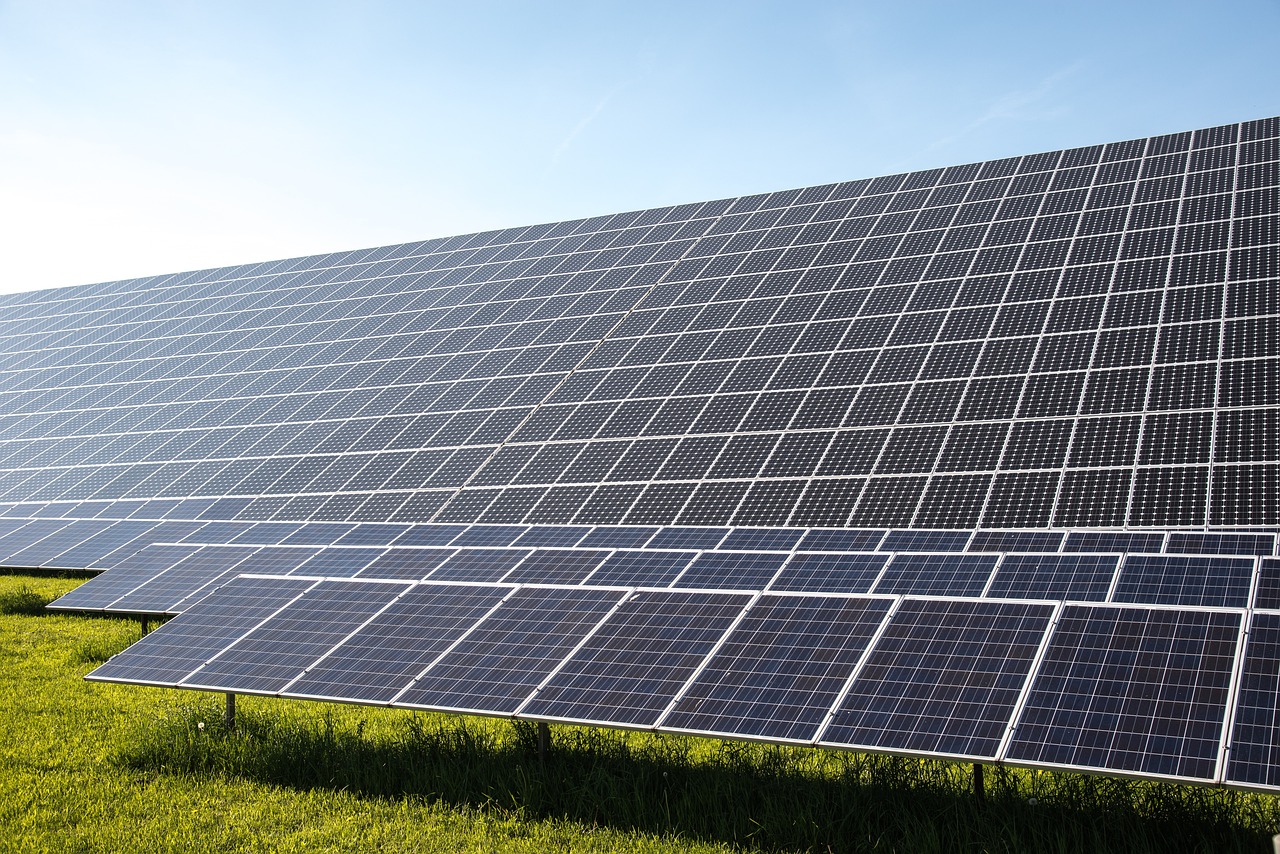
What a solar-plus-storage system actually does
A solar-plus-storage system combines photovoltaic panels, inverters, a battery pack, a battery management system, and control software. Solar panels generate direct current electricity. The system then routes electricity to immediate loads, to the grid, or into the battery. When the solar array is not producing enough power, the battery can discharge to serve local loads or the grid, depending on the system design, interconnection agreement, tariff, and operating mode.
The U.S. Department of Energy describes the basic purpose simply: battery storage allows solar owners to use solar energy at night or during an outage. In practice, the value can be broader. The same battery may support several functions if the controls are designed correctly, although one application usually drives the economics.
- Self-consumption: storing midday solar that would otherwise be exported at a low credit and using it later on site.
- Backup power: keeping selected circuits, critical equipment, communications, refrigeration, or safety systems running during an outage.
- Peak shaving: reducing demand charges for commercial and industrial customers by discharging during short high-load intervals.
- Energy shifting: moving solar generation from low-value daytime periods to evening hours when system demand and prices are often higher.
- Grid services: providing fast response for frequency regulation, operating reserves, congestion management, or local reliability support where markets allow it.
The key technical distinction is between power and energy. Power, measured in kilowatts or megawatts, is how fast a battery can charge or discharge. Energy, measured in kilowatt-hours or megawatt-hours, is how much electricity the battery can store. A 10 MW battery with 40 MWh of usable energy has a four-hour duration at full output. The same energy capacity could be discharged more slowly over a longer period, but not above the inverter and battery power limits.
What current market data shows
Recent public data shows solar energy battery storage scaling across both utility-scale and behind-the-meter markets. EIA data focuses on large power-sector systems, while industry reporting from SEIA, Wood Mackenzie, and Benchmark Mineral Intelligence also tracks energy capacity and market segments. These sources measure different categories and capacity types, so the figures should not be combined casually. Taken together, however, they point in the same direction: battery storage is becoming a core companion to solar deployment.
| Data point | What it indicates | Source note |
|---|---|---|
| Nearly 52 GW of U.S. utility-scale battery nameplate capacity by June 2026 | Large batteries are now a significant part of the U.S. power system, not only a pilot technology | EIA Today in Energy, August 7, 2026, using Preliminary Monthly Electric Generator Inventory data |
| 43.6 GW operating at the end of 2025, plus 8.3 GW added in the first half of 2026 | Growth continued rapidly into 2026 after a strong 2025 | EIA utility-scale battery storage update |
| Operators reported plans for another 54 GW over the following two and a half years | The pipeline is large, but planned projects can change because of interconnection, permitting, financing, and market conditions | EIA reported operator plans, not guaranteed completions |
| 30 GWh of U.S. energy storage added in the first half of 2026 | Energy capacity is expanding as projects move toward longer operating durations | SEIA market research with partner organizations |
| 108 GW of global battery storage additions in 2025 | Battery deployment is broadening internationally, with utility-scale projects representing most additions | International Energy Agency analysis published in 2026 |
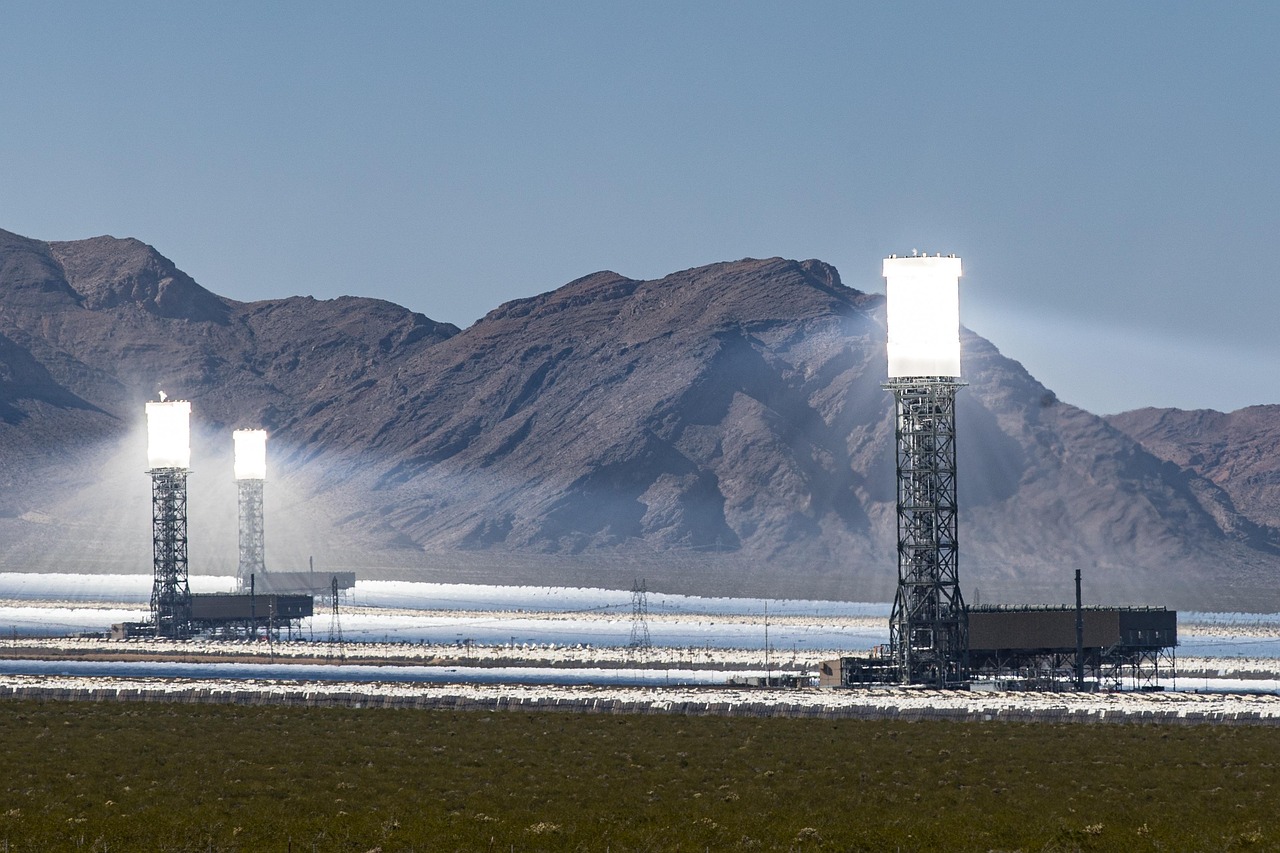
One practical signal from the EIA data is that solar photovoltaic plants host the largest U.S. battery storage units. EIA noted that the Bellefield Solar and Energy Storage Farm began operations in December 2025 with 500 MW of solar PV and 500 MW of nameplate storage capacity. It also identified Florida’s Manatee Solar Energy Center, operational since 2021, and Nevada’s Gemini Solar Hybrid project, operational in 2024, as major solar-storage examples. The common theme is clear: batteries help large solar projects shift output from the sunniest hours into periods when the system needs flexibility.
Where batteries add value to solar projects
The value of solar energy battery storage depends less on the battery itself than on the problem it is solving. For a household, the main concern may be resilience and evening self-consumption. For a commercial building, demand-charge reduction and backup for critical loads may matter more. For a utility-scale project, revenue may come from energy arbitrage, capacity value, ancillary services, and improved use of interconnection capacity.
The International Energy Agency has described battery storage as a short-term flexibility resource suited to periods from one to eight hours. That range matters. Lithium-ion battery systems can respond quickly and are highly useful for intraday balancing, but they are not a complete replacement for every form of long-duration storage, firm generation, transmission expansion, or demand-side flexibility. Batteries are powerful tools for daily solar shifting, while the broader power system still needs a portfolio of solutions.
For distributed solar, the value case is strongest when exported solar earns less than consumed electricity, when time-of-use rates reward evening discharge, when demand charges are material, or when outages are costly. For utility-scale solar, storage can reduce curtailment, capture clipped solar energy in some designs, and shift production toward higher-value hours. In markets with high solar penetration, midday power prices may fall while evening ramping needs increase; batteries help bridge that timing gap.
Reliability is another part of the case. A battery can respond in seconds, which makes it useful for stabilizing grid frequency and managing short ramps. The IEA reported in 2026 that energy shifting had become the dominant application for new battery projects globally, rising from a minority use case a decade earlier to more than 90% of new projects in 2025. That change helps explain why average project durations are increasing and why batteries are being planned alongside solar rather than added only as emergency backup.
Design choices that affect performance
Good storage design starts with a load profile and an operating objective. Oversizing a battery without a clear dispatch strategy can waste capital. Undersizing it can disappoint users during outages or leave savings uncaptured. The first step is to decide whether the system is mainly for backup, bill management, grid-market participation, solar clipping recovery, or a combination of those purposes.
Duration and usable capacity
Battery nameplate capacity is not the same as usable capacity. Real systems reserve some energy to protect battery health, maintain backup margins, or meet warranty requirements. A four-hour battery is common in utility-scale solar-plus-storage, but residential and commercial systems vary widely. Critical-load backup may need only enough energy for essential circuits, while whole-building backup requires much larger capacity and careful load control.
AC coupling and DC coupling
In an AC-coupled design, the solar array and battery each use their own inverter path and connect on the alternating current side. This can be attractive for retrofits because an existing solar system can often be paired with a battery without replacing the entire PV architecture. In a DC-coupled design, solar and battery equipment share more of the direct current pathway and may use a bidirectional inverter. NREL’s utility-scale PV-plus-battery work notes that DC coupling can improve some operating synergies, including reduced conversion losses when charging from PV and the ability to capture energy that might otherwise be clipped by the inverter.
The better configuration depends on whether the project is new or existing, how much solar clipping occurs, interconnection limits, desired backup behavior, equipment compatibility, and maintenance strategy. There is no universal best choice; the useful question is which design produces the most value for the specific site. See also: clean energy.
Controls and operating strategy
Controls are the difference between a battery that simply sits full and a battery that earns its place in the system. A home system may prioritize backup reserve first, then self-consumption. A commercial system may forecast building load and discharge before the monthly peak is set. A grid-scale system may bid into wholesale markets, follow price signals, and preserve enough state of charge for evening ramping. Because these goals can conflict, the control hierarchy should be defined before procurement.
Limits, safety, and bankability
Batteries improve solar flexibility, but they do not remove all constraints. They add capital cost, require space, need interconnection approval, and degrade over time. Performance depends on temperature, cycling patterns, depth of discharge, inverter limits, and software settings. A solar battery also cannot power loads that exceed its inverter rating, even if the battery still contains energy. For backup systems, load selection is often as important as battery capacity.
Safety design is non-negotiable. Lithium-ion battery systems must be installed with appropriate equipment listing, thermal management, fire detection where required, spacing, ventilation, and emergency response considerations. Standards such as UL 9540, UL 9540A, NFPA 855, NFPA 70, and applicable building or fire codes shape how stationary energy storage systems are evaluated and installed in many jurisdictions. UL 9540A, updated in 2026, is a test method used to evaluate thermal runaway fire propagation characteristics and support installation requirements. The relevant authority having jurisdiction always matters, so design teams should verify local code adoption before assuming a layout is acceptable.
Bankability also requires realistic revenue assumptions. Utility-scale storage projects may look attractive when price spreads are wide, but market revenues can change as more batteries enter the same market. Behind-the-meter projects may depend on tariff structures, export compensation, demand charges, incentives, and outage value. A credible analysis should separate hard savings, market revenues, tax or policy assumptions, and resilience value instead of presenting one blended payback number without context.
How to evaluate a solar storage opportunity
A practical review should begin with the problem, not the battery size. The following checklist can help homeowners, facility managers, developers, and energy analysts compare options more clearly.
- Define the primary objective. Backup, self-consumption, peak shaving, energy arbitrage, and grid services require different sizing and control strategies.
- Collect interval data. Hourly or sub-hourly load and solar production data reveal whether the battery will cycle daily, seasonally, or only during rare events.
- Separate kW from kWh. Confirm both the power rating and usable energy capacity, then test whether they match the desired discharge duration.
- Model tariffs and export rules. Storage value can change sharply under time-of-use rates, demand charges, low export credits, or wholesale price exposure.
- Check interconnection and permitting early. Grid connection limits and fire-code requirements can influence design, timeline, and cost.
- Review warranty conditions. Battery warranties may include throughput, cycle, temperature, state-of-charge, and installation requirements.
- Plan for operations. Monitoring, software updates, maintenance access, and emergency procedures should be part of the project scope.
The most resilient solar-plus-storage projects are not necessarily the largest. They are the ones where the battery’s job is clearly defined and the system is designed around that job.
Frequently asked questions
Is solar energy battery storage mainly for backup power?
No. Backup remains an important use, especially for homes, critical facilities, and remote sites, but current market growth is increasingly tied to daily operation. Batteries are being used to shift solar generation, reduce peak demand, support grid balancing, and improve the value of solar output during evening hours.
How many hours of battery storage does a solar system need?
There is no single answer. A residential critical-load backup system may need only enough capacity for essential circuits. A commercial peak-shaving system is often sized around short demand spikes. Many utility-scale solar-plus-storage projects use multi-hour batteries, commonly around four hours, but the right duration depends on tariffs, market rules, load shape, solar profile, and reliability goals.
Can a battery make solar power available all night?
Sometimes, but only if the battery has enough usable energy and the loads are managed. A battery that can run essential circuits overnight may not run air conditioning, heating, industrial equipment, or an entire facility for the same period. Whole-site backup requires careful sizing, load controls, and often a larger budget.
Is DC coupling better than AC coupling?
Neither option is automatically better. DC coupling can improve some new-build solar-plus-storage designs by reducing conversion steps and capturing clipped solar energy. AC coupling can be practical for retrofits and can simplify adding storage to an existing PV installation. The best choice depends on project age, equipment compatibility, interconnection limits, operating goals, and cost.
Are solar batteries safe?
Properly designed and permitted systems can be installed safely, but batteries are electrical and thermal systems that require serious attention to code compliance. Equipment listing, installation location, spacing, fire protection, ventilation where required, and manufacturer instructions should all be reviewed with qualified professionals and the local authority having jurisdiction.