

Power Play: What to Consider When Installing a Home Battery in Australia
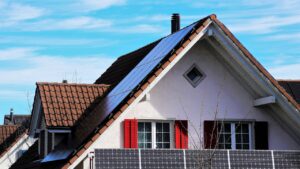
Australia’s energy future is tilting toward self-sufficiency. For homeowners, pairing a solar energy system for home use with battery storage is no longer a novelty but a strategic choice. The conclusion is clear: the right combination of solar panels, inverter technology, and battery capacity can dramatically cut electricity costs while improving grid resilience. Yet, this shift demands careful planning—technical compatibility, regulatory frameworks, and long-term financial modeling all shape the success of a residential solar-battery setup.
The Growing Role of Solar Energy Systems in Australia’s Residential Power Landscape
The Australian solar market has matured rapidly over the past decade. Falling hardware prices, improved efficiency ratings, and stronger policy support have turned rooftop solar from an environmental statement into a mainstream household investment.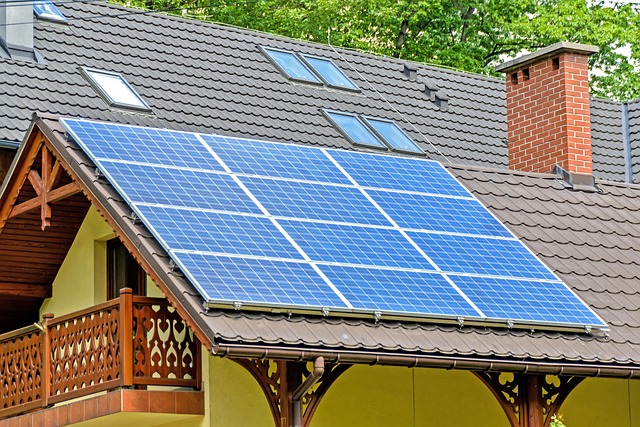
The Evolution of Home Energy Systems
Australia’s early solar adopters faced high upfront costs and limited storage options. Today’s systems integrate advanced photovoltaic modules with hybrid inverters and modular batteries that communicate through smart energy management software. This integration enables households to store excess generation during peak sunlight hours and release it when grid tariffs rise.
Integration Trends Between Solar Panels, Inverters, and Battery Storage
Modern residential setups increasingly rely on hybrid inverters that act as the bridge between generation and consumption. These devices manage both AC and DC flows seamlessly, reducing conversion losses and simplifying installation. The trend toward DC-coupled systems allows higher efficiency in charging batteries directly from solar panels.
Policy and Regulatory Influences Shaping Residential Energy Adoption
Government programs such as state-based rebates and feed-in tariffs have accelerated uptake. Regulatory bodies under the National Electricity Market (NEM) are now encouraging distributed energy resources (DERs) to participate in demand response schemes, allowing homeowners to earn revenue by supporting grid stability.
Market Dynamics Driving Solar Adoption
The economic rationale for installing a solar energy system for home use has strengthened as electricity prices fluctuate across states. Consumers are turning to self-generation as a hedge against volatility.
The Impact of Electricity Price Volatility on Solar Investments
Rising retail electricity rates make self-consumption more attractive than exporting power back to the grid at lower feed-in rates. Households with battery systems can store surplus daytime production to offset evening demand peaks.
Government Incentives and Rebates Encouraging Home Installations
Federal initiatives like the Small-scale Renewable Energy Scheme (SRES) reduce upfront costs through tradable certificates. States such as Victoria also provide targeted battery rebates that shorten payback periods considerably.
The Influence of Sustainability Goals on Consumer Behavior and Energy Planning
Environmental awareness plays an equally strong role. Many homeowners install batteries not only for savings but also to align with national carbon reduction targets under Australia’s Renewable Energy Target framework.
Technical Foundations of Smart Battery Integration
Integrating batteries into residential solar systems requires deep technical alignment between chemistry, inverter topology, and control algorithms. This section explores how those elements interact in practice.
Battery Chemistry and Performance Parameters
Lithium-ion remains dominant due to its high round-trip efficiency (typically above 90%) and long cycle life exceeding 6,000 cycles for premium models. Flow batteries offer scalable capacity ideal for larger properties but require more space. Solid-state technology promises greater safety margins by eliminating flammable liquid electrolytes—an area under active research by major manufacturers.
Efficiency Metrics: Depth of Discharge, Round-Trip Efficiency, and Cycle Life
Depth of discharge (DoD) defines usable capacity; most lithium-ion systems operate comfortably around 80–90% DoD without significant degradation. Round-trip efficiency measures total system losses during charge-discharge cycles—a key parameter influencing lifetime economics.
Safety Considerations and Thermal Management in Residential Setups
Thermal runaway risks are mitigated through built-in battery management systems (BMS) that monitor cell temperature and voltage balance. Proper ventilation and compliance with AS/NZS 5139 standards remain essential for household safety.
The Role of Inverters and Energy Management Systems (EMS)
As storage becomes smarter, control logic plays an outsized role in optimizing performance across varying load profiles.
How Hybrid Inverters Enable Seamless Solar-to-Battery Energy Transfer
Hybrid inverters convert DC power from panels directly into usable AC while simultaneously charging batteries when excess production occurs. They can automatically switch between grid-tied and off-grid modes during outages.
EMS Algorithms for Optimizing Charge/Discharge Cycles Based on Grid Conditions
Advanced EMS platforms analyze time-of-use tariffs to decide when to draw from or feed into the grid. Some even integrate weather forecasts to anticipate solar generation potential over coming days.
Data Analytics for Predictive Maintenance and Performance Optimization
Cloud-connected monitoring tools collect operational data such as voltage irregularities or temperature spikes, enabling predictive maintenance before faults occur—a growing focus among installers offering service contracts.
Designing a Solar Energy System for Optimal Battery Compatibility
System design determines whether investment returns meet expectations. Proper sizing ensures that generation matches storage without overspending on unused capacity.
System Sizing and Load Profiling Considerations
Installers typically evaluate historical consumption data via smart meters to map daily demand curves. A balanced design aims for about one day of autonomy—enough stored power to cover evening peaks without frequent deep discharges that shorten battery life.
Matching Photovoltaic Capacity with Battery Storage for Peak Efficiency
For most households, pairing 6–8 kW of rooftop PV with a 10–13 kWh battery provides an effective balance between cost and performance under Australian irradiance conditions.
Accounting for Seasonal Variations in Solar Irradiance Across Australian Regions
Northern regions like Queensland experience higher year-round irradiance compared with southern states such as Victoria or Tasmania; hence system designers adjust tilt angles or add capacity buffers accordingly.
Grid Interaction and Export Control Strategies
Residential batteries no longer operate in isolation—they interact dynamically with the national grid through smart export controls governed by evolving regulations.
Regulatory Frameworks Governing Grid Exports and Feed-in Tariffs
Under NEM rules, distribution networks can impose export limits during congestion periods. Compliance requires inverter firmware capable of responding automatically to export signals from utilities.
Smart Export Control Through Dynamic Inverter Settings and Grid Signals
Dynamic control allows real-time adjustment of export rates based on local voltage levels or frequency events—helping prevent overvoltage issues common in high-solar suburbs.
Balancing Self-Consumption with Grid Participation for Economic Optimization
Households often aim for about 70% self-consumption while exporting surplus strategically during high wholesale price intervals if enrolled in dynamic pricing programs offered by some retailers.
The Role of Smart Technologies in Enhancing Home Energy Intelligence
Digitalization is redefining how households manage their energy assets—from IoT-connected sensors to AI-driven forecasting engines embedded within EMS platforms.
IoT Integration in Solar-Battery Ecosystems
Smart meters relay consumption data every few seconds to cloud dashboards accessible via mobile apps. Installers can remotely troubleshoot inverter faults or update firmware without site visits—a small but meaningful operational shift toward proactive service models.
Cloud-Based Platforms Enabling Remote Diagnostics and Performance Tracking
Aggregated fleet data helps manufacturers benchmark performance across thousands of installations nationwide, feeding insights back into product design cycles focused on durability improvements.
Cybersecurity Implications of Connected Home Energy Infrastructure
Connectivity also introduces vulnerabilities; therefore encryption protocols aligned with ISO/IEC 27001 standards are recommended to safeguard user data against unauthorized access attempts.
Artificial Intelligence in Predictive Energy Management
AI-driven analytics increasingly underpin decision-making within modern solar-battery ecosystems by learning from behavioral patterns rather than static schedules.
AI Models Forecasting Consumption Patterns to Optimize Storage Use
Machine learning models trained on historical usage predict when occupants will draw power heavily—say during evening cooking hours—and pre-charge batteries accordingly during low-tariff windows.
Adaptive Algorithms Responding to Weather Forecasts and Tariff Changes
Systems ingest meteorological data feeds so they can anticipate cloudy days or tariff spikes ahead of time—adjusting dispatch plans autonomously without user input.
Machine Learning Applications for Fault Detection and System Optimization
Pattern recognition algorithms detect anomalies like inverter inefficiencies or sensor drift early enough to trigger maintenance alerts before downtime occurs—a tangible improvement over manual inspection routines still common five years ago.
Economic and Environmental Implications of Integrated Solar-Battery Systems
Beyond technical performance lies the broader question: does it pay off financially while contributing meaningfully to sustainability goals?
Cost-Benefit Analysis Over System Lifecycles
Although capital expenditure remains significant—averaging AUD 12 000–15 000 per installation—the long-term savings through reduced grid reliance often justify investment within seven to ten years depending on tariff structures.
Evaluating Payback Periods Under Varying Tariff Structures and Incentives
Dynamic tariffs shorten payback where peak/off-peak spreads are large; fixed-rate contracts extend it slightly but offer predictability valued by risk-averse homeowners seeking steady returns over volatility-driven gains.
Maintenance Costs, Degradation Rates, and Replacement Planning Considerations
Lithium-ion units typically degrade about 2–3% annually; planning replacement around year twelve aligns with warranty expirations offered by major brands operating under IEC 62619 certification standards ensuring quality control benchmarks are met globally.
Contribution to Grid Stability and Carbon Reduction Goals
Distributed storage serves not only individual households but also strengthens national infrastructure resilience against peak stress events or supply shortfalls from fossil plants retiring earlier than expected.
Distributed Storage as a Tool for Frequency Regulation and Peak Load Management
When aggregated through virtual power plant (VPP) programs run by utilities, residential batteries collectively provide ancillary services like frequency regulation—traditionally reserved for large generators—thus decentralizing reliability functions once centralized at utility scale facilities
Reduction in Carbon Footprint Through Localized Renewable Generation
Each kilowatt-hour generated onsite displaces emissions otherwise produced by coal-fired plants still prevalent across parts of eastern Australia—a measurable contribution toward meeting Paris Agreement commitments
Potential Role of Aggregated Home Batteries in Virtual Power Plant Networks (VPPs)
VPP pilots demonstrate how hundreds of connected homes can behave as one flexible asset responding instantly to market signals—lowering wholesale price spikes while rewarding participants financially through shared revenue pools
Future Outlook: Towards Smarter Decentralized Energy Networks in Australia
The next phase will see tighter integration between distributed assets—from EV chargers doubling as mobile batteries to blockchain-enabled trading among neighbors exchanging surplus electrons transparently within microgrids
Policy Directions Supporting Distributed Energy Resources (DERs) Integration
Forthcoming NEM reforms aim at standardizing communication protocols among DER devices so they can coordinate efficiently regardless of brand or installer origin—a necessary step before scaling nationwide participation beyond pilot stages
Standards Development for Interoperability Among Solar-Battery Systems
Bodies like Standards Australia collaborate with IEC committees developing frameworks such as IEC 61850 extensions tailored specifically for residential DER interoperability ensuring consistent communication semantics across platforms
Emerging Business Models Such as Peer-to-Peer Energy Trading Platforms
Peer-to-peer trading trials allow households equipped with smart meters plus compliant software wallets to sell surplus directly within their community microgrid bypassing traditional retailers entirely—a glimpse into decentralized market evolution already underway across select suburbs
FAQ
Q1: What is the ideal battery size for an average Australian home?
A: Most homes find 10–13 kWh sufficient when paired with roughly 6–8 kW rooftop PV capacity depending on daily load patterns.
Q2: How long do lithium-ion home batteries typically last?
A: Quality lithium-ion units last about ten years before noticeable degradation though many carry warranties covering up to twelve years or specific cycle counts around 6 000 cycles.
Q3: Can home batteries operate during blackouts?
A: Yes if connected via hybrid inverter configured for backup mode allowing critical circuits like lighting or refrigeration continued operation off-grid temporarily.
Q4: Are there safety risks associated with installing home batteries?
A: Compliance with AS/NZS 5139 installation standards plus integrated BMS protection minimizes thermal hazards making modern units safe when installed professionally indoors or outdoors under shade conditions.
Q5: Will future regulations affect existing installations?
A: Most upcoming NEM reforms target interoperability improvements not retroactive compliance changes so current systems should remain fully functional though firmware updates may be required later for new participation schemes like VPP enrollment.