
Manitoba Hydro Won’t Identify Companies Vying to Build Wind Farms
Manitoba Hydro’s decision not to disclose the names of companies competing to build new wind farms has sparked a layered debate among energy professionals. The move reflects a tension between competitive confidentiality and public accountability in renewable procurement. While secrecy may protect commercial interests and negotiation leverage, it also raises questions about transparency in public infrastructure development. This article examines Manitoba Hydro’s evolving renewable strategy, the players shaping its wind sector, and the broader implications of confidentiality for local industry and global energy governance.
Manitoba Hydro’s Wind Farm Development Landscape
Manitoba Hydro is navigating a pivotal transition from its historic reliance on hydroelectricity toward a more diversified renewable portfolio. This shift aligns with both provincial sustainability goals and global decarbonization trends.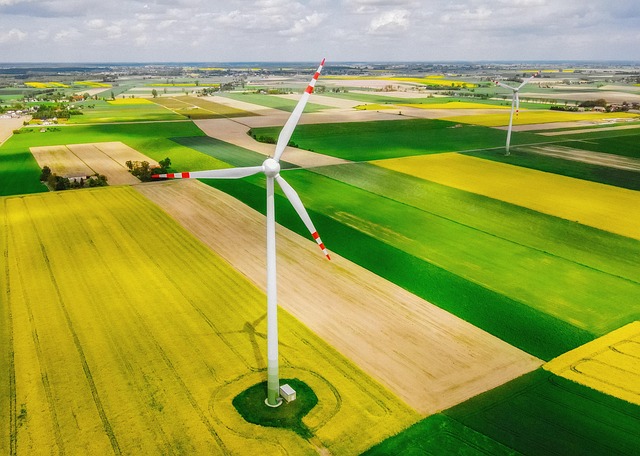
Overview of Manitoba Hydro’s Renewable Energy Strategy
Manitoba Hydro’s strategy focuses on reducing overdependence on hydroelectric generation by integrating wind power into its supply mix. The company aims to stabilize long-term capacity while mitigating climate-related risks that affect water levels and dam output. Its objectives include expanding grid resilience, attracting private investment, and meeting federal clean energy targets under Canada’s net-zero framework. Policy instruments such as Manitoba’s Climate and Green Plan Act and federal clean electricity regulations create the regulatory foundation for these developments, guiding how new projects are assessed and approved.
Current Status of Wind Farm Proposals in Manitoba
Several large-scale wind proposals are under review across southern Manitoba, with potential capacities ranging from 100 to 300 megawatts each. These projects would significantly enhance provincial renewable output beyond existing facilities like St. Leon and St. Joseph wind farms. Provincial energy planners play a decisive role in reviewing environmental impacts, transmission integration, and economic feasibility before granting approvals. However, the current procurement process remains opaque—bidders’ identities are withheld to preserve competition integrity during evaluation phases.
Confidentiality Concerns Surrounding the Bidding Process
The confidentiality surrounding bidder identities has drawn attention from both industry observers and local stakeholders. Utilities often justify nondisclosure by citing commercial sensitivity: early disclosure could distort pricing or invite lobbying pressures that compromise fairness. Yet critics argue that withholding information undermines public trust in a publicly owned utility managing billion-dollar assets. The balance between openness and competition remains delicate, particularly when taxpayer-funded infrastructure is at stake.
The Role of Major Green Energy Companies in Manitoba’s Wind Sector
As Manitoba Hydro seeks private partners for new wind projects, attention naturally turns to which entities might be involved behind closed doors.
Identifying Potential Industry Participants
Global firms specializing in large-scale renewables—such as those among the world’s largest green energy companies—typically possess the technical expertise, financial depth, and project experience required for such bids. Many have operated across North America through subsidiaries or joint ventures, bringing proven track records in turbine technology, grid integration, and long-term maintenance contracts. Indicators of potential participation include prior Canadian project footprints, partnerships with Indigenous communities, or established relationships with provincial utilities.
Market Influence of Leading Green Energy Corporations
Large renewable corporations shape market norms by setting benchmarks for cost efficiency, turbine performance standards, and financing structures. Their involvement often accelerates technology transfer into local markets while influencing contract terms for smaller developers. In many cases, they introduce hybrid financing models combining equity investment with green bonds or institutional capital—a pattern seen in other Canadian provinces’ procurement rounds.
Implications for Local Developers and Smaller Market Entrants
While multinational participation brings scale advantages, it can marginalize smaller domestic firms lacking comparable capital or technical resources. Local developers may find opportunities through subcontracting or community partnership models but face barriers in direct competition for utility-scale projects. Policymakers therefore face an ongoing challenge: encouraging foreign expertise without eroding local industrial capacity or employment potential.
Transparency and Competitive Bidding in Renewable Energy Projects
The issue of disclosure within Manitoba Hydro’s procurement process sits at the intersection of policy ethics and market pragmatism.
The Confidentiality Debate Surrounding Bidding Processes
Utilities maintain confidentiality primarily to prevent collusion risks and protect proprietary data submitted by bidders. Revealing participants too early can lead to strategic behavior that inflates costs or reduces innovation incentives. However, excessive secrecy can alienate stakeholders seeking accountability from publicly funded enterprises. Other jurisdictions—such as Ontario during its Feed-in Tariff program—have experimented with partial disclosure models where shortlisted bidders are named post-evaluation to balance transparency with fairness.
Regulatory Oversight and Public Accountability Mechanisms
Manitoba’s Public Utilities Board (PUB) oversees aspects of rate-setting and capital planning but does not directly manage procurement transparency rules. Broader oversight comes through provincial ministries responsible for energy policy compliance under federal clean power directives. Disclosure policies influence investor confidence: clear frameworks reassure financial institutions about procedural integrity while opaque systems may deter participation from risk-averse investors concerned about governance standards.
Potential Reforms to Enhance Transparency Without Compromising Competition Integrity
Reform options include phased disclosure—announcing bidders after technical evaluations—or independent audits verifying fairness without revealing identities publicly until contracts are finalized. Such mechanisms could preserve competitive advantage while improving public confidence that selection criteria remain merit-based rather than politically influenced.
Economic and Strategic Implications of Wind Farm Secrecy
Beyond procedural ethics, nondisclosure carries tangible economic consequences for Manitoba’s renewable market structure.
Impact on Provincial Energy Economics
When corporate participants remain undisclosed, market analysts struggle to forecast investment flows or model future electricity pricing accurately. Lack of visibility can obscure whether foreign capital dominates domestic infrastructure ownership—a factor influencing long-term rate stability for consumers. For a crown corporation like Manitoba Hydro, strategic secrecy may help negotiate better contract terms but also limits public scrutiny over cost competitiveness compared with open-tender benchmarks elsewhere in Canada.
Effects on Local Industry Development and Employment Opportunities
Wind farm construction typically generates hundreds of temporary jobs during installation phases plus ongoing maintenance roles afterward. If multinational firms lead development without strong local content requirements, much of the economic benefit could flow outward through imported equipment or external service contracts. Conversely, transparent bidding tied to local participation clauses could stimulate regional manufacturing clusters around turbine components or electrical systems assembly—a goal consistent with Manitoba’s green economy objectives.
Strategies to Ensure Equitable Economic Benefits Within Manitoba’s Green Transition Framework
To retain value locally, policymakers might integrate community benefit agreements requiring training programs or supply-chain commitments from winning bidders. These measures can offset concentration risks posed by dominant global players while aligning with social license expectations under modern ESG (Environmental, Social, Governance) standards increasingly demanded by investors worldwide.
The Broader Context: Global Trends in Renewable Project Secrecy and Disclosure
Manitoba’s debate mirrors international tensions between commercial confidentiality and democratic accountability within state-linked energy transitions.
International Practices in Wind Project Procurement Transparency
Across Europe, many countries publish bidder lists after tender closure but before final award decisions; this approach fosters trust without compromising competition outcomes. In contrast, U.S.-based utilities often keep participant data sealed until project completion due to antitrust sensitivities under federal regulation frameworks like FERC guidelines. Canada remains mixed—some provinces disclose extensively while others follow stricter privacy conventions similar to Manitoba Hydro’s current stance.
Future Outlook for Corporate Disclosure in Renewable Energy Development
Globally, ESG reporting pressures are reshaping attitudes toward transparency among major developers including the largest green energy companies operating across continents. Investors increasingly expect disclosures not only on environmental metrics but also governance practices such as fair bidding conduct and stakeholder engagement records. As scrutiny intensifies from regulators and civil society alike, utilities may find long-term reputational value outweighs short-term secrecy benefits when pursuing future renewable procurements.
FAQ
Q1: Why is Manitoba Hydro keeping bidder identities confidential?
A: The utility argues that confidentiality protects commercial information during evaluation stages and prevents unfair influence over pricing or negotiation outcomes.
Q2: How many wind farm proposals are currently being considered?
A: Multiple projects totaling several hundred megawatts are under review across southern regions though exact figures remain undisclosed pending final approvals.
Q3: Which types of companies usually bid on such projects?
A: Typically large multinational renewable developers with experience in North American markets participate due to their technical capacity and financial strength.
Q4: Could secrecy affect consumer electricity rates?
A: Potentially yes; reduced transparency makes it harder for analysts to assess cost efficiency which could influence future rate adjustments if project costs escalate unseen.
Q5: Are there plans to improve transparency going forward?
A: Discussions continue around adopting phased disclosure models or third-party audits that verify fairness without exposing sensitive corporate data prematurely.