
Solar Energy for Home: Is It Worth It in 2026?
Residential solar energy will remain a sound investment in 2026, driven by falling hardware costs, improved efficiency, and stable policy frameworks. For most homeowners, the payback period continues to shorten as electricity prices rise and financing options expand. While market maturity differs by region, solar energy for home use increasingly offers both economic and environmental returns that outperform traditional grid dependence.
Assessing the Viability of Solar Energy for Homes in 2026
The viability of residential solar in 2026 depends on a mix of policy support, technology progress, and consumer economics. The global market is transitioning from early adoption to mainstream integration, with key regions showing double-digit growth rates.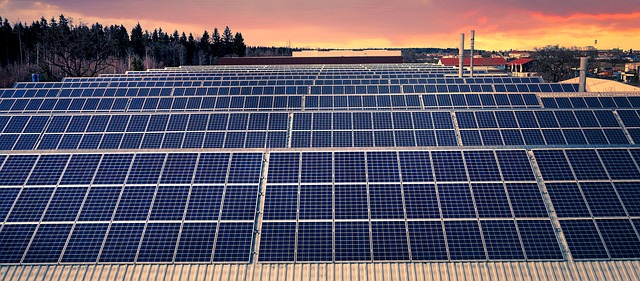
The Current Landscape of Residential Solar Adoption
Global residential solar capacity has expanded rapidly over the past decade. According to data from the International Energy Agency (IEA), distributed solar PV installations surpassed 200 GW globally by 2023, with Asia-Pacific leading growth. In markets such as the U.S., Germany, and Australia, rooftop systems now account for a significant share of new renewable capacity additions. Policy incentives like net metering and feed-in tariffs have been instrumental in sustaining this momentum.
Government programs remain central to adoption trends. Many nations are extending or redesigning incentives toward self-consumption models rather than pure export tariffs. The U.S. Inflation Reduction Act continues to provide tax credits up to 30% for residential installations through 2032, while the EU’s REPowerEU plan pushes member states to simplify permitting processes and subsidize battery storage integration.
Technology improvements also influence adoption rates. Modern modules now exceed 22% efficiency on average compared with less than 15% a decade ago. Combined with smarter inverters and digital monitoring tools, these advancements make home systems more reliable and easier to manage.
Economic Factors Influencing Investment Decisions
Economic considerations dominate homeowner decisions about installing solar energy for home applications. The initial cost remains substantial—typically between $10,000 and $25,000 depending on system size—but long-term savings often offset this outlay within seven to ten years in high-tariff markets.
Inflationary pressures and volatile energy prices enhance the appeal of fixed-cost generation at home. As grid electricity prices rise faster than inflation in many regions, solar owners effectively hedge against future cost increases. Financing models such as power purchase agreements (PPAs) or green loans further lower entry barriers by spreading payments over time.
Comparatively, levelized cost analyses from BloombergNEF show that residential PV electricity is already cheaper than retail grid power in over half of global markets. This parity point strengthens the case for wider household adoption even without heavy subsidies.
Technological Developments Shaping Solar Energy Efficiency
Advances in photovoltaic science and system integration are reshaping what homeowners can expect from their panels by 2026. Efficiency gains are no longer incremental—they redefine design standards across the industry.
Advances in Photovoltaic (PV) Technology
Emerging materials play a major role in boosting conversion rates. Perovskite-silicon tandem cells have achieved lab efficiencies above 30%, signaling commercial potential within two years according to recent IEC research briefs. Bifacial modules that capture reflected light from both sides already deliver up to 10% more output under optimal conditions.
By 2026, continued R&D is expected to yield more durable coatings resistant to humidity and UV degradation—critical for long-term performance stability. These innovations collectively push system yields higher while reducing lifetime costs per kilowatt-hour generated.
The Role of Energy Storage Systems in Home Solar Solutions
Energy storage transforms solar from an intermittent source into a dependable power option. Lithium-ion batteries dominate current installations due to their declining cost curve—prices have dropped nearly 80% since 2013 based on IRENA data—and improved cycle life exceeding 6,000 charge-discharge cycles.
Alternative chemistries like sodium-ion or solid-state batteries are emerging contenders offering safer operation and better performance at extreme temperatures. Integration with home management software allows dynamic control: charging when sunlight peaks and discharging during high-tariff hours or outages.
Smart grid connectivity further enhances reliability by enabling households to participate in demand response markets or virtual power plants (VPPs). Such frameworks turn individual homes into active nodes within decentralized networks rather than passive consumers.
Financial Returns and Payback Period Analysis
The financial logic behind installing solar energy for home use hinges on accurate modeling of returns under local conditions. Variables such as sunlight availability, consumption patterns, and tariff structures shape profitability outcomes significantly.
Calculating the Return on Investment (ROI) for Homeowners
ROI calculations typically factor installation cost, annual generation potential (kWh), electricity price escalation, and maintenance expenses. In sunny regions like California or southern Spain, systems can achieve payback within six years; cloudier climates may extend this period closer to ten years but still yield positive lifetime returns exceeding 15%.
Advanced simulation tools now integrate satellite irradiance data with building geometry to provide precise ROI forecasts before installation—reducing uncertainty for investors evaluating site-specific potential.
Tax Incentives, Subsidies, and Financing Models in 2026
Fiscal incentives remain pivotal through mid-decade. Many jurisdictions maintain tax credits or rebates covering up to one-third of installation costs. Green mortgage products offered by banks link lower interest rates to verified energy savings performance certificates.
However, gradual phase-outs are expected beyond 2030 as markets mature. Analysts suggest that stable financing mechanisms—rather than temporary subsidies—will sustain growth thereafter by aligning lender confidence with predictable cash flows from self-generation savings.
Environmental and Grid-Level Implications of Residential Solar Expansion
Beyond economics lies the broader environmental rationale driving adoption at scale: decarbonization targets depend heavily on distributed renewables like rooftop PVs integrated into flexible grids.
Carbon Reduction Potential from Widespread Home Solar Adoption
Each typical residential system offsets roughly three to four tons of CO₂ annually depending on regional grid intensity factors reported by IEA statistics. If half of suitable rooftops worldwide were equipped with PVs by 2030, cumulative emissions reductions could exceed one gigaton per year—equivalent to removing hundreds of millions of cars from circulation.
Lifecycle analyses consistently show that manufacturing emissions are repaid within one to two years of operation; thereafter systems operate nearly carbon-free throughout their lifespan exceeding twenty-five years.
Integration Challenges with Existing Power Grids
Rapid proliferation introduces technical complexities such as voltage fluctuations during midday surges or reverse power flows at low demand periods. Utilities address these through distributed generation management systems (DGMS) employing real-time monitoring and inverter-based control algorithms compliant with IEEE standards.
Policy frameworks increasingly mandate smart inverter functionality capable of frequency regulation support or reactive power compensation—key measures ensuring stability as penetration levels rise beyond traditional thresholds around 20–30% of local load capacity.
Future Outlook: Strategic Considerations for Experts and Investors
Residential solar’s trajectory beyond 2026 points toward deeper digitalization and hybridization rather than mere panel proliferation. Stakeholders must anticipate structural shifts shaping competitiveness across supply chains and consumer behavior alike.
Market Forecasts for Residential Solar Energy Beyond 2026
Hardware costs are projected to decline another 15–20% by the end of the decade due primarily to material efficiency gains and automation in module assembly lines tracked by IEA PVPS reports. Maintenance expenses will also drop as remote diagnostics become standard practice among installers using IoT-based monitoring platforms.
Consumer attitudes continue shifting toward self-sufficiency models combining rooftop generation with electric vehicle charging infrastructure—a natural synergy enhancing household energy autonomy while stabilizing grid loads during off-peak hours.
Emerging technologies such as building-integrated photovoltaics (BIPV) or solar roof tiles may disrupt conventional rooftop designs by embedding generation directly into construction materials—a trend already visible in premium housing developments across Europe and Asia-Pacific markets.
Strategic Recommendations for Stakeholders in the Solar Ecosystem
For Homeowners Considering Investment
Prospective adopters should evaluate shading profiles using updated simulation software before committing capital expenditure. Selecting scalable inverter architectures compatible with future battery upgrades protects long-term value as storage prices fall further post-2026.
For Policymakers and Industry Professionals
Regulatory stability remains essential: abrupt subsidy changes risk undermining investor confidence just as economies achieve parity-level competitiveness. Policymakers should prioritize transparent interconnection standards while channeling public funds toward R&D improving module recyclability and resource efficiency ratios under ISO sustainability metrics.
FAQ
Q1: How long does it take for a typical home solar system installed in 2026 to pay back its cost?
A: Most systems recover their initial investment within six to nine years depending on location-specific sunlight exposure and electricity tariffs.
Q2: Will government incentives still exist after 2026?
A: Yes, though some programs will gradually taper off; tax credits or rebates are expected through at least early next decade under current legislative frameworks.
Q3: Are new technologies like perovskite panels commercially available yet?
A: Pilot-scale production has begun but widespread commercial rollout is anticipated around mid-2026 once durability testing meets IEC certification standards.
Q4: Can homeowners go completely off-grid using solar alone?
A: Technically yes if paired with sufficient battery capacity; however most prefer hybrid setups connected to grids for reliability during extended cloudy periods or high seasonal demand peaks.
Q5: How does installing solar affect property value?
A: Studies across major housing markets show average resale premiums between 3%–5%, particularly where buyers value reduced utility bills alongside sustainability credentials.