

SRECs: What Are Solar Renewable Energy Credits?
Solar Renewable Energy Credits (SRECs) are tradable certificates that quantify the environmental value of electricity generated from solar power. Each SREC equals one megawatt-hour (MWh) of electricity produced by a certified solar system. They exist as a policy-driven market mechanism to support renewable portfolio standards (RPS), allowing utilities to meet mandated clean energy targets without directly generating solar power. For system owners, SRECs represent a secondary revenue stream that can significantly improve project economics, particularly in states with strong compliance markets. As renewable energy policies evolve, understanding how SRECs function economically and legally is essential for investors, developers, and utilities navigating the transition toward low-carbon electricity systems.
Understanding Solar Renewable Energy Credits (SRECs)
The concept of SRECs sits at the intersection of environmental policy and market economics. They translate the intangible benefits of solar generation into quantifiable assets that can be traded across regulated markets.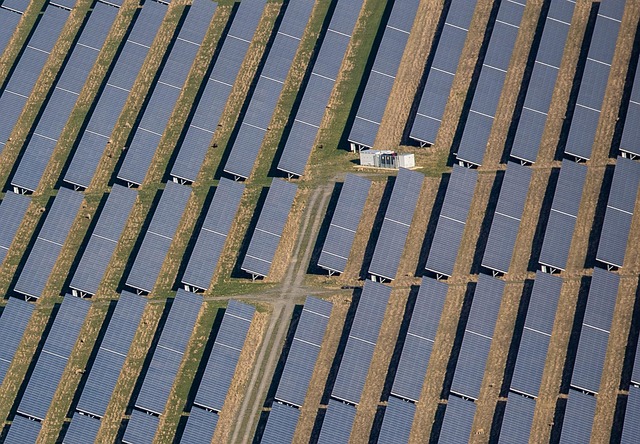
Definition and Core Concept of SRECs
SRECs represent the environmental attributes associated with each MWh of electricity generated from solar installations that qualify under state programs. When a solar system produces one MWh of energy, it automatically earns one corresponding credit in the tracking registry. These credits can then be sold to utilities or other entities needing to comply with renewable energy obligations. Functionally, they operate like commodities, enabling price discovery through supply and demand rather than fixed subsidies.
The Legislative and Regulatory Basis of SRECs
The foundation of the SREC market lies within state-level Renewable Portfolio Standards (RPS). These laws require electricity suppliers to source a defined percentage of their supply from renewable resources. To meet these mandates efficiently, utilities may purchase SRECs instead of investing directly in generation capacity. Regulatory authorities define eligibility rules, establish tracking platforms, and enforce compliance through periodic reporting. This structure ensures that environmental claims are verifiable and consistent across jurisdictions.
Tracking and Certification Mechanisms
Regional registries such as PJM Generation Attribute Tracking System (PJM-GATS) or NEPOOL GIS manage the issuance and exchange of credits. Each registered system reports production data that is independently verified before credits are created. This process prevents double counting and enhances transparency for buyers and sellers alike. The digital nature of these registries simplifies transactions while maintaining traceability across multiple ownership transfers.
The Economic Function of SRECs in Renewable Energy Markets
Beyond their regulatory role, SRECs serve as a financial instrument linking policy mandates with investment incentives. Their price behavior reflects both market fundamentals and policy expectations.
Market Dynamics and Price Formation
SREC prices vary widely depending on local supply-demand conditions. In markets where RPS targets exceed current solar generation capacity, prices tend to rise due to scarcity. Conversely, rapid expansion in distributed solar can depress values when supply outpaces obligations. Other influences include alternative compliance payment (ACP) levels, which cap potential prices by setting penalties for non-compliance. Policy amendments or technology cost shifts often trigger volatility as participants adjust expectations.
Revenue Streams for Solar System Owners
For owners of residential or commercial systems, selling SRECs offers an additional income layer beyond net metering or direct energy savings. Some opt for long-term contracts with aggregators or utilities to secure predictable cash flows over several years. Others prefer spot trading to capture potential price spikes but face higher exposure to market risk. Institutional investors incorporate projected SREC revenues into financial models when assessing project viability or return on equity.
The Role of Aggregators and Brokers in the SREC Market
Aggregators play an essential role by pooling small-scale producers into larger portfolios that achieve economies of scale in transaction costs. Brokers facilitate trades between generators and obligated entities by providing liquidity and market intelligence. Fee structures typically depend on trade volume, contract length, and regional maturity—older markets like New Jersey often exhibit tighter spreads due to higher transparency.
Policy Instruments Influencing SREC Market Value
Government frameworks shape both the demand for and pricing behavior of solar renewable energy credits through design choices embedded in RPS programs.
Renewable Portfolio Standards (RPS) Design Parameters
The ambition level of an RPS directly determines how many credits must be purchased annually by utilities. Some states employ tiered systems distinguishing between general renewables and specific carve-outs for solar technologies, ensuring dedicated demand for photovoltaic generation. Flexibility mechanisms like banking allow unused credits from one year to satisfy future obligations, smoothing short-term imbalances but influencing long-run price trends.
Alternative Compliance Payments (ACP) as Price Caps
ACPs define the maximum penalty a utility pays if it fails to procure sufficient SRECs within a compliance period. This effectively sets an upper limit on credit prices because rational buyers will not pay more than the fine itself. Policymakers periodically revise ACP levels based on observed market performance to maintain alignment between incentives and deployment goals. Differences among state ACPs can lead multi-state participants to exploit arbitrage opportunities when transferring credits across borders where allowed.
Federal Incentives and Their Indirect Impact on SREC Markets
Federal tax policies such as the Investment Tax Credit (ITC) strongly influence installation rates by lowering upfront capital costs for new projects. When ITC benefits decline over time, slower deployment may tighten future supply conditions in certain states’ credit markets. Broader carbon pricing initiatives could also reshape valuation dynamics by linking renewable certificates more closely with emissions reduction metrics rather than isolated generation attributes.
Analytical Perspectives on Market Performance and Risk Factors
Evaluating long-term sustainability requires examining both sides of the equation—how much new capacity enters the market versus how aggressively utilities pursue compliance strategies.
Supply-Side Considerations in SREC Valuation
Rapid growth in rooftop solar installations can create oversupply situations where credit inventories accumulate faster than demand expands. Technological improvements continue driving down installation costs but may inadvertently compress certificate values as overall generation increases relative to fixed RPS targets. Over time, natural degradation rates reduce system output slightly each year, affecting forward projections used by traders valuing multi-year positions.
Demand-Side Dynamics Driven by Utility Compliance Strategies
Utilities often time their purchases strategically throughout compliance cycles to minimize cost exposure under changing price environments. Some prefer forward contracting arrangements that lock in predictable expenses while others rely on spot acquisitions closer to reporting deadlines if they anticipate falling prices due to upcoming capacity additions or regulatory adjustments.
Risk Management Approaches in the SREC Ecosystem
Financial Hedging Instruments
Participants seeking stability employ derivatives such as futures contracts or bilateral swaps tied to expected credit deliveries at predefined prices. These instruments mitigate exposure against sudden policy shifts or unexpected supply surges that could erode portfolio returns.
Portfolio Diversification Strategies for Investors
Investors active across multiple state programs diversify geographic exposure since each jurisdiction operates under distinct legal frameworks and target timelines. This reduces concentration risk stemming from abrupt legislative revisions or localized oversupply conditions that might otherwise depress asset valuations dramatically.
Long-Term Outlook for Solar Renewable Energy Credit Markets
As renewable penetration deepens nationwide, policymakers are reassessing whether certificate-based systems remain optimal tools for decarbonization goals or if broader integration mechanisms offer greater efficiency.
Transition Toward Broader Renewable Energy Integration Mechanisms
Future frameworks may merge existing credit schemes into unified carbon accounting platforms encompassing all low-emission technologies rather than maintaining separate markets per resource type. Such convergence would simplify compliance administration while aligning incentives more directly with measurable emissions reductions instead of technology-specific quotas.
Implications for Project Developers and Institutional Investors
A shift toward standardized valuation methods could enhance investor confidence by reducing jurisdictional discrepancies currently complicating cross-border financing structures. Developers would benefit from clearer revenue forecasting models tied less to political cycles and more to transparent performance metrics recognized nationally or internationally.
Technological Innovations Affecting Future Market Structures
Emerging tools like advanced metering infrastructure enable near real-time verification of generation data, improving accuracy in certificate issuance processes. Blockchain-based ledgers have been tested experimentally for recording ownership transfers securely without centralized intermediaries—a potential step toward more efficient settlement architectures suitable for high-volume trading environments.
FAQ
Q1: What exactly does one Solar Renewable Energy Credit represent?
A: One SREC equals one megawatt-hour (MWh) of electricity produced by an eligible solar energy system registered within its state’s program framework.
Q2: How do utilities use SRECs?
A: Utilities purchase them to meet mandatory renewable portfolio standard requirements without necessarily building their own solar facilities.
Q3: Why do SREC prices differ between states?
A: Prices vary due to differences in RPS targets, local solar capacity levels, alternative compliance payment caps, and overall market maturity.
Q4: Can homeowners sell their own SRECs directly?
A: Yes, though many choose aggregators who manage registration, certification, and trading logistics on their behalf for a service fee.
Q5: What future trends could reshape the SREC landscape?
A: Integration with carbon credit systems, adoption of blockchain verification methods, and national policy harmonization may redefine how these credits function economically over the next decade.