
Transparent Solar Cells Could Transform Windows into Power Generators
Transparent solar cells are redefining how buildings and devices capture sunlight. Instead of being confined to rooftops, these photovoltaic materials can be integrated directly into windows, facades, or vehicle glass. When paired with solar powered generators, they create a self-sustaining system capable of storing and distributing clean electricity. This combination blurs the line between architecture and energy infrastructure, promising a future where every transparent surface contributes to power generation.
The Intersection of Solar Powered Generators and Transparent Solar Cell Technology
Transparent solar technologies are reshaping conventional ideas about how light and energy coexist within modern environments. Their role extends beyond aesthetics; they introduce new design freedoms while maintaining the functional integrity of power systems.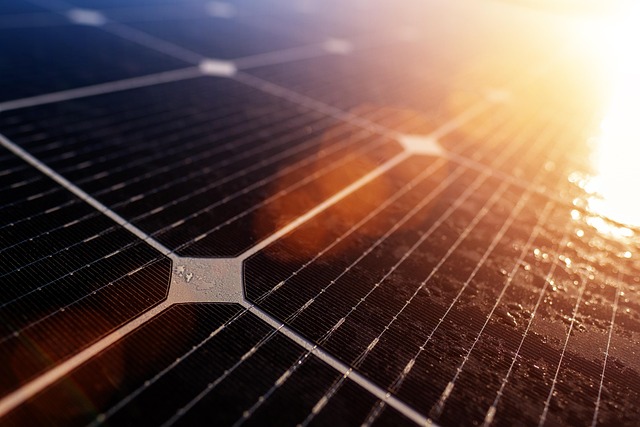
Transparent Solar Cells in the Context of Power Generation
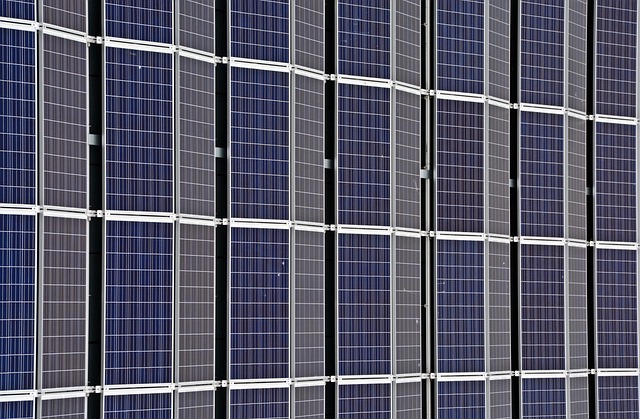
Transparent solar cells convert sunlight into electrical energy while allowing visible light to pass through. Unlike traditional opaque modules that block light entirely, these cells use selective absorption materials targeting ultraviolet and infrared wavelengths. The ability to integrate them into glass surfaces—such as office towers or greenhouse panels—expands the potential for distributed generation far beyond rooftops.
The Role of Solar Powered Generators in Energy Conversion Systems
Solar powered generators act as the backbone of these systems by storing and managing electricity from transparent panels. Their performance depends on how well they align with the voltage and current profiles of the photovoltaic input. Advances in solid-state inverters and battery management have significantly improved conversion rates, enabling seamless transitions between direct use, storage, and grid export.
Material Innovations Driving Transparent Solar Cell Efficiency
Material science defines the pace at which transparent photovoltaics evolve. Researchers are exploring organic compounds, perovskites, and nanostructured coatings to balance transparency with electrical output.
Organic and Perovskite-Based Transparent Photovoltaics
Organic semiconductors allow adjustable transparency by tuning molecular structures but often trade efficiency for visual clarity. Perovskite-based cells provide higher absorption coefficients and tunable bandgaps that can target non-visible spectra while keeping visible transparency intact. However, both face durability challenges under prolonged ultraviolet exposure, making encapsulation research essential for long-term stability.
Nanostructured Materials for Enhanced Light Management
Nanophotonic coatings manipulate light paths at the subwavelength scale to trap more photons without reducing transparency. Quantum dots add another layer of control by absorbing specific wavelengths that standard materials miss. Meanwhile, transparent conductive oxides like indium tin oxide or graphene maintain conductivity with minimal optical interference.
Integrating Transparent Solar Cells into Solar Powered Generator Systems
System integration is where optical design meets electrical engineering. Aligning transparent modules with generator systems requires precise control over voltage levels, current flow, and real-time optimization algorithms.
Electrical Interface Design Between Transparent Modules and Generators
Voltage matching between panels and generator inverters is crucial for minimizing conversion losses. Maximum Power Point Tracking (MPPT) algorithms must adjust dynamically since partial transparency changes irradiance patterns across each cell. Engineers often balance aesthetic goals—like window clarity—with electrical efficiency through adaptive circuit configurations.
Storage and Energy Flow Optimization Strategies
Hybrid storage setups combining lithium-ion batteries with supercapacitors handle fluctuating sunlight more effectively than single-technology systems. Smart controllers distribute power between immediate consumption, charging cycles, or grid export based on real-time data from embedded sensors. In commercial buildings, this approach stabilizes internal loads while contributing surplus energy back to local networks.
Architectural Applications of Transparent Solar Power Generation
The fusion of design and function makes transparent photovoltaics particularly attractive in architecture and mobility sectors where surfaces already exist but remain energetically passive.
Building Integrated Photovoltaics (BIPV) with Transparency Functionality
Transparent solar windows replace standard glazing without compromising daylight quality. In high-rise offices or shopping centers, they reduce cooling loads by filtering infrared radiation while producing electricity simultaneously. Modern BIPV installations demonstrate how energy-positive facades can offset significant portions of a building’s annual consumption.
Urban Infrastructure and Mobility Applications
Integrating transparent panels into vehicle sunroofs or public shelters transforms idle surfaces into micro power stations. Lightweight designs minimize structural impact while feeding small-scale solar powered generators embedded within transport systems or smart city infrastructure. This distributed model supports urban electrification goals without requiring additional land use.
Evaluating Efficiency Metrics for Transparent Solar Energy Systems
Assessing performance involves more than just cell-level efficiency; it requires examining how optical properties influence total system yield under real conditions.
Optical-Electrical Trade-offs in Transparency Design
Higher transparency typically reduces photon capture because less light interacts with active layers. To mitigate this effect, spectral selectivity techniques focus absorption on near-infrared bands invisible to humans while letting visible light pass freely. Measuring success therefore includes both electrical output per area and perceived brightness levels inside occupied spaces.
Measuring System-Level Efficiency Beyond Cell Performance
Generator efficiency reflects cumulative effects from inverter losses, temperature fluctuations, shading patterns, and storage round-trip ratios. For example, a façade facing east may perform differently throughout the day compared to one oriented south even if both use identical cells. Lifecycle analysis helps quantify whether manufacturing energy costs are justified by operational savings over decades.
Future Research Directions in Transparent Solar Generation Systems
The next phase centers on durability improvement, scalable manufacturing, and digital integration within broader smart grid ecosystems.
Advanced Material Engineering for Higher Stability and Yield
New encapsulation methods aim to shield sensitive layers from oxygen and moisture without reducing optical clarity. Multi-junction transparent architectures stack materials with complementary spectral responses to push conversion efficiencies higher than single-layer designs. Industrial research now targets roll-to-roll fabrication compatible with large glass sheets used in construction sectors worldwide.
Integration with Smart Grid and IoT-Based Energy Management
IoT-enabled sensors embedded in panels monitor voltage drift, temperature shifts, or microcracks continuously. Predictive analytics then schedule maintenance before failures occur. When linked to smart grids, these data streams allow buildings to adjust consumption dynamically based on weather forecasts or occupancy trends—turning once-passive windows into responsive energy assets.
FAQ
Q1: How do transparent solar cells differ from traditional photovoltaic panels?
A: They transmit visible light while converting ultraviolet and infrared wavelengths into electricity, unlike opaque silicon modules that block all light.
Q2: Can transparent solar cells power entire buildings?
A: Alone they may not meet full demand but combined with efficient solar powered generators they can significantly offset grid dependence.
Q3: What limits their current efficiency?
A: The trade-off between optical transparency and photon absorption remains a key technical constraint affecting total power density.
Q4: Are perovskite-based transparent cells commercially viable yet?
A: Pilot projects exist but large-scale deployment awaits improvements in stability under prolonged UV exposure.
Q5: How long do these systems typically last?
A: With proper encapsulation transparent photovoltaic modules can maintain over 80% performance after 20 years depending on environmental conditions measured under IEC standards.