
BMW’s Best-Selling EV Will Be Phased Out Much Sooner Than You Might Expect
BMW’s decision to retire its best-selling electric model earlier than anticipated signals a major shift in its electrification roadmap. The company is refocusing resources on next-generation battery systems and software-defined architectures that can sustain profitability and performance leadership. This early phase-out is not a retreat from electric mobility but a recalibration toward scalable technology platforms that align with BMW’s long-term goals for carbon neutrality and digital integration.
The Strategic Context Behind BMW’s EV Phase-Out
BMW’s move fits within a broader strategic transformation of its product line. The brand aims to transition from first-generation EV architectures toward more efficient, modular systems that can underpin multiple models globally.
Understanding BMW’s Current EV Portfolio
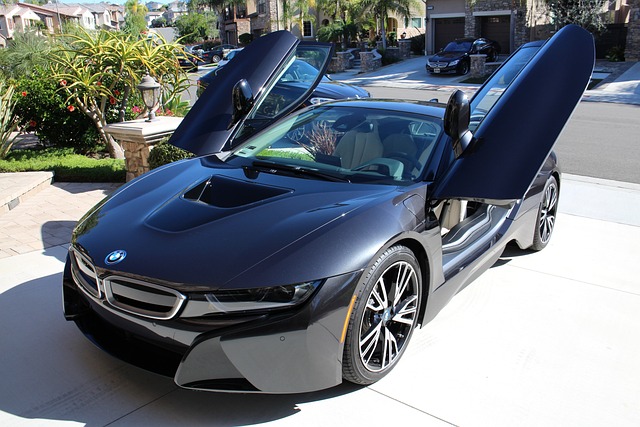
BMW’s electric lineup currently includes models such as the i4, iX, i7, and the compact iX1, each targeting distinct customer segments within the premium EV market. The model slated for discontinuation has served as an entry point for new EV buyers, helping BMW establish early market credibility. Its strong sales in Europe and China have reinforced the brand’s position as a serious competitor to Tesla and Mercedes-Benz in the luxury EV segment. However, shifting consumer expectations around range, charging speed, and digital features are now outpacing what this model can deliver.
Corporate Strategy and Product Lifecycle Considerations
In the automotive industry, product lifecycles typically span six to eight years before major redesigns or replacements occur. Early phase-outs often reflect strategic realignment rather than failure. For BMW, the decision likely stems from production cost pressures and the need to streamline manufacturing under its “Neue Klasse” platform strategy. By retiring older models sooner, BMW can redirect capacity toward vehicles built on flexible architectures designed for both combustion and electric drivetrains—an approach that supports efficiency across global plants.
Market Dynamics Influencing the Decision
The competitive environment around bmw ev car models has intensified dramatically over the past two years. New entrants from China and established players from Europe are reshaping pricing dynamics and consumer expectations.
Competitive Pressure in the Global EV Market
Tesla continues to dominate global EV sales volumes while BYD has surged ahead in affordability and vertical integration. European newcomers are also introducing high-performance models at lower prices. For legacy automakers like BMW, maintaining price competitiveness without eroding margins is increasingly difficult. Customers now expect cutting-edge battery efficiency, over-the-air updates, and seamless infotainment—all areas where newer platforms outperform older ones.
Regulatory and Environmental Policy Impacts
Evolving emissions regulations across the EU and US are accelerating transitions toward zero-emission fleets. Compliance costs tied to outdated battery chemistries or less efficient power electronics can quickly erode profitability. At the same time, subsidies for next-generation battery production—especially solid-state systems—are reshaping investment priorities within automakers’ R&D budgets. These policy shifts make it financially prudent for BMW to sunset less advanced models earlier than planned.
Technological Factors Driving Early Phase-Out Decisions
Technology obsolescence remains one of the most decisive factors behind early product retirement in the EV sector. Battery chemistry evolution and software-defined vehicle architectures both exert pressure on legacy designs.
Battery Technology Evolution and Its Consequences
The industry is moving rapidly toward solid-state batteries that promise higher energy density, faster charging times, and improved safety compared with current lithium-ion cells. Transitioning production lines to accommodate these new chemistries entails substantial retooling costs but offers long-term gains in efficiency and range performance. Maintaining older lithium-ion–based models would divert resources from these future-ready investments.
Software Integration and Digital Ecosystem Limitations
Modern consumers increasingly view cars as digital devices on wheels. Legacy electronic control units often struggle to support continuous software updates or advanced driver-assistance features demanded by premium buyers. BMW’s upcoming platforms will integrate centralized computing systems capable of real-time data processing—a leap forward compared with distributed systems used in earlier bmw ev car generations.
Financial and Operational Implications for BMW
The economic rationale behind an early phase-out extends beyond technology; it also reflects deep operational recalibration aimed at cost control and manufacturing flexibility.
Manufacturing Efficiency and Supply Chain Optimization
Maintaining parallel production lines for outdated platforms inflates overhead costs across logistics, tooling, and supplier management. By consolidating operations under newer architectures, BMW can simplify procurement relationships while improving utilization rates at key facilities like Dingolfing or Leipzig. Such restructuring also supports regionalized supply chains aligned with evolving trade policies.
Investor Perception and Market Valuation Effects
Investors often interpret early retirements as evidence of strategic agility rather than instability—provided communication is transparent. For BMW, framing this decision as part of a forward-looking transformation narrative helps preserve confidence among shareholders focused on long-term innovation capacity rather than short-term volume metrics.
Broader Industry Implications for Experts to Consider
BMW’s move offers valuable lessons for strategists across the automotive sector about timing technological transitions without alienating loyal customers or disrupting supply ecosystems.
Lessons for Automotive Strategists and Engineers
Phasing out a successful model demands careful balance between innovation speed and platform stability. Engineers must weigh whether incremental upgrades justify continued investment or whether full platform renewal yields better returns. Modular design philosophies increasingly prove essential in managing these transitions efficiently.
Forecasting Future Trends in the Premium EV Segment
Luxury brands are converging toward unified global platforms capable of supporting multiple body styles through shared hardware backbones and software stacks. Artificial intelligence–driven design tools will soon accelerate development cycles while optimizing aerodynamics, weight distribution, and energy efficiency simultaneously. Consumers will likely prioritize sustainability credentials alongside digital connectivity when evaluating premium electric options over the next decade.
FAQ
Q1: Why is BMW phasing out its best-selling EV so soon?
A: The company is shifting focus toward next-generation platforms featuring advanced batteries and integrated software systems that offer better scalability across future models.
Q2: Does this mean BMW is stepping back from electric mobility?
A: No, it reflects a reallocation of resources toward more efficient architectures rather than a retreat from electrification goals.
Q3: How will this affect existing owners of the phased-out model?
A: Support services such as maintenance parts availability will continue through standard warranty periods; however, software updates may taper off as new platforms dominate development efforts.
Q4: What role do government policies play in this decision?
A: Stricter emission targets and incentives for advanced battery technologies have made older designs less viable economically under current regulatory frameworks.
Q5: What can other automakers learn from this move?
A: They can study how proactive lifecycle management combined with transparent investor communication helps maintain brand equity during rapid technological transitions in the EV market.