
2026 Chevrolet Equinox EV vs 2026 Ford Mustang Mach-E: Which Car Wins?
The 2026 Ford Mustang Mach-E and Chevrolet Equinox EV represent two distinct philosophies in the electric SUV market. The Mustang EV continues Ford’s legacy of performance and emotional design, while the Equinox EV focuses on accessibility and efficiency. For buyers seeking spirited acceleration and refined handling, the Mustang Mach-E still leads. Yet for those prioritizing value, range, and practicality, the Equinox EV offers a compelling proposition. In short, both vehicles succeed in their missions but appeal to different priorities—performance versus pragmatism.
Comparing the 2026 Mustang EV and Chevrolet Equinox EV in the Evolving Electric SUV Market
Both automakers are adapting their strategies to a fast-changing EV landscape defined by stricter emissions standards and evolving consumer expectations. The Mustang Mach-E builds on Ford’s performance heritage, while GM’s Equinox EV aims to democratize electric mobility across mainstream buyers.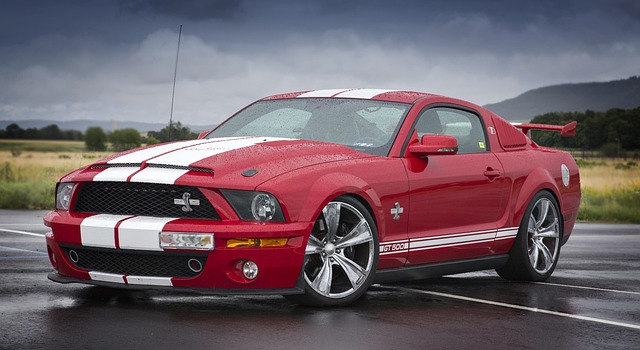
Positioning of Both Models in the EV Segment
The Mustang Mach-E extends Ford’s performance DNA into the electric SUV space. It blends coupe-like styling with all-electric propulsion, signaling that emotional engagement remains central to Ford’s electrification plan. The 2026 Chevrolet Equinox EV instead reflects GM’s mass-market approach through its Ultium platform—scalable, cost-efficient, and designed for volume production. While both compete around similar price points, their target audiences diverge: one seeks thrill, the other seeks practicality.
Market Expectations and Strategic Objectives
Ford intends to reinforce its high-performance identity through electrification by aligning the Mustang sub-brand with innovation rather than nostalgia. GM’s approach is broader; it emphasizes affordability and scalability through Ultium-based models that share components across multiple nameplates. These strategic choices reveal how each brand measures success—Ford through brand passion, GM through market reach.
Powertrain and Performance Analysis
Performance remains a key differentiator in this comparison. While both SUVs rely on advanced electric drivetrains, their execution varies significantly in tuning philosophy and energy management.
Electric Motor Configuration and Output Comparison
The Mustang Mach-E offers single- and dual-motor configurations delivering outputs up to roughly 480 horsepower in GT variants. Its setup prioritizes responsiveness and torque immediacy for an engaging drive. The Equinox EV uses GM’s Ultium Drive motors engineered for balanced efficiency rather than outright speed. Though less aggressive in character, its power delivery feels smooth and predictable—ideal for daily commuting or family use.
Battery Technology and Range Efficiency
Battery chemistry plays a pivotal role here. The Mach-E employs lithium-ion packs emphasizing performance density, while the Equinox EV relies on Ultium cells optimized for cost-effective scalability. Expected ranges differ by trim: extended-range versions of both exceed 300 miles under ideal conditions. Charging compatibility also matters; both support DC fast charging but vary slightly in peak charge rates depending on configuration.
Driving Dynamics and Handling Characteristics
Beyond straight-line speed, chassis engineering defines how these SUVs behave on real roads. Their contrasting suspension setups highlight different philosophies toward ride comfort versus agility.
Chassis Engineering and Suspension Tuning
Ford tunes the Mustang EV with sport-oriented suspension geometry that sharpens turn-in response while maintaining composure at higher speeds. Adaptive dampers further refine control during spirited driving. By contrast, Chevrolet calibrates the Equinox EV for comfort-first dynamics—softer damping, linear steering feel, and reduced body roll aimed at long-distance ease rather than track-day precision.
Regenerative Braking Systems and Energy Recovery Efficiency
Both vehicles feature regenerative braking systems adjustable through drive modes. The Mach-E delivers a more aggressive regen profile resembling engine braking from traditional sports cars. The Equinox’s system favors seamless transitions between friction braking and regeneration for smoother stop-and-go experiences—important for urban drivers seeking comfort over intensity.
Interior Design, Technology Integration, and User Experience
Inside these SUVs lies another philosophical divide: one prioritizes driver engagement; the other emphasizes intuitive usability.
Cabin Layout and Material Quality Assessment
The Mustang Mach-E adopts a driver-centric cockpit with premium materials such as soft-touch panels and metallic accents that evoke sportiness without excess flash. In contrast, the Equinox EV focuses on visibility, spaciousness, and ergonomic simplicity—reflecting Chevrolet’s family-oriented audience. Material quality is solid but leans toward practicality rather than luxury cues.
Infotainment Systems and Digital Ecosystem Connectivity
Ford’s SYNC software anchors its infotainment experience with over-the-air updates that continuously refine interface performance. Personalization features allow drivers to tailor display layouts or climate preferences seamlessly. GM counters with its Ultifi platform—a unified digital ecosystem supporting app integration, remote diagnostics, and future subscription-based enhancements. Interface responsiveness remains strong across both systems though design aesthetics differ notably.
Safety Systems and Driver Assistance Technologies
Safety technology now defines buyer expectations as much as horsepower figures do in this segment.
Advanced Driver Assistance Feature Comparison
Both SUVs integrate adaptive cruise control, lane-centering assist, blind-spot monitoring, automated parking functions, and forward collision mitigation as standard or optional features depending on trim level. Their sensor fusion strategies differ slightly: Ford blends radar with camera-based perception; GM leans heavier on high-resolution cameras tied into predictive software logic. Continuous software updates expand capabilities post-purchase—a growing trend across modern EVs.
Pricing Structure, Trim Levels, and Ownership Economics
Price positioning often determines which model resonates stronger among mainstream buyers transitioning from gasoline vehicles.
Cost-to-Performance Evaluation Across Trims
Mustang Mach-E pricing scales upward alongside performance upgrades—from base Select trims to GT Performance editions offering extended range batteries at premium prices per kilowatt-hour delivered. The Equinox EV emphasizes value by bundling essential features even at entry-level trims while maintaining competitive range figures across variants—an approach aligned with GM’s goal of broad adoption rather than niche appeal.
Maintenance Considerations and Long-Term Value Retention
Both automakers provide generous battery warranties typically spanning eight years or 100,000 miles—a standard benchmark within IEC-referenced durability frameworks for lithium-ion systems. Predictive maintenance analytics embedded within vehicle software help minimize downtime by flagging potential component wear early via telematics data streams compliant with IEEE communication standards. Residual value projections favor models demonstrating consistent OTA support cycles since ongoing updates sustain relevance longer within resale markets tracked by Bloomberg Automotive Indexes.
Future Outlook: Technological Trajectories Beyond 2026 Models
As electrification accelerates globally under IEA policy scenarios projecting exponential growth through 2030, both brands must evolve beyond hardware improvements toward smarter ecosystems integrating AI-driven adaptability.
Software Evolution Through Over-the-Air Enhancements
Continuous firmware updates will enhance not just infotainment but also drivetrain calibration over time—effectively improving acceleration curves or regenerative braking smoothness via cloud-based optimization protocols referenced under ISO automotive cybersecurity standards ensuring secure transmissions between servers and onboard ECUs.
Implications for Brand Electrification Strategies
Ford’s expansion of the Mustang sub-brand signals sustained investment into high-performance electric derivatives potentially including coupe-inspired crossovers sharing modular architectures with next-gen battery packs targeting higher discharge rates per IEC testing cycles. Meanwhile GM leverages Ultium scalability to underpin future models beyond Equinox—from compact crossovers to full-size SUVs—creating economies of scale critical for long-term profitability amid tightening global emission mandates monitored by Reuters Energy Transition datasets.
FAQ
Q1: Which model offers better driving performance?
A: The Ford Mustang Mach-E delivers sharper handling thanks to its sport-tuned suspension and dual-motor setup emphasizing torque response over efficiency.
Q2: How do their ranges compare?
A: Both exceed 300 miles in extended-range trims under ideal test conditions though real-world results depend heavily on driving style and temperature variations.
Q3: Which has superior charging capability?
A: Each supports DC fast charging; however peak rates vary slightly by trim with Ford offering marginally faster recovery times from 10% to 80%.
Q4: Are maintenance costs lower than gas SUVs?
A: Yes—fewer moving parts reduce routine service needs while predictive diagnostics further cut unplanned repairs across both lineups.
Q5: Which vehicle holds better resale value?
A: Historically performance-oriented models like the Mustang retain higher residuals due to brand desirability though long-term OTA support could narrow this gap for GM’s Equinox EV series.