Used MG ZS EV Review (2019–2025)
The MG ZS EV has steadily matured from a budget-friendly electric SUV into a credible player in the compact EV market. Between 2019 and 2025, its evolution in design, battery capacity, and driving refinement has reshaped buyer perception and resale trends. For used buyers, the key takeaway is that the MG ZS EV’s value retention depends heavily on battery health, software support, and market sentiment rather than just age or mileage. Current data shows that while early models depreciate faster, newer variants with improved range and tech features sustain stronger resale values across regions.
Understanding the MG ZS EV’s Market Position
The MG ZS EV occupies a unique niche as an affordable yet feature-rich electric SUV. Its position has been influenced by MG’s strategy of balancing cost efficiency with evolving technology to attract both first-time EV buyers and fleet operators.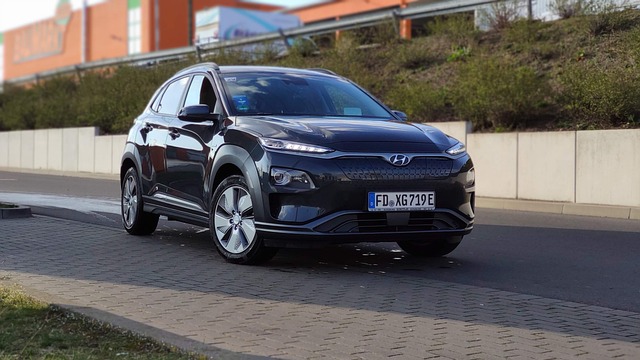
Overview of the MG ZS EV Lineup (2019–2025)
The first-generation model launched in 2019 featured a 44.5 kWh battery with around 263 km of real-world range. By 2021, MG introduced a facelift offering a larger 50.3 kWh pack and sharper exterior styling. The 2022–2025 updates focused on digital instrumentation, faster charging rates, and improved infotainment systems. These enhancements not only boosted performance but also elevated perceived quality—key factors influencing used market pricing. Compared to rivals like the Hyundai Kona Electric or Kia e-Niro, the MG ZS EV remains more affordable but slightly behind in range efficiency.
The Role of Brand Perception in Used EV Valuation
MG’s brand revival under Chinese ownership initially drew skepticism, but consistent reliability reports have improved buyer confidence. The company’s seven-year warranty coverage continues to play a major role in stabilizing used prices since remaining warranty years significantly affect resale negotiations. Buyers also respond positively to MG’s expanding service network and accessible parts supply, which reduce ownership anxiety common among early electric adopters.
Factors Influencing the Used MG ZS EV Price
Evaluating mg zs ev price trends requires attention to technical condition and software maintenance as much as external wear or mileage figures.
Battery Health and Longevity Considerations
Battery degradation is the single most critical determinant of resale value for any used electric vehicle. Early MG ZS EV units using NMC chemistry typically retain about 85% capacity after five years under normal use. Later models with thermal management systems show slower degradation rates, improving long-term value retention. Certified battery health reports are increasingly required by dealers to justify premium pricing for low-mileage examples.
Software Updates and Connectivity Features
Over-the-air updates have become essential for maintaining performance parity between older and newer models. Features such as regenerative braking calibration or infotainment responsiveness can be improved remotely, keeping older vehicles competitive in user experience. Buyers often check software version history when assessing listings; vehicles running outdated firmware generally sell at lower prices due to perceived neglect or limited feature support.
Mileage, Condition, and Ownership History
Mileage remains a straightforward depreciation factor: units exceeding 60,000 km typically see sharper value drops unless offset by full service records. Accident-free history combined with verifiable maintenance through authorized centers commands noticeable premiums in private sales. Urban-driven cars tend to show less mechanical wear than highway-driven ones due to lower average speeds but may exhibit cosmetic aging from city parking conditions.
Market Dynamics Affecting the Used MG ZS EV Value
Broader economic patterns and regional infrastructure development shape how quickly used electric SUVs like the MG ZS EV change hands.
Regional Variations in Pricing Trends
Urban markets with dense charging networks—such as London or Sydney—sustain higher used prices compared to rural areas where charging access remains limited. Domestic resale values also differ from imported units because local specifications influence compatibility with fast-charging standards and navigation maps. Regions offering purchase incentives for pre-owned EVs further stabilize demand by reducing entry costs for second owners.
Economic and Policy Factors Shaping the Used EV Market
Fluctuating fuel prices directly affect consumer interest: when petrol costs rise sharply, used EV inquiries surge within weeks. Government subsidies on new electric vehicles indirectly depress used values short term but encourage overall fleet electrification long term. As emission regulations tighten globally under frameworks like Euro 7 or equivalent national standards, even older electric models gain relevance compared with combustion counterparts facing restrictions.
Comparative Analysis: MG ZS EV vs Competitors in the Used Segment
A fair comparison against established rivals reveals how specification balance translates into retained value over time.
Price-to-Spec Ratio Against Other Compact Electric SUVs
Against competitors such as Hyundai Kona Electric (64 kWh), Kia e-Niro (64 kWh), and Nissan Leaf e+, the MG ZS EV offers less range but compensates through lower acquisition cost and generous equipment levels including adaptive cruise control and panoramic sunroof on higher trims. This favorable price-to-spec ratio keeps it attractive among budget-conscious buyers seeking modern safety tech without premium pricing.
Long-Term Depreciation Patterns Across Brands
Data from major auction platforms indicates that early MG ZS EV models lose around 45% of their original value within three years—slightly faster than Korean rivals but slower than some European entrants with smaller battery packs. Depreciation slows markedly after year four once warranty coverage remains substantial relative to total vehicle age, suggesting stable mid-term ownership economics for buyers entering at that stage.
Assessing True Value Beyond Price Tags
For professionals evaluating fleet acquisitions or advising clients on residual forecasting, focusing solely on sticker price misses broader cost implications tied to usage efficiency.
Evaluating Total Cost of Ownership for Used Buyers
Used electric SUVs like the MG ZS EV generally incur lower maintenance expenses due to fewer moving parts compared with internal combustion equivalents—no oil changes or exhaust replacements needed. Insurance premiums vary regionally but tend to align with similar-size crossovers once repair familiarity improves among workshops. Charging costs remain favorable where off-peak tariffs apply; however public DC charging can narrow savings if relied upon exclusively.
Predicting Future Resale Stability for MG ZS EV Models (2024–2030)
Between now and 2030, several factors will shape residual stability: advances in solid-state batteries could reduce perceived desirability of current lithium-ion packs; yet parallel improvements in recycling efficiency may offset depreciation pressure by lowering replacement costs. Next-generation MG models using modular platforms may also lift brand equity overall, indirectly supporting older variants’ appeal among pragmatic buyers prioritizing affordability over cutting-edge range metrics.
FAQ
Q1: What is the typical mg zs ev price in the used market?
A: Depending on model year and condition, prices generally range between mid-level compact SUV equivalents from internal combustion segments but vary significantly based on remaining warranty coverage.
Q2: How does battery health certification affect resale?
A: Verified reports confirming minimal degradation can increase sale value by up to 10%, especially when issued by authorized service centers.
Q3: Are early models less reliable than newer ones?
A: Not necessarily; while newer versions offer better efficiency and infotainment systems, core drivetrain reliability has remained consistent across all production years.
Q4: Does mileage matter more than software updates?
A: Both influence buyer perception differently—mileage reflects physical wear whereas software currency signals attentive ownership; balanced evidence of both yields best resale outcomes.
Q5: Will upcoming emissions policies make older electric SUVs more valuable?
A: Yes in certain markets where combustion bans accelerate; older compliant electrics could see renewed demand as affordable zero-emission options before widespread next-gen rollout.