
The clean energy sector is moving into a more practical phase
The clean energy sector in 2026 is no longer measured only by the number of solar panels, wind turbines or electric vehicles deployed. The harder question is whether these technologies can be integrated into power systems, supply chains, investment plans and industrial demand. Recent International Energy Agency data show the scale of the change: in 2025, solar PV became the largest single contributor to global energy demand growth, annual renewable capacity additions reached a record 800 gigawatts, and battery storage additions rose to 108 gigawatts. At the same time, electricity demand from data centres, industry, buildings and electric transport is putting pressure on grids in many markets.
The sector is still expanding, but the centre of gravity has shifted. Growth now depends as much on flexibility, permitting, financing and grid connection as it does on the cost of generation equipment. For readers following clean energy, this is the main market change behind the 2026 outlook.
What is included in the clean energy sector?
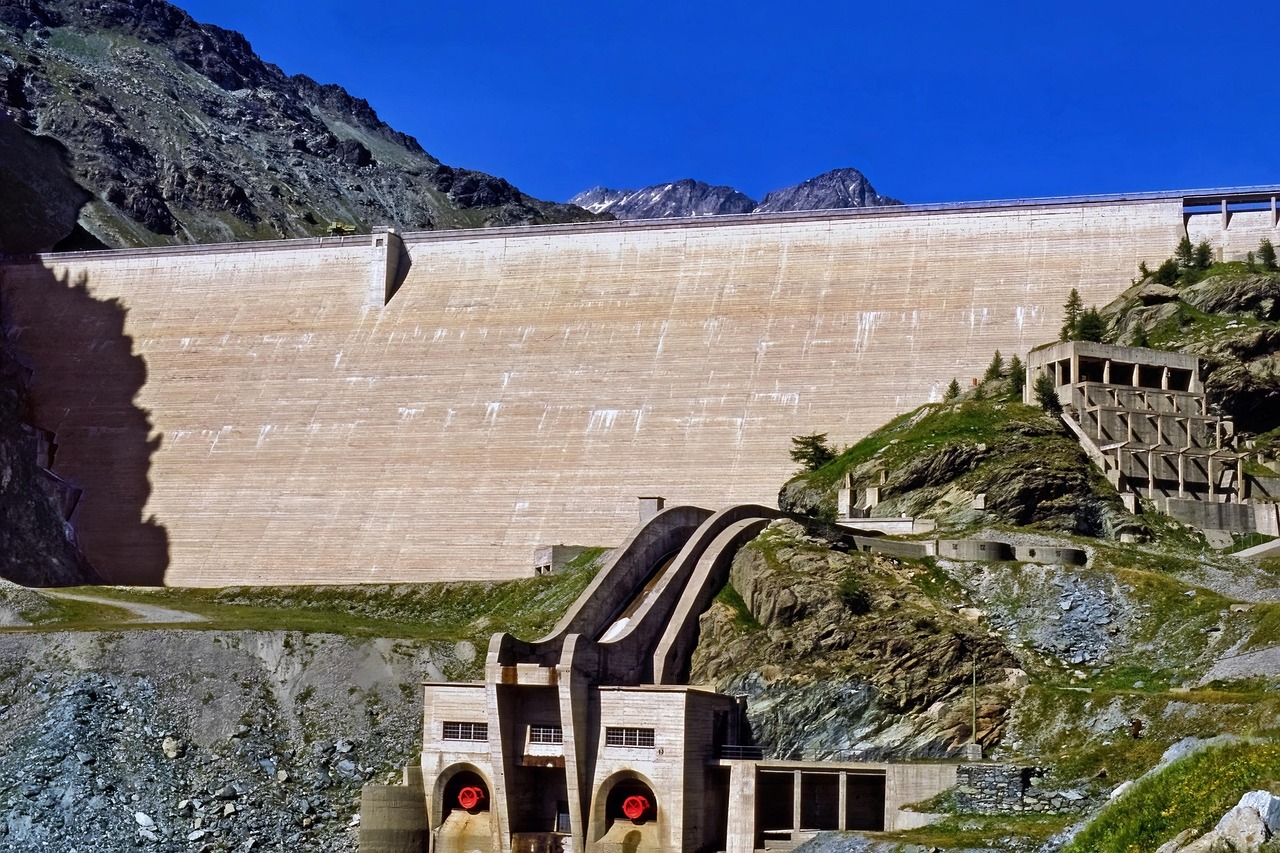
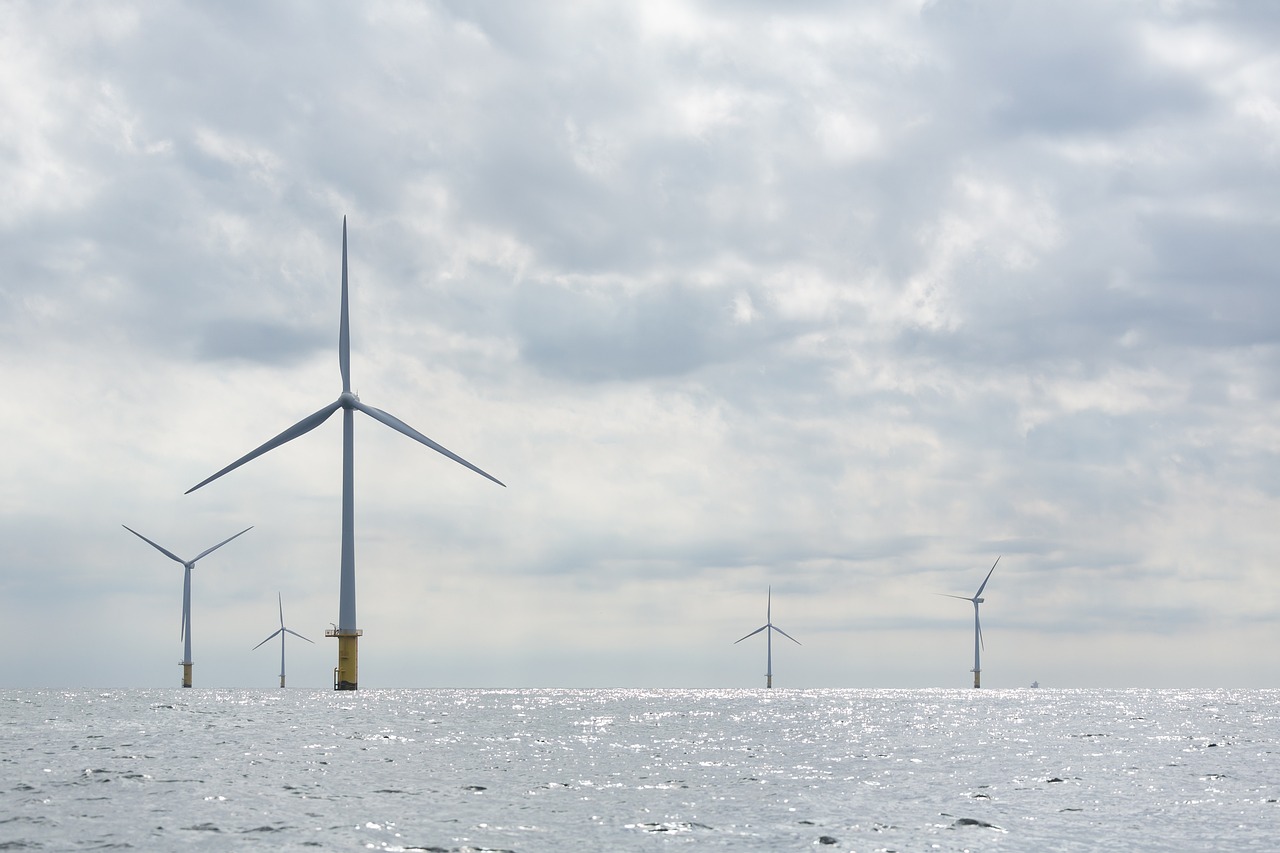
The term clean energy sector is often used broadly, so it helps to separate the main components. In industry analysis, it usually includes renewable power such as solar, wind, hydropower, geothermal and bioenergy; nuclear power in many low-emissions classifications; battery storage; power grids; energy efficiency; heat pumps; low-emissions fuels; electric vehicles and charging infrastructure; and the digital systems used to balance supply and demand.
This definition matters because the market is not moving as one uniform block. Solar manufacturing faces different economics from offshore wind. Battery storage is scaling faster than many grid planning processes can adapt. Electric vehicles are affecting oil demand and charging demand at the same time. Grid investment is becoming a bottleneck even in markets with large renewable project pipelines. A useful view of the sector has to connect these segments rather than treating them as separate trends.
Four data points that define the 2026 market
The latest full-year global evidence available in 2026 points to strong growth, but also to a more complicated operating environment. Four data points help explain the direction of the market.
| Market signal | Latest reported figure | Why it matters |
|---|---|---|
| Clean energy investment | The IEA estimated about USD 2.2 trillion in clean energy investment in 2025, compared with about USD 1.1 trillion for fossil fuels. | Capital is increasingly flowing toward electricity, grids, storage, efficiency and electrification, not only toward power generation. |
| Renewable capacity additions | The IEA reported record renewable capacity additions of about 800 GW in 2025, with solar representing roughly three-quarters. | Solar remains the main volume driver, but its growth increases the need for storage, flexible demand and grid upgrades. |
| Battery storage additions | The IEA reported 108 GW of new battery storage capacity deployed worldwide in 2025, around 40% more than in 2024. | Storage is moving from a supporting technology to a central tool for balancing variable renewable generation. |
| Electric car sales | The IEA’s Global EV Outlook 2026 reported that electric car sales exceeded 20 million in 2025, about one-quarter of new car sales. | Transport electrification is becoming a structural source of electricity demand and a constraint on oil demand growth. |
These figures do not mean the transition is complete. Fossil fuels still provide more than half of global electricity generation, according to the IEA’s 2026 energy review. What they do show is that clean technologies are now large enough to affect fuel demand, wholesale power prices, grid planning and industrial strategy.
Solar and batteries are setting the pace
Solar is the clearest growth engine
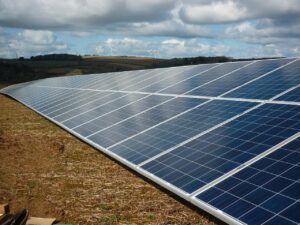
Solar PV has become the defining technology of the current clean energy expansion. The IEA reported that solar generation increased by about 600 terawatt-hours in 2025, the largest annual increase ever recorded for any electricity source outside exceptional post-crisis rebound periods. Solar output reached nearly 2,700 terawatt-hours and accounted for more than 8% of global electricity generation.
The reasons are straightforward. Solar projects are modular, relatively fast to build and supported by mature supply chains. In many markets, utility-scale solar is also among the lowest-cost sources of new electricity. Those advantages make solar attractive for utilities, corporations, governments and households. The constraint is timing: solar production is strongest during daylight hours, while demand may peak in the evening, during winter heating periods or around industrial operating schedules.
Battery storage is becoming a system asset
Battery storage is increasingly the technology that turns solar and wind capacity into more useful system capacity. In 2025, global battery storage additions rose to 108 GW, according to the IEA. Utility-scale batteries accounted for most of that growth, while behind-the-meter systems also expanded in markets with high retail electricity prices, reliability concerns or rooftop solar adoption.
The rise of lithium iron phosphate batteries has helped lower costs and improved suitability for frequent charging and discharging. For grid operators, batteries can shift solar output into evening hours, reduce curtailment, provide frequency response and defer some network upgrades. They do not remove the need for transmission investment or long-duration flexibility, but they are becoming one of the fastest ways to add short-term balancing capacity.
Grids and flexibility are now the critical constraint
The clean energy sector’s next challenge is not simply producing more electricity. It is delivering the right electricity, in the right place, at the right time. The IEA’s Electricity 2026 analysis reported that more than 2,500 GW of projects, including renewables, storage and large loads such as data centres, were stalled in grid connection queues worldwide. The same analysis indicated that annual grid investment would need to rise by roughly 50% by 2030 from about USD 400 billion today to meet expected demand growth.
This is why the discussion is shifting from generation costs to system costs. A solar project with a low bid price may still face long interconnection delays. A wind project may struggle if permitting, transmission access or supply chain capacity is weak. A data centre may secure land and financing before the local grid has enough firm capacity. These mismatches are becoming more visible as electricity demand accelerates.
Flexibility can come from several sources:
- Short-duration batteries that shift renewable output across hours.
- Demand response from industrial users, EV chargers, buildings and smart appliances.
- Expanded transmission that connects renewable resources with demand centres.
- Dispatchable low-emissions resources, including hydropower, geothermal, nuclear and some low-emissions fuels where available.
- Market rules that reward capacity, ramping capability and availability, not only energy volume.
The key point is that clean energy growth is becoming a power-system design challenge. Markets that solve interconnection, flexibility and pricing issues faster are likely to absorb higher shares of renewables with fewer reliability concerns.
Investment is large, but risks are more uneven
Clean energy investment is at record levels, yet the benefits and risks are unevenly distributed. The IEA’s World Energy Investment 2025 estimated total global energy investment at about USD 3.3 trillion, with roughly USD 2.2 trillion directed to clean technologies. That includes renewables, nuclear, grids, storage, low-emissions fuels, efficiency and electrification. The investment total reflects climate policy, but also energy security, industrial competitiveness and the cost advantage of many electricity-based technologies.
High deployment, however, does not guarantee healthy margins across the value chain. The IEA’s Renewables 2025 analysis noted that major solar and wind manufacturers faced financial pressure even as installations surged. In solar, oversupply and intense competition pushed prices sharply lower. Lower equipment prices help project developers and buyers, but they can weaken manufacturers and discourage investment in more diversified supply chains.
Supply concentration is another risk. The IEA has reported that key segments of solar PV manufacturing remain highly concentrated, while rare earth mining, refining and magnet production for wind turbines are also heavily concentrated. This does not mean deployment will stop. It does mean trade policy, industrial policy and material security are now part of clean energy planning.
Electric vehicles and data centres are changing demand
For years, clean energy analysis focused heavily on supply. In 2026, demand is just as important. Electric vehicles, data centres, heat pumps, industrial electrification and cooling loads are increasing the need for reliable power. The IEA reported that global electricity demand grew around 3% in 2025, about 2.3 times faster than total energy demand. See also: EVs.
Electric vehicles are one of the clearest examples of this shift. The IEA’s Global EV Outlook 2026 reported that electric car sales grew by about 20% in 2025 to exceed 20 million units, representing around one-quarter of new car sales. The agency expected sales to rise further in 2026. EVs can increase local grid stress if charging is unmanaged, but they can also become flexible demand if charging is shifted away from peak hours.
Data centres create a different challenge. Their loads are large, concentrated and often tied to fast-moving digital infrastructure plans. The IEA reported that data centres accounted for around half of US electricity demand growth in 2025. This does not mean every data centre is powered by fossil fuels or clean energy by default. It means procurement, grid location, backup power, hourly matching and local system capacity are becoming central to the sector’s credibility.
What the next phase means for businesses and policymakers
The 2026 clean energy sector rewards execution more than announcements. Project pipelines, climate targets and technology cost declines remain important, but they are not enough. The most valuable projects are increasingly those that can connect to the grid, secure equipment, manage price risk and provide system value.
For businesses, energy strategy needs to move beyond annual renewable procurement claims. Companies with large electricity demand should understand hourly consumption, grid constraints, storage options, demand flexibility and exposure to power price volatility. For manufacturers, low-cost clean electricity can be a competitiveness advantage, but only if it is reliable and available where production occurs.
For policymakers, the priority is to align permitting, grid investment, market design and industrial policy. Support for generation is useful, but delayed interconnections can reduce its impact. Incentives for domestic manufacturing can improve resilience, but they must be designed carefully to avoid raising deployment costs too sharply. Market reforms that reward flexibility may be as important as new capacity targets.
For investors, the sector is becoming more selective. Solar, batteries, grids, EV infrastructure and efficiency all have growth drivers, but project quality matters. Interconnection position, contract structure, technology risk, supply chain exposure and local policy stability can separate durable assets from speculative pipelines.
Key risks to watch through 2030
The overall direction of clean energy growth remains positive, but the path is not smooth. The IEA’s Renewables 2025 forecast expected global renewable power capacity to reach 2.6 times its 2022 level by 2030, which would still fall short of the COP28 goal to triple renewable capacity by 2030. That gap highlights the importance of implementation.
The main risks are practical rather than theoretical:
- Grid delays: Long connection queues can slow projects even when technology costs are attractive.
- Permitting barriers: Wind, transmission and large infrastructure projects can face long approval timelines.
- Supply chain concentration: Heavy dependence on a few regions can expose projects to trade, logistics and geopolitical risk.
- Market price pressure: High solar output can increase negative-price hours if flexibility does not keep pace.
- Financing gaps: Emerging and developing economies often face higher capital costs, slowing deployment where demand growth is strong.
The clean energy sector is therefore entering a more mature stage. Growth is still led by deployment, but leadership will increasingly come from solving bottlenecks. The companies, utilities and governments that build flexible, connected and resilient systems will shape the next phase more than those that focus only on headline capacity additions.
Frequently asked questions
Is the clean energy sector still growing in 2026?
Yes. Recent IEA data show record renewable capacity additions, rising battery storage deployment and strong EV sales. However, growth is becoming more dependent on grids, permitting, financing and flexibility rather than technology cost declines alone.
Which technology is leading clean energy growth?
Solar PV is the clearest volume leader. In 2025, it delivered the largest annual increase in electricity generation reported for any source outside unusual rebound periods, according to the IEA. Battery storage is the key supporting technology because it helps integrate solar and wind into power systems.
Why are grids such a major issue for clean energy?
Many clean energy projects need new or upgraded grid connections before they can operate. When transmission lines, substations and interconnection studies lag behind project development, otherwise viable solar, wind, storage or industrial projects can wait years before connecting.
Does clean energy investment mean fossil fuels are disappearing?
No. Clean energy investment is now much larger than fossil fuel investment, according to IEA estimates, but fossil fuels still provide a major share of global energy and electricity. The transition is changing the growth pattern of energy systems, not eliminating legacy fuels overnight.
What should readers watch next?
The most important signals are grid investment, battery deployment, renewable curtailment, EV charging demand, data-centre power procurement and policy stability. These factors will determine whether clean energy growth translates into reliable, lower-emissions energy systems.