
What clean green energy means
Clean green energy usually means energy that is low in pollution and supplied by renewable or highly efficient systems. In practical use, it covers solar, wind, geothermal, sustainable hydropower, selected bioenergy, energy storage, efficiency upgrades and smarter electricity use. The term needs some care. Not every low-carbon option is renewable, and not every renewable option has the same environmental footprint. For buyers, project developers and policy teams, the better question is not whether an option is simply clean or green, but how much it cuts emissions, how reliably it meets demand and what impacts it creates across its life cycle. More background is available in our clean energy section.
The U.S. Environmental Protection Agency describes green power as a subset of renewable energy with higher environmental benefit. Broader clean energy can also include energy efficiency and efficient combined heat and power. That distinction matters in real procurement and planning. A utility-scale solar farm, a wind project, a geothermal plant and a building efficiency retrofit can all support a cleaner energy system, but they do not deliver the same service or solve the same operating problem.
The main sources of clean green energy
Most clean green energy discussions start with electricity because power systems are central to decarbonizing transport, buildings and industry. As electricity becomes cleaner, electric vehicles, heat pumps, data centers and industrial equipment can reduce operating emissions. The main technologies are well known, but their roles differ by resource, location and grid need.
| Energy source | What it contributes | Key limitation to watch |
|---|---|---|
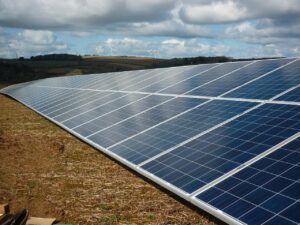
| Solar photovoltaic power | Fast deployment, modular projects and strong daytime generation | Output falls at night and varies with weather, so storage and flexible demand become important |
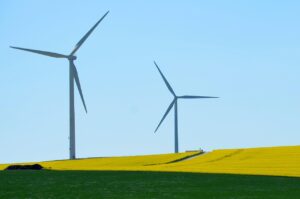
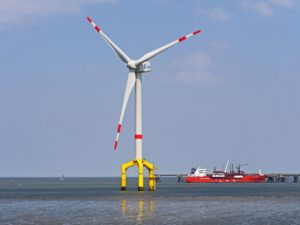
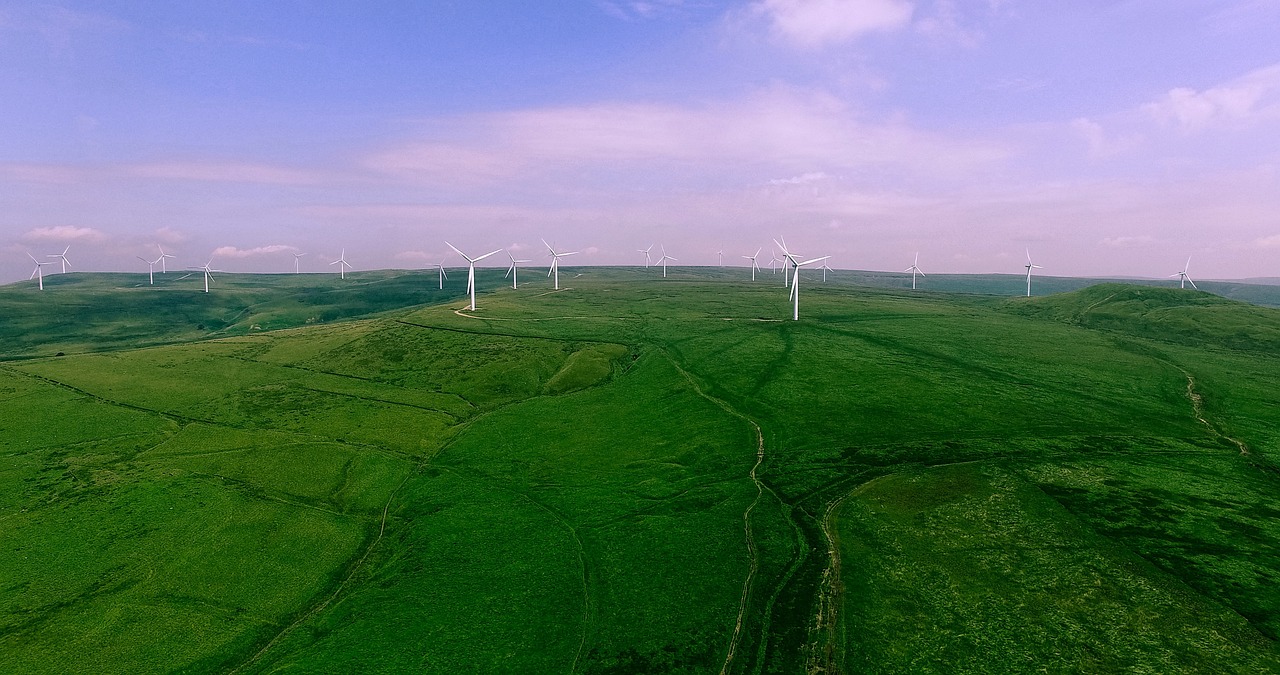
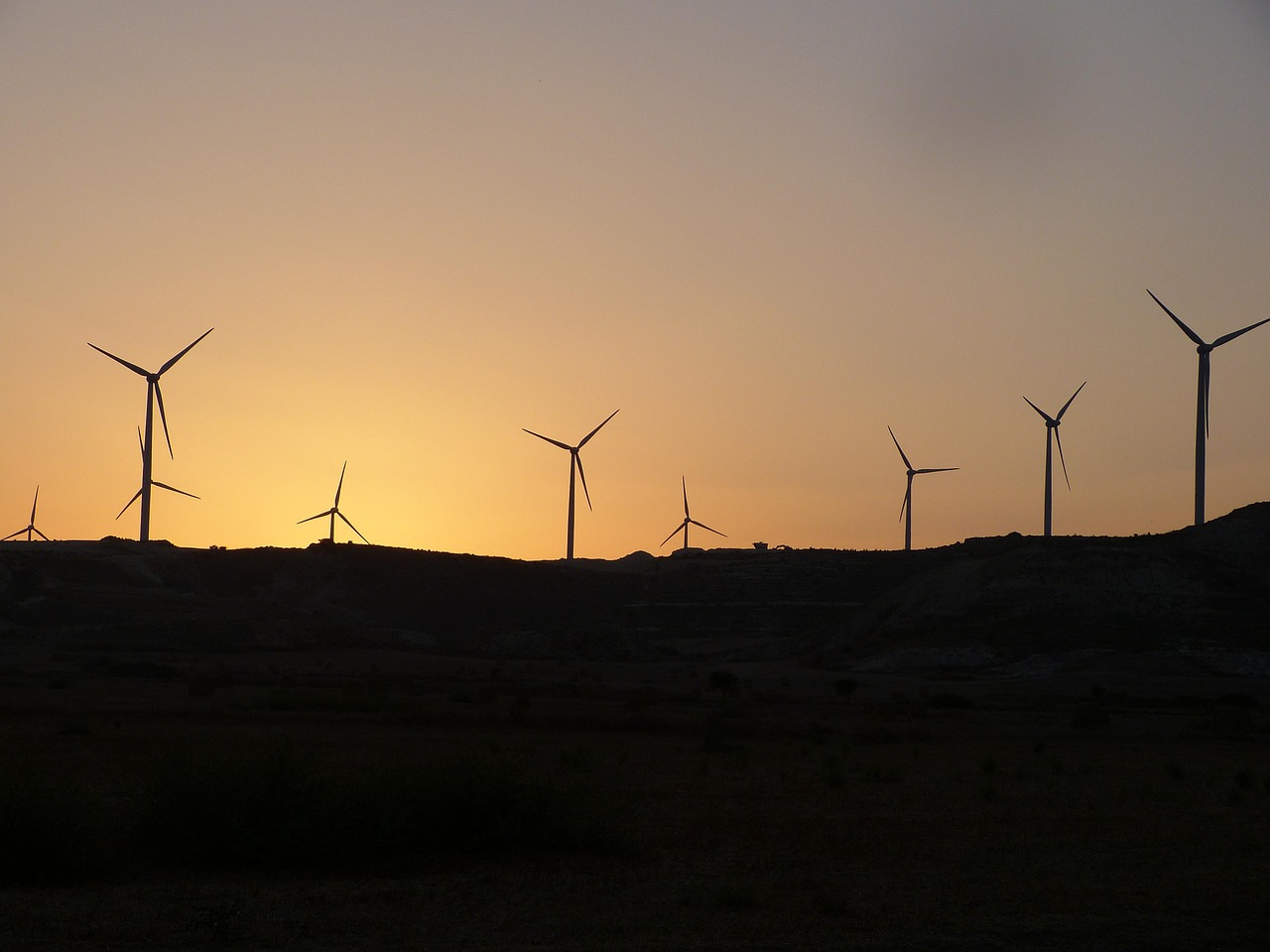
| Wind power | Large-scale electricity generation with very low operating emissions | Output varies by season, location and wind conditions |
| Hydropower | Dispatchable renewable power and storage potential in some regions | Environmental impacts, drought risk and limited suitable sites |
| Geothermal energy | Steady low-carbon heat and power where resources are available | High exploration risk and location-specific economics |
| Bioenergy | Useful for some fuels, waste streams and dispatchable energy | Sustainability depends on feedstock, land use and supply-chain emissions |
| Energy efficiency | Reduces the amount of energy required before new supply is built | Needs building upgrades, standards, financing and user participation |
| Battery storage and demand response | Shift energy across hours and reduce stress during peak demand | Not an energy source by itself and may need longer-duration complements |
Solar and wind often receive the most attention because they have scaled quickly and can be built in many markets. Hydropower remains a major renewable electricity source, although new large projects are limited by geography and ecological concerns. Geothermal and sustainable bioenergy are smaller globally, but they can provide firm or flexible output where conditions are suitable. Efficiency is sometimes treated as secondary, yet it is often the cleanest option because unused energy requires no generation, fuel, transmission or emissions.
Why clean green energy is growing faster
For energy buyers and planners, one important distinction is the gap between capacity growth and actual clean generation. Capacity measures how much equipment is installed. Generation measures how much electricity is produced. Both are important, but they are not interchangeable.
According to the International Renewable Energy Agency, global renewable power capacity reached 5,149 gigawatts at the end of 2025 after 692 gigawatts of additions during the year. The same 2026 statistical release reported that renewables represented 85.6% of total power capacity expansion in 2025, with solar and wind accounting for almost all net renewable additions. Solar alone added about 510 gigawatts and wind added about 159 gigawatts.
Generation is also changing, but at a more gradual pace. The International Energy Agency reported in its 2026 global review that low-emissions sources, including renewables and nuclear power, reached 43% of global electricity generation in 2025. The IEA also said renewable generation virtually matched coal-fired generation that year. In the United States, the Energy Information Administration reported that renewable energy sources supplied about 24% of utility-scale electricity generation in 2025, while fossil fuels still supplied about 58% and nuclear power about 18%.
These figures show why the transition is real but not complete. New solar and wind projects are being added at record levels, yet existing fossil plants, electricity demand growth, grid bottlenecks and regional differences still shape the pace of emissions reduction. Clean green energy expands its impact only when the power system can connect, dispatch and use it effectively.
Environmental value depends on life-cycle impact
The main environmental case for clean green energy is that most renewable electricity avoids fuel combustion during operation. That means lower direct carbon dioxide emissions and reduced air pollutants compared with coal, oil and gas generation. Life-cycle assessment looks beyond operation and includes materials, manufacturing, construction, transport, operation and end-of-life stages.
The National Renewable Energy Laboratory’s 2021 life-cycle update reported median published greenhouse gas values of roughly 13 grams of CO2-equivalent per kilowatt-hour for wind power and about 43 grams for photovoltaic solar power. Comparable median values for natural gas and coal power were much higher, at roughly 486 and 1,001 grams per kilowatt-hour. These figures do not describe every project, but they show the scale of the emissions gap between renewable electricity and fossil-fuel combustion.
Clean does not mean impact-free. Solar projects require land, modules, inverters and grid equipment. Wind projects require turbines, foundations, roads and transmission. Hydropower can affect rivers and ecosystems. Batteries require minerals, manufacturing and recycling systems. The practical conclusion is to assess siting, materials, supply chains and end-of-life management with the same discipline used for carbon reduction.
Cost, reliability and grid integration
Cost is one reason clean green energy has moved from a niche choice to a mainstream power-sector strategy. Lazard’s 2026 levelized cost analysis described renewables as remaining among the most cost-competitive new-build generation options on an unsubsidized basis, despite cost pressures affecting many technologies. Levelized cost, however, is only one measure. It does not fully capture grid connection costs, local congestion, storage needs, firm capacity value or the timing of electricity production.
Reliability depends on system design. Solar and wind output vary, so a high-renewable grid needs flexibility from several sources. The IEA’s work on integrating solar and wind highlights the need for stronger grids, storage, demand response, dispatchable resources, interconnection across regions and improved market rules. Adding more panels and turbines is not enough on its own. The system also needs wires, digital controls, storage assets and pricing signals that allow clean generation to serve demand when it is most valuable.
This is where public debate often becomes too simple. Critics may point to variability as proof that renewables cannot scale, while advocates may understate the operational changes required. A more practical view is that clean green energy can scale, but higher shares require planning. Early deployment may fit into existing grids with limited changes. Later stages require transmission expansion, faster interconnection, flexible loads, seasonal planning and investment in technologies that can cover long periods of low wind or low solar output. See also: EVs.
How to evaluate clean green energy claims
For households, companies and communities, the key issue is credibility. A product labeled clean green energy may refer to onsite generation, a utility tariff, a power purchase agreement, renewable energy certificates or a broader carbon claim. These options are not interchangeable.
- Check the source. Identify whether the electricity comes from solar, wind, hydro, geothermal, bioenergy or a mixed renewable portfolio.
- Ask about additionality. A stronger claim usually supports new or recent clean generation rather than only reallocating existing renewable attributes.
- Consider location. Renewable power has more grid value when it is connected where demand and fossil generation can actually be displaced.
- Look at timing. Annual matching is useful, but hourly matching better reflects whether clean supply aligns with electricity use.
- Include efficiency. Reducing demand can cut bills and emissions before new generation is purchased.
- Review contract terms. Long-term procurement can support project finance, while short-term claims may have a weaker connection to new capacity.
For businesses, clean energy procurement should not be treated only as a marketing label. It is also a risk, cost and operations issue. Electricity price volatility, grid reliability, data center growth, fleet electrification and emissions reporting all make energy strategy more important. For communities, the same discussion includes affordability, land use, local tax base, construction impacts and public participation.
What clean green energy means for the next stage of the transition
The next stage is less about proving that renewables work and more about building complete energy systems around them. Solar and wind have become major sources of new capacity. Storage is expanding. Efficiency remains underused. Electrification is increasing demand for cleaner power. At the same time, permitting delays, transmission congestion, supply-chain constraints and local opposition can slow progress.
A realistic clean green energy strategy has four parts. First, build low-emission generation where resource quality is strong and community acceptance is achievable. Second, modernize grids so clean power can move from where it is produced to where it is needed. Third, use storage, demand response and flexible operations to manage variability. Fourth, reduce waste through efficiency, because the cheapest and cleanest kilowatt-hour is often the one that does not need to be generated.
The clean energy transition is not a single technology race. It is a system redesign. The strongest projects, policies and business models will be those that combine emissions reduction with reliability, affordability, transparency and responsible environmental management.
Frequently asked questions
Is clean green energy the same as renewable energy?
Not always. Renewable energy comes from naturally replenished sources such as sun, wind, water, geothermal heat and biomass. Clean energy is broader and can include efficiency, storage, low-carbon fuels and other technologies that reduce pollution. Green power is often used for renewable electricity options with a superior environmental profile.
Which clean green energy source is most important?
There is no single source that fits every region. Solar and wind are leading new capacity additions globally, hydropower remains important in many established power systems, geothermal can provide steady output in suitable locations and efficiency reduces the need for supply. The best mix depends on local resources, demand patterns, grid conditions and environmental constraints.
Does clean green energy lower electricity bills?
It can, especially when low-cost renewable generation reduces fuel use or when efficiency lowers consumption. Customer bills, however, also include grid costs, capacity needs, taxes, market design and local infrastructure. Lower generation cost does not automatically mean lower retail bills unless the whole system is planned well.
Why are storage and transmission discussed with clean energy?
Solar and wind generation vary by time and weather. Storage shifts electricity across hours, while transmission moves power across regions. Demand response can also shift consumption. Together, these tools help clean generation serve demand more reliably and reduce curtailment.
How can a company avoid weak clean energy claims?
A company should document the energy source, certificate ownership, location, project age, contract structure and matching method. Stronger claims explain whether procurement supports new renewable capacity and how it affects the grid rather than relying on vague green language.