
Why alternative energy matters now
Alternative energy refers to energy sources that reduce dependence on conventional fossil fuels, especially coal, oil and unabated natural gas. In power-sector discussions, the term is most often used for renewable electricity from solar, wind, hydropower, geothermal and sustainable bioenergy. Some market and policy discussions also include nuclear power, hydrogen, long-duration storage and other low-carbon technologies.
For clean electricity systems, the practical point is clear: alternative energy is no longer a niche category. It is becoming a core part of power supply, led by rapid growth in solar and wind. How much of that clean power can be used, however, depends on grids, storage, permitting, market design and reliability planning.
This article explains the practical meaning of alternative energy for clean electricity systems, using recent public data from organizations such as the International Renewable Energy Agency, the International Energy Agency and the U.S. Energy Information Administration. For related updates, visit our clean energy section.
What counts as alternative energy
The phrase “alternative energy” is broader and less technical than “renewable energy.” Renewable energy usually means energy from resources that are naturally replenished, including sunlight, wind, moving water, geothermal heat and biomass. Alternative energy is commonly used by readers, policymakers and investors to describe energy sources that offer an alternative to high-emission fossil fuel systems.
That distinction matters. Not every alternative technology is renewable, and not every renewable resource is automatically low-impact. Nuclear power is low-carbon during operation but is not renewable under the usual resource-based definition. Hydrogen is an energy carrier, not a primary energy source, and its climate value depends on how it is produced. Bioenergy can be renewable, but its emissions profile depends on feedstock, land use, processing and combustion practices.
Main renewable electricity sources
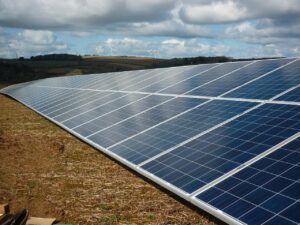
- Solar photovoltaic power converts sunlight into electricity and can be installed at utility scale, on rooftops or in distributed systems.
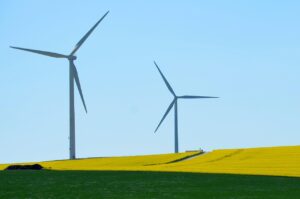
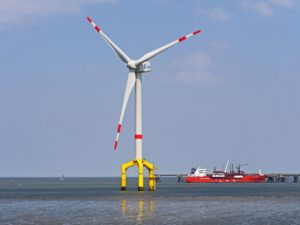
- Wind power uses land-based or offshore turbines to generate electricity from moving air.
- Hydropower uses flowing or stored water and can provide flexible generation, although drought and ecological impacts are important constraints.
- Geothermal energy uses heat from below the Earth’s surface and can provide steady output where suitable resources and drilling conditions exist.
- Bioenergy uses organic material such as residues, wastes or dedicated crops, but sustainability depends on lifecycle emissions and resource management.
Low-carbon options often discussed alongside renewables
Energy storage, advanced nuclear, renewable hydrogen, carbon capture for industrial facilities and demand-side flexibility are often included in broader clean energy planning. They do not replace every renewable source, but they can address system needs that variable generation alone cannot solve. Batteries, for example, can shift solar output into evening hours, while flexible demand can reduce pressure on the grid during peak periods.
What recent data says about growth and cost
Recent data shows why alternative energy has moved from environmental policy into mainstream power planning. According to the International Renewable Energy Agency’s 2026 renewable capacity statistics, global renewable power capacity reached 5,149 gigawatts at the end of 2025 after 692 gigawatts of additions during the year. The same source reported that renewables represented 85.6% of annual global power capacity additions in 2025, with solar and wind accounting for almost all net renewable additions.
The International Energy Agency’s Renewables 2025 outlook projected about 4,600 gigawatts of renewable electricity additions over 2025–2030. It also projected the share of renewables in global electricity generation to rise from 32% in 2024 to 43% by 2030. This is substantial growth, but it is not the same as a completed transition. Capacity still has to be connected to grids, operated reliably and matched with demand.
| Indicator | Recent figure | Why it matters |
|---|---|---|
| Global renewable capacity at end-2025 | 5,149 GW, according to IRENA | Shows renewable power is a major part of the global capacity base |
| Renewable additions in 2025 | 692 GW, according to IRENA | Indicates rapid annual buildout, especially from solar and wind |
| Renewables share of 2025 capacity additions | 85.6%, according to IRENA | Shows most new power capacity is now renewable |
| Projected renewable electricity additions for 2025–2030 | About 4,600 GW, according to IEA | Highlights the scale of near-term power-sector expansion |
| Projected renewable share of global generation in 2030 | 43%, according to IEA | Shows generation growth, not just capacity growth |
Cost data points in the same direction. IRENA’s 2024 power generation cost report found that onshore wind, solar photovoltaic and hydropower were among the lowest-cost new power generation options globally on a weighted-average basis. The report listed global weighted-average levelized costs of about USD 0.034 per kilowatt-hour for onshore wind, USD 0.043 per kilowatt-hour for solar PV and USD 0.057 per kilowatt-hour for hydropower in 2024.
These figures do not mean every project is cheap or straightforward. Financing costs, local labor markets, grid connection costs, permitting delays, import duties, land availability and interest rates can all change project economics. A solar plant in a high-irradiance region with a ready grid connection is a different investment from a project facing congestion, curtailment and long interconnection delays.
Why solar and wind are leading the shift
Solar and wind dominate alternative energy growth because they are modular, scalable and increasingly cost-competitive. Solar panels can be deployed on rooftops, commercial sites, brownfields and large utility-scale projects. Wind turbines can generate large volumes of electricity from strong land-based and offshore resources. Both technologies have benefited from manufacturing scale, learning effects and years of policy support.
Their rise is clear in electricity statistics. In the United States, the U.S. Energy Information Administration reported that wind and solar together generated a record 760,000 gigawatt-hours of electricity in 2025, equal to about 17% of U.S. electricity generation. That marks a major change from the early 2000s, when solar was a very small part of the grid and wind was still emerging as a large-scale power source.
Solar and wind, however, do not provide the same operating profile as conventional thermal plants. Solar output varies by time of day and weather. Wind output varies by weather pattern, geography and season. This does not make them unreliable by default, but it does mean power systems need forecasting, transmission, storage, flexible generation, demand response and market rules that reward flexibility.
The limits that decide real-world impact
The central challenge for alternative energy is no longer whether clean technologies can produce electricity at large scale. They can. The harder question is how quickly power systems can absorb more variable generation without increasing congestion, curtailment or reliability risks.
Grid connection and transmission
Many renewable projects are built where land, wind or sunlight is strong, not necessarily where electricity demand is highest. Transmission lines, substations and interconnection processes determine whether that power can reach customers. When grid upgrades lag behind development, projects may wait in queues, operate below potential or face curtailment during periods of oversupply.
Storage and flexibility
Batteries are increasingly important for short-duration balancing, especially in solar-heavy regions where midday generation can exceed local demand. Pumped hydropower, thermal storage, flexible industrial loads, smart charging for electric vehicles and long-duration storage technologies can also contribute. The right mix depends on local demand patterns, resource availability and market design. See also: EVs.
Permitting, land use and community acceptance
Alternative energy projects still occupy land, require materials and affect communities. Wind projects may raise concerns about views, wildlife and local siting. Solar farms may compete with agricultural or habitat priorities if poorly planned. Hydropower can affect river ecosystems, while biomass raises questions about feedstock sourcing and air emissions. Good project design and early community engagement are not optional extras; they are part of deployment capacity.
How to compare alternative energy options
A useful comparison should go beyond headline cost. The best option for one location may be unsuitable somewhere else. A coastal region with strong offshore wind resources has different choices from an inland industrial hub with large rooftops and high daytime electricity demand. A rural community with agricultural residues may consider bioenergy, while a volcanic region may have geothermal potential.
For businesses, municipalities and developers, the evaluation should include at least six factors:
- Resource quality: sunlight, wind speed, water flow, geothermal heat or sustainable biomass supply.
- Delivered cost: equipment, construction, financing, operation, grid connection and balancing costs.
- Generation profile: when the project produces electricity and how that matches demand.
- Reliability contribution: whether the resource can provide firm capacity, flexibility or only energy output.
- Environmental impact: emissions, land use, water use, biodiversity and material supply chains.
- Policy and market exposure: incentives, permitting rules, power prices, curtailment risk and contract structure.
This approach avoids a common mistake: treating alternative energy as a single solution. A resilient clean power system is usually a portfolio. Solar may provide low-cost daytime energy, wind may complement seasonal or nighttime patterns, hydropower or geothermal may add steadier output, and storage or demand flexibility may help match supply with use.
What alternative energy means for clean power strategy
The most important strategic shift is that alternative energy planning is becoming system planning. In earlier stages of deployment, the goal was often to prove that renewable technologies could work. In the current stage, the priority is integration: building grids, reforming markets, speeding interconnection, improving forecasting and aligning clean generation with electrified transport, buildings and industry.
For policymakers, this means renewable targets should be paired with transmission planning, permitting capacity and flexibility incentives. For investors, project value depends not only on generation cost but also on location, dispatch profile and grid access. For energy buyers, clean electricity procurement should consider hourly matching, contract risk and local grid conditions rather than relying only on annual certificate accounting.
Alternative energy is therefore both a technology shift and an infrastructure challenge. The technologies are increasingly mature, and the cost trend has changed the economics of new power supply. But the pace of fossil fuel displacement will depend on practical delivery: how fast clean projects are approved, connected, financed and operated as part of reliable power systems.
Frequently asked questions
Is alternative energy the same as renewable energy?
Not exactly. Renewable energy comes from naturally replenished resources such as sunlight, wind, water, geothermal heat and biomass. Alternative energy is a broader phrase that usually means alternatives to conventional fossil fuels and may include some low-carbon technologies that are not renewable.
Which alternative energy source is growing fastest?
Solar photovoltaic power is the leading source of new renewable capacity growth globally, with wind also contributing a large share. Recent IRENA and IEA data show that solar and wind together account for the overwhelming majority of new renewable power additions.
Is alternative energy always cheaper than fossil fuel power?
No. Global averages show that new solar and onshore wind are highly competitive, but local results vary. Financing costs, grid access, project size, permitting delays, fuel prices and market rules can change the comparison. A project should be judged by delivered cost and system value, not only by equipment cost.
Why does the grid matter so much for renewable energy?
Solar and wind projects only reduce fossil generation when their electricity can reach demand at the right time. Transmission, storage, demand response and flexible generation help integrate variable resources and reduce wasted output during periods of congestion or oversupply.
What is the biggest misconception about alternative energy?
The biggest misconception is that one technology can solve every energy problem. Clean power systems usually need a mix of resources, storage, grid investment, flexible demand and market rules that value reliability as well as low emissions.