
Clean solar energy now means more than electricity generated from sunlight. In 2026, it describes a fast-growing power source with very low operating emissions, falling or stable generation costs, and much closer scrutiny of its full life cycle. Public data from IEA PVPS, the International Energy Agency, IRENA, NREL and the U.S. Department of Energy point in the same direction: solar PV is expanding quickly, but its clean-energy value increasingly depends on manufacturing energy, grid flexibility, storage choices, land use and responsible end-of-life planning. For readers following broader clean energy trends, solar is no longer only a module-cost story. It is a system-integration story.
What clean solar energy means today
At its simplest, solar photovoltaic power converts sunlight into electricity without burning fuel at the point of generation. That gives solar a clear advantage over coal, oil and gas power because there is no continuous combustion, fuel transport or smokestack pollution during operation.
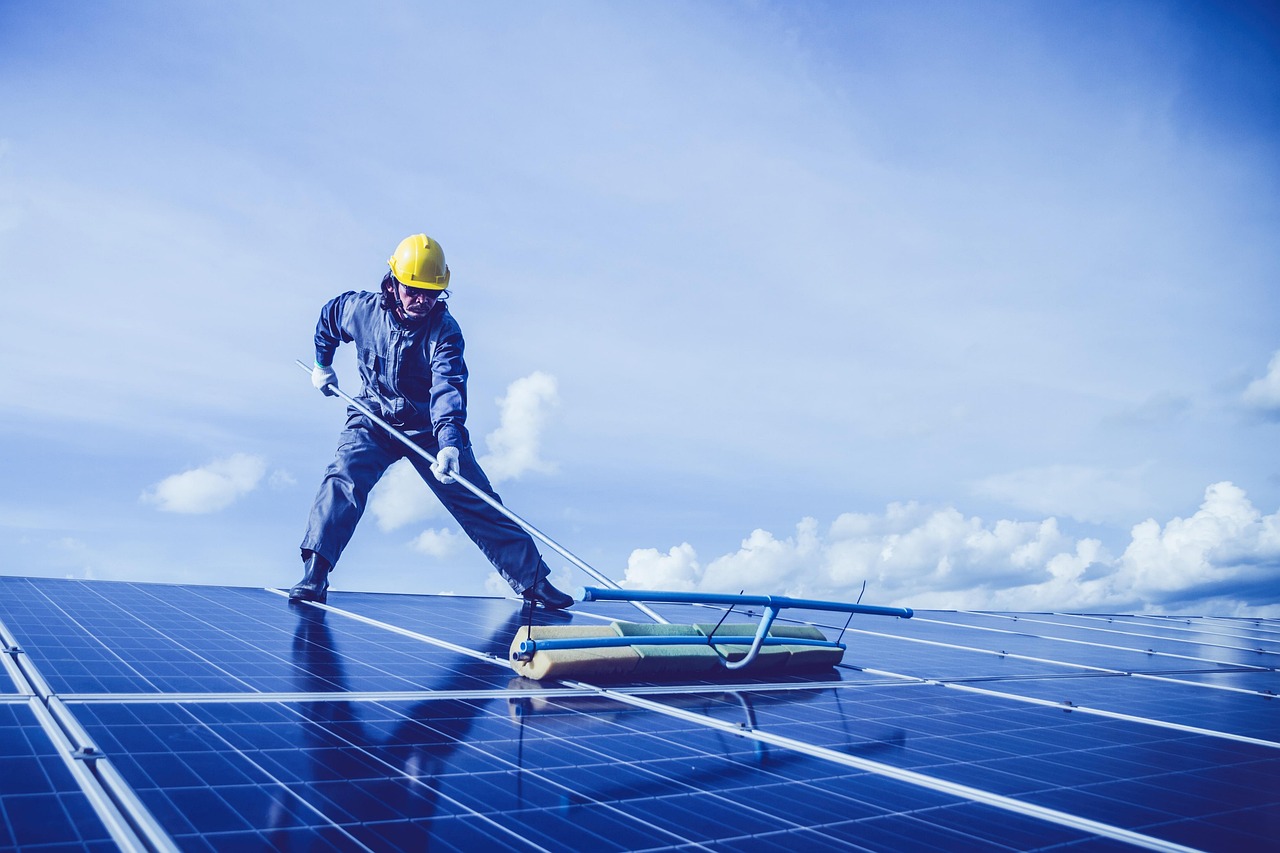
That advantage is real, but “clean” does not mean impact-free. A solar project still involves raw material extraction, polysilicon and wafer production, module assembly, inverters, racking, wiring, construction, maintenance and eventual decommissioning. The practical question is not whether solar has any footprint. It is whether its life-cycle impact is far lower than conventional fossil electricity, and whether the industry can reduce the remaining impacts as deployment grows.
A useful definition of clean solar energy includes four parts:
- Low-carbon generation: Solar produces electricity without direct fuel combustion during operation.
- Responsible manufacturing: The upstream footprint depends partly on the electricity and materials used to make modules and components.
- Smart grid integration: Solar becomes more valuable when paired with flexible demand, transmission, storage or complementary generation.
- End-of-life planning: Extending system life, repowering, reuse and recycling all affect the final environmental result.
The market signal is clear: solar is scaling quickly
Recent public reports do not count solar capacity in exactly the same way, but they agree on the direction. Solar PV is one of the fastest-growing electricity technologies in the world. IEA PVPS reported in its April 2026 Snapshot of Global PV Markets that global photovoltaic capacity rose to nearly 3 terawatts in 2025, with an estimated 698 gigawatts of new PV systems installed worldwide. The International Energy Agency’s Global Energy Review 2026 also reported that solar PV capacity additions in 2025 surpassed 600 gigawatts for the first time and that solar made up more than three-quarters of new renewable capacity additions.
Those figures should be read with care. Different organizations may use AC or DC capacity, preliminary estimates, national data, industry estimates or different technology groupings. Even with those differences, the broader conclusion is robust: solar is no longer a marginal technology. It is a central part of new power-system investment.
| Source | Latest reported period | Key solar signal | Why it matters |
|---|---|---|---|
| IEA PVPS Snapshot of Global PV Markets 2026 | 2025 | Estimated 698 GW of new PV and nearly 3 TW cumulative capacity | Shows the scale of global deployment and the importance of integration planning |
| IEA Global Energy Review 2026 | 2025 | Solar PV additions surpassed 600 GW and accounted for more than three-quarters of new renewable capacity | Confirms solar’s role as the main engine of renewable capacity growth |
| IRENA Renewable power generation costs in 2025 | 2025 | Solar PV contributed more than 500 GW of renewable capacity additions and held a global weighted-average LCOE of USD 44/MWh | Highlights the cost competitiveness of new utility-scale solar |
| NREL updated utility-scale PV life-cycle assessment | 2024 | U.S. utility-scale PV cases showed 10–36 g CO2e/kWh across life-cycle scenarios | Clarifies why solar is low-carbon but not impact-free |
Why solar is considered clean but not impact-free
The strongest environmental argument for solar is its low life-cycle greenhouse gas intensity. NREL’s updated 2024 life-cycle assessment of U.S. utility-scale solar PV found greenhouse gas emissions in the range of 10–36 grams of CO2 equivalent per kilowatt-hour across the scenarios it assessed. That estimate goes beyond the electricity generated at the project site. It applies a cradle-to-grave view that includes manufacturing, installation, operation and end-of-life assumptions.
The same NREL work found energy payback times ranging from 0.5 to 1.2 years in the studied U.S. utility-scale cases. In plain terms, under the study’s conditions and system designs, a PV system can generate the amount of energy required to make and deploy it within a small fraction of its operating life. The U.S. Department of Energy describes a typical PV system performance period as 20 to 30 years, which is why manufacturing impacts can be spread across decades of electricity generation.
Life-cycle results still vary. Solar projects in sunnier locations generally produce more electricity from the same equipment, which can lower emissions per kilowatt-hour. Manufacturing powered by lower-carbon electricity can also reduce upstream impacts. Conversely, oversized storage, weak system performance, higher replacement rates or limited recycling can increase the total footprint. Clean solar energy is therefore not a fixed label. It is an outcome shaped by design, sourcing, operation and end-of-life decisions.
Cost matters, but LCOE is not the whole system cost
Solar’s rapid growth is not only a climate-policy story. Economics matter. IRENA’s 2026 report on renewable power generation costs stated that the global weighted-average levelized cost of electricity for solar PV in 2025 remained unchanged from 2024 at USD 44 per megawatt-hour. This figure is useful because it compares the lifetime cost of generating electricity from new projects under a common metric.
However, levelized cost of electricity is not the same as the full cost of operating a reliable power system. Solar output changes with daylight, weather and seasons. A grid with a high share of solar may need additional transmission, storage, demand response, forecasting, flexible generation or market reforms to use solar electricity efficiently. When those pieces are missing, low-cost solar power can be curtailed or can contribute to price volatility during hours of oversupply.
This does not weaken the case for solar. It changes the investment priority. A mature clean solar energy strategy looks beyond panel procurement and includes grid interconnection, storage duration, power electronics, dispatch rules and flexible loads such as EV charging, industrial demand shifting and thermal storage.
The next bottleneck is integration, not just installation
The solar industry has spent years driving down module costs and scaling manufacturing. The next stage is more complex: turning large volumes of variable daytime generation into dependable clean power for homes, factories, data centers and cities.
Several integration issues now shape solar’s real-world value:
- Grid connection delays: Projects can be planned faster than grids can approve, connect and absorb them.
- Transmission limits: The best solar resources are not always near the largest demand centers.
- Midday oversupply: High solar output can depress prices or cause curtailment if demand and storage are not available.
- Evening demand peaks: Solar output falls as many power systems move into evening peak hours, making storage and flexibility more valuable.
- Power-quality needs: Higher inverter-based generation requires updated grid codes, controls and reliability practices.
Battery storage is one answer, but it is not automatically cleaner in every configuration. A life-cycle assessment published through IEA PVPS Task 12 and hosted by NREL found that adding residential battery capacity increased life-cycle greenhouse gas emissions per kilowatt-hour in the assessed self-consumption systems compared with PV electricity consumed directly or fed into the grid. That does not mean storage is undesirable. It means storage should be deployed where it improves system value, reduces fossil backup, limits curtailment or supports resilience.
Supply chains are part of the clean solar discussion
Clean solar energy also depends on where and how equipment is produced. The International Energy Agency’s Energy Technology Perspectives 2026 highlighted high concentration in solar supply chains, with China accounting for a very large share of solar manufacturing capacity and an even higher share in wafers. Concentration can create cost advantages, but it also raises questions about resilience, trade exposure, regional industrial policy and the carbon intensity of manufacturing electricity.
For policymakers and buyers, this creates a more nuanced decision than simply choosing the lowest module price. A cleaner solar supply chain may involve procurement standards, traceability, lower-carbon manufacturing power, diversified production regions and better material efficiency. These steps can reduce upstream emissions and lower the risk that clean-power deployment depends too heavily on a narrow set of suppliers. See also: EVs.
The industry is already moving toward higher-efficiency modules, bifacial designs and improved inverters. Higher efficiency can reduce land, mounting and balance-of-system needs per unit of electricity, although the full environmental result still depends on manufacturing inputs and operating conditions.
End-of-life planning is becoming a mainstream issue
Most of today’s installed solar fleet is still young, but end-of-life planning cannot wait until modules begin retiring at scale. The U.S. Department of Energy’s May 2026 guidance on PV system life cycle planning notes that owners should consider options such as extending the performance period, refurbishing, repowering, decommissioning, recycling and upcycling components.
This matters because a project’s clean-energy value improves when useful equipment stays in service longer and recoverable materials are handled responsibly. Repowering can also be attractive: an older site may already have land rights, grid access, permits and civil infrastructure, while new modules and inverters can raise output from the same footprint.
Good end-of-life planning should include:
- Contract language that defines responsibilities for removal, recycling and site restoration.
- Budgeting for decommissioning before the system reaches the end of its performance period.
- Inspection and testing to decide whether assets should be extended, refurbished or replaced.
- Compliance with local waste and hazardous-material rules.
- Preference for recycling or reuse pathways where they are technically and economically available.
Recycling remains an emerging area in many markets, but the direction is clear. As annual installations grow, circular-economy planning will become a standard part of credible clean solar energy development.
What makes a solar project cleaner in practice
The cleanest solar projects are not defined only by module brand or headline efficiency. They are projects that produce high lifetime output with lower upstream emissions, minimal avoidable waste and strong grid value. For developers, utilities and energy buyers, that means asking practical questions before procurement and construction.
- Is the site productive? Higher solar resource and good system design improve lifetime output per unit of material.
- Is the equipment durable? Lower degradation, reliable inverters and strong maintenance planning support longer service life.
- Is the supply chain transparent? Manufacturing location, energy source and material traceability influence upstream impact.
- Can the grid use the output? Interconnection, storage, demand response and transmission determine whether solar generation is fully valuable.
- Is the battery strategy right-sized? Storage should solve a real grid or customer need rather than simply increase project complexity.
- Is end-of-life included from the start? Contracts and budgets should address repowering, recycling and site restoration.
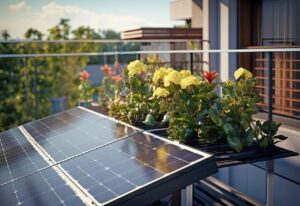
For consumers, the same logic applies at a smaller scale. Rooftop solar can cut electricity bills and emissions, but the best outcome depends on roof condition, local tariffs, maintenance, inverter replacement planning, battery economics and how much solar electricity is consumed on-site.
Frequently asked questions
Is solar energy really clean?
Yes. Solar PV is widely considered a clean energy source because it produces electricity without direct fuel combustion during operation and has much lower life-cycle greenhouse gas emissions than fossil fuel generation. It is not impact-free, because manufacturing, materials, transport and end-of-life handling still matter.
What is the difference between solar energy and clean solar energy?
Solar energy refers to power generated from sunlight. Clean solar energy is a broader concept that considers the full environmental performance of solar, including manufacturing, system design, grid integration, storage choices and end-of-life management.
Does battery storage make solar less clean?
Batteries add materials and manufacturing impacts, so they can increase life-cycle emissions per kilowatt-hour in some systems. But storage can also make solar more useful by reducing curtailment, shifting clean electricity to evening hours and avoiding fossil backup. The cleanest approach is to size storage for a clear system need.
Why do global solar installation numbers differ by source?
Reports may use AC or DC capacity, preliminary estimates, official national data, industry estimates or different definitions of solar PV additions. The exact numbers can vary, but the major sources agree that solar PV deployment reached record levels in 2025.
What happens to solar panels after 25 or 30 years?
Owners may extend operation, refurbish equipment, repower the site with newer modules and inverters, decommission the system, or recycle and reuse components where suitable options exist. The best choice depends on system condition, site value, regulations, economics and available recycling infrastructure.
The bottom line
Clean solar energy has entered a more demanding phase. The simpler story was that solar became cheaper and cleaner than conventional power. The more useful 2026 story is that solar is now large enough to reshape grids, supply chains and recycling systems. Its core advantage remains strong: low-carbon electricity from an abundant energy source. But the projects that deliver the highest value will be those designed for lifetime performance, transparent sourcing, flexible grids and responsible end-of-life management.