
Why Does Clean Energy Generation Matter Now?
Clean energy generation is no longer just a future plan. It is now a real buying decision for factories, utilities, property owners, and public buyers. If you are comparing power options for the next ten or twenty years, the wider clean energy market gives you more choices than it offered even five years ago. The reason is not only climate. It is fuel risk, power price risk, grid access, customer requirements, and whether a project can keep running when demand goes up.
A Market Already Moving at Scale
The International Energy Agency reported in its Global Energy Review 2026 that global electricity generation rose by more than 850 TWh in 2025, with renewables supplying most of that growth. The same report said renewable generation virtually matched coal fired generation in 2025.
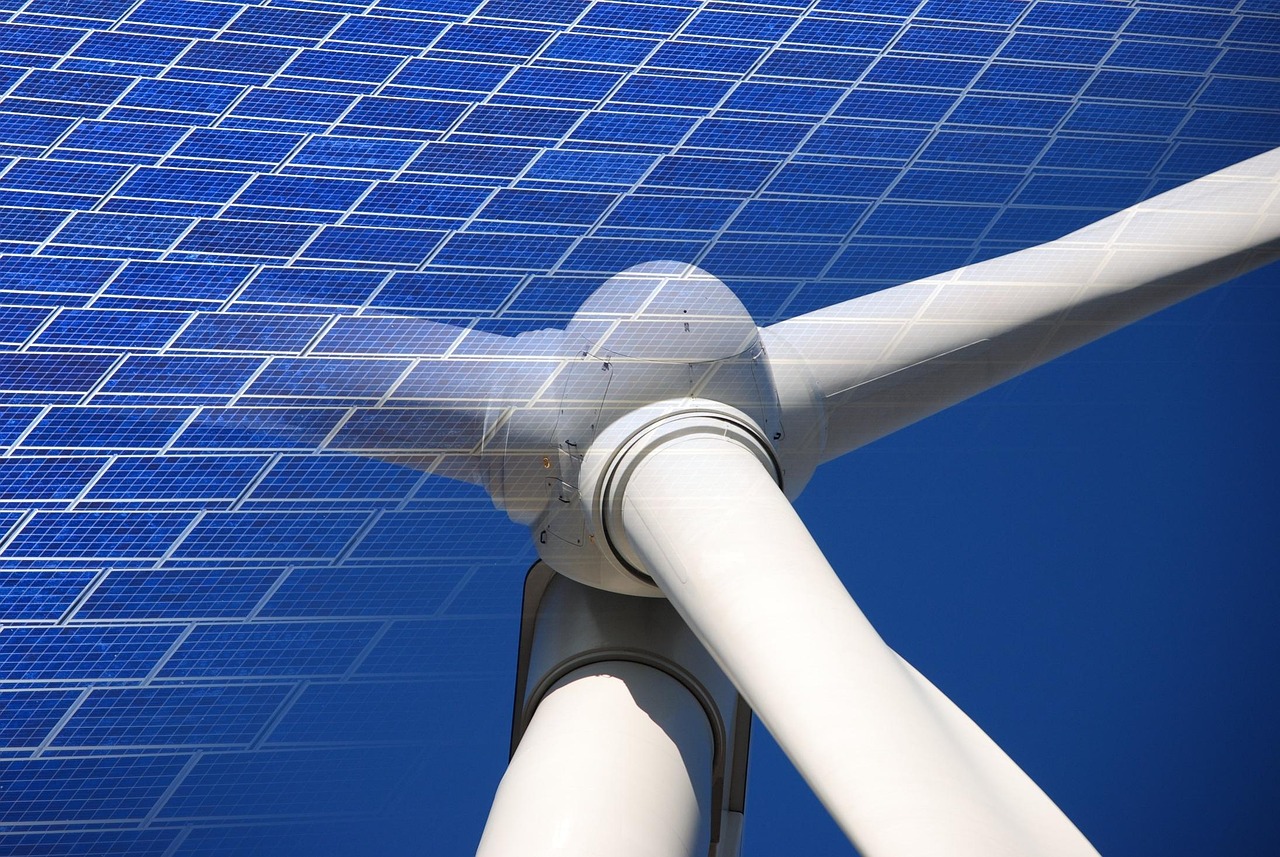
This is not a small pilot market anymore. It shows that solar, wind, hydro, and other sources are now large enough to affect power prices, grid planning, and procurement decisions.
Lower Carbon Power for Real Loads
Clean power is not zero-impact, because panels, turbines, cables, and batteries still need materials. Even so, life cycle emissions are much lower than fossil power in most public studies.
The U.S. Department of Energy has cited wind power at about 11 grams of CO2 per kWh, compared with about 980 grams for coal and roughly 465 grams for natural gas, based on life cycle estimates. For a cold storage facility, a textile plant, or a hotel group, that gap can make annual carbon reporting much easier to explain to customers and auditors.
Energy Security Without Daily Fuel Delivery
Solar and wind do not need daily fuel shipments. That sounds basic, but anyone who has dealt with fuel logistics knows why it matters.
A gas plant depends on fuel contracts and pipeline conditions. A diesel generator depends on trucks, storage tanks, and local supply. A solar plant depends more on site quality, equipment choice, inverter design, and grid connection. The risks are still there, but they are not the same daily fuel price risks.
Which Technologies Drive Clean Energy Generation?
No single technology fits every site. A sunny warehouse roof, a windy coastal area, a mountain hydro resource, and a factory with steam demand all need different planning. Good clean energy generation work starts with the load, then matches the source to local conditions.
Solar PV as the Fastest Builder
Solar PV is often one of the quickest clean power sources to build, especially when land, roof strength, and grid capacity are already clear. IRENA reported in its Renewable Energy Highlights 2025 that solar and wind jointly accounted for 97.5% of net renewable capacity additions in 2024, with solar increasing by about 453 GW and wind by about 114 GW.
Solar fits daytime loads well. A distribution center with strong afternoon cooling demand can use that output pattern, though winter demand and evening demand still need another solution.
Wind Power for Day and Night Diversity
Wind can help balance solar because its output often follows a different daily and seasonal pattern. In some markets, wind production is stronger at night or in colder months, which can reduce the need to rely only on batteries.
Wind projects also need more early checking on transport routes, foundations, turbine class, noise limits, and wildlife studies. A cheap turbine in the wrong wind zone will not stay cheap after poor output or site changes.
Hydropower, Geothermal, Bioenergy, and Nuclear Support
Hydropower, geothermal, bioenergy, and nuclear can add steadier output to a clean energy generation plan. Nuclear is not renewable, but many power buyers count it as clean because operating emissions are low.
Hydropower can be flexible, but drought risk has to be taken seriously. Geothermal can provide firm power where the geology works. Bioenergy can use waste streams, but feedstock quality and local air rules need close review. In plain terms, variable power works better when it has firm partners.
Is Clean Energy Generation Really Cost Competitive?
Cost is where clean power has changed the most. Years ago, many buyers treated renewables as a higher-price option. Now the first question is often not whether solar or wind is too expensive. It is whether the full project, including grid work and balancing, fits the site and the contract.
Project Costs Have Changed
IRENA’s Renewable Power Generation Costs in 2024 report, published in 2025, found that 91% of newly commissioned utility scale renewable capacity delivered electricity below the cost of the cheapest new fossil fuel alternative. It also reported that, on average, solar PV was 41% cheaper and onshore wind was 53% cheaper than the lowest cost fossil fuel alternatives in 2024.
These are global averages, so they should not be copied into a local bid as if every country has the same costs. Still, they explain why procurement teams now look at renewables as a normal power option, not a side project.
Total System Cost Still Matters
A low generation cost does not cover every part of the system. Interconnection studies, transformers, land works, curtailment, storage, backup capacity, and grid fees can all change the final price.
The IEA has repeatedly warned that grids, permitting, and integration are now major bottlenecks for renewable growth. When you compare bids, ask for the delivered power cost, not only the panel or turbine cost. That small check can prevent difficult price discussions later.
Contracts Need Clear Risk Sharing
Power purchase agreements can look simple on page one and become difficult by year three. Check indexation, curtailment clauses, grid outage treatment, deemed generation, maintenance duties, and equipment replacement rules before signing.
If you buy clean electricity for a manufacturing export contract, you also need proof documents that your customer will accept. A lower tariff is useful, but a lower tariff with weak paperwork can turn into a compliance problem.
How Can You Plan a Reliable Clean Energy Mix?
Reliability is not the opposite of clean energy. It is the design test. You need enough generation, enough flexibility, and enough backup for the real load profile. A project built only from annual averages can disappoint on a cloudy Tuesday evening, and those are the hours plant managers remember.
Match Output to the Local Load Curve
Start with hourly demand, not just the yearly power bill. A food processor may run chillers all night, while a school may peak during the day.
A small industrial park may have sharp morning starts when many machines switch on together. Solar can match part of that demand, and wind may cover other hours. The closer your clean generation matches your load, the less you usually spend on storage or backup.
Add Storage for Short Gaps
Battery storage is useful for ramps, evening peaks, and short interruptions. It can move midday solar into later hours and reduce demand charges under some tariff structures. See also: EVs.
But batteries are not a fix for every gap. A four hour battery is not designed to cover a week of low wind and cloudy weather. Treat storage as a tool with a clear job, not as an add-on used only to make a project look newer.
Keep Firm Capacity for Long Lulls
Long low-output periods need firm capacity, demand response, grid imports, or a clean dispatchable source. Some sites keep gas backup while cutting annual fuel use by a large amount.
Others add hydro, geothermal, biomass, or contracted clean firm power. The right answer depends on local rules, outage risk, and uptime needs. A hospital, a data room, and a farm irrigation pump do not carry the same risk.
What Should Buyers Check Before a Project Starts?
A clean power project can fail for very ordinary reasons: a weak roof, a late permit, a transformer that takes twelve months to arrive, or a grid queue that was not checked properly. The technology may be fine. The early preparation may be the weak part.
Site Resource and Grid Access
For solar, check shading, roof age, tilt, soiling, wind load, and fire access. For wind, check measured wind speed, turbulence, transport roads, crane access, and setback rules.
For any grid tied project, ask early about substation capacity and protection requirements. A site with a strong resource but no practical grid path may not be bankable.
Equipment Quality and After Sales Support
Panels, inverters, turbines, racking, cables, and monitoring systems should come with clear warranties and service channels. Look for bankable suppliers, tested product lines, and spare part plans.
It is tempting to save a few percent on equipment, but one inverter failure during peak season can remove that saving quickly. Simple systems with clear documents often perform better over time.
Permits, Land, and Community Fit
Permitting is not a small paperwork task at the edge of the project. It is part of the project schedule and can decide whether the work moves or stops.
Land rights, environmental checks, drainage, visual impact, fire codes, and community concerns need early attention. A solar farm next to farmland may need fencing and vegetation plans. A wind project may need bird studies and noise modeling. None of this is exciting, but it keeps projects moving.
How Does Clean Energy Generation Support Business Goals?
Clean power is useful when it supports real business goals. Lower emissions, better cost planning, stronger tender performance, and more energy independence are all practical reasons to act. The best projects do not chase a slogan. They solve a power problem.
Lower Scope 2 Exposure
For companies that report greenhouse gas emissions, purchased electricity often sits in Scope 2. Cleaner power can reduce that exposure when certificates, metering, and contract terms follow accepted reporting rules.
If a customer asks for carbon data, a photo of panels is not enough. You need traceable records and a reporting method that matches the buyer’s standard.
Stronger Brand and Tender Scores
Many export buyers now ask suppliers about energy sources, emissions, and factory practices. A clean energy generation project can support bids in electronics, textiles, packaging, food, building materials, and other sectors.
It will not make up for poor quality or late delivery. But when price and quality are close, cleaner operations can help your offer get a better review.
More Predictable Long-Term Power Costs
Fuel free generation can make long term costs easier to forecast. Solar and wind projects have upfront cost, maintenance cost, and replacement planning, but they do not buy coal or gas every month.
That can be useful when fuel markets move fast. According to IRENA’s 2024 cost report, renewables helped avoid about USD 467 billion in fossil fuel costs in 2024. For a buyer, the point is clear: the savings are not only environmental. They can be financial as well.
FAQ
Q1: What Is Clean Energy Generation? A: Clean energy generation means producing electricity from sources with low operating emissions, such as solar, wind, hydropower, geothermal, and in many cases nuclear. Some sources are renewable, while others are low carbon but not renewable.
Q2: Is Solar Always the Best Clean Energy Choice? A: No. Solar is fast to build and often low cost, but the best choice depends on your load, sunlight, land, roof condition, grid rules, and evening demand. Wind, storage, hydro, or firm power may also be needed.
Q3: Can Clean Energy Generation Run a Factory? A: Yes, but most factories need a planned mix. Daytime solar can cut grid purchases, while storage, wind, grid supply, or firm backup can cover nights, peaks, and production changes.
Q4: How Should You Compare Clean Power Project Costs? A: Compare delivered cost, not only equipment price. Include interconnection, permits, land, operations, storage, curtailment risk, financing, and contract terms before choosing a supplier.
Q5: Does Clean Energy Generation Need Maintenance? A: Yes. Solar needs cleaning, inspections, inverter checks, and monitoring. Wind needs scheduled turbine service. Batteries need thermal control and performance checks. Good maintenance protects output and safety.