
Why Are Clean Energy Companies Getting More Buyer Attention in 2026?
Clean energy companies are no longer selling only an environmental idea. Buyers are looking at power security, lower exposure to fuel price changes, compliance support, and equipment that can run for years in factories, warehouses, farms, and commercial parks. If you want a broader view of the sector, the clean energy category is a useful place to follow related market topics. The buyer mood in 2026 is practical: show the numbers, share the references, and explain what happens after installation. IRENA reported that global renewable power capacity reached 5,149 GW in 2025 after 692 GW of new additions, while BloombergNEF said global energy transition investment reached a record $2.3 trillion in 2025. That makes the market opportunity clear, but it also means buyers are harder to win. (irena.org)
Global Investment Is Moving Toward Electrification
Buyers watch where capital goes because it usually shows where the market is heading. In clean energy, more money is going into renewable power, grids, storage, electric transport, and related infrastructure. For a procurement team, this means more supplier choices and more technical claims to check. It also means they need partners that will still answer the phone if a warranty issue appears in year seven.
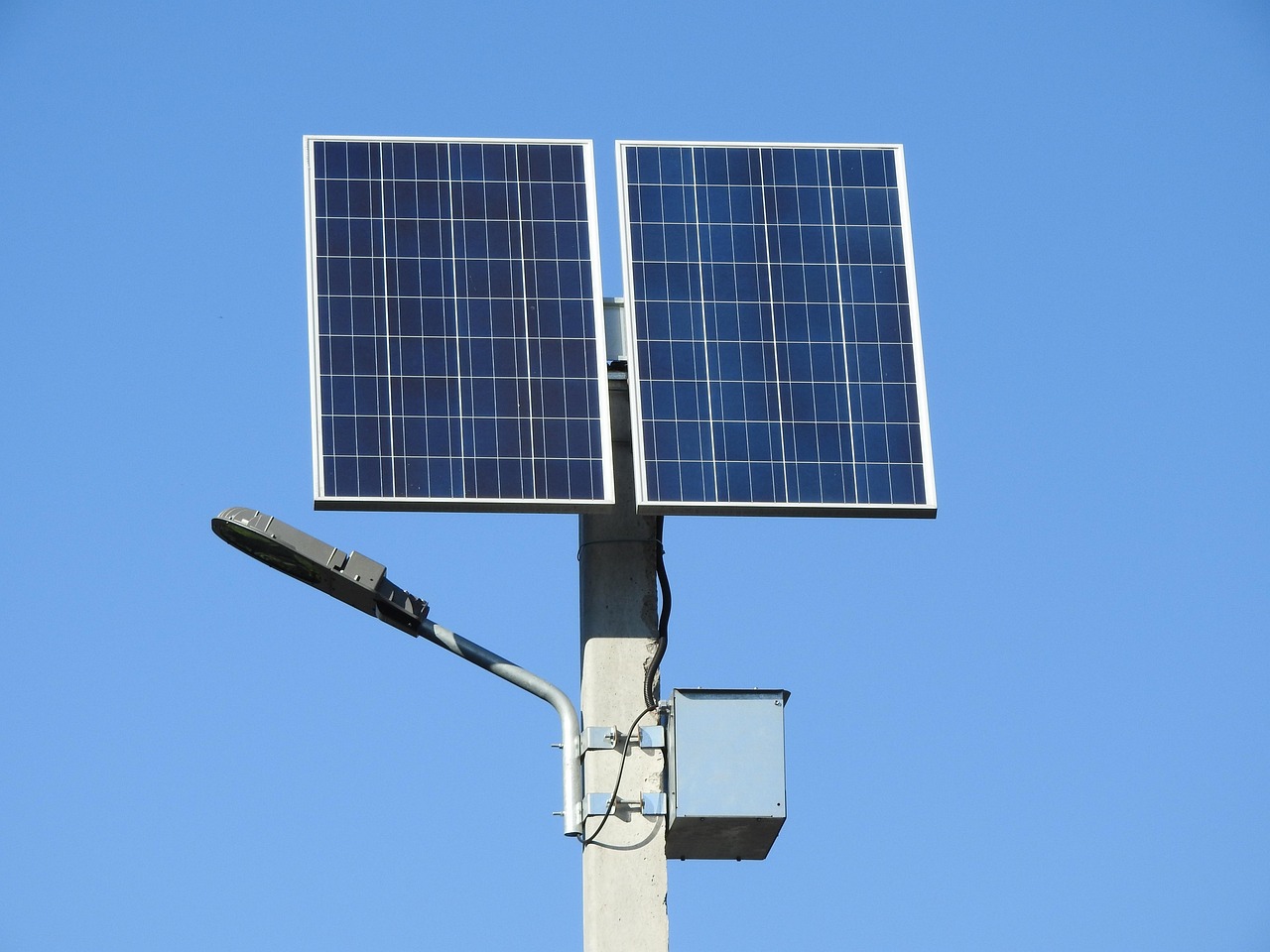
Renewable Capacity Growth Has Become a Supply Signal
Fast capacity growth tells buyers that the market is getting larger, but it also points to delivery pressure. A company with steady factory controls, stable component sourcing, and a clear project schedule will look safer than one that only offers a low price. In cross-border trade, even a small delay can hurt when a port booking, grid connection, or roof lease date is already fixed. Buyers know this, so they ask more questions before they place an order.
Buyers Want Lower Risk, Not Just Lower Carbon
The proposal with the lowest carbon number is not always the best offer. Many buyers now check how a system affects monthly bills, downtime, insurance, reporting, and later expansion. They still want carbon benefits, but they also want fewer surprises after the contract is signed. This is why practical proof often carries more weight than a polished presentation.
What Types of Clean Energy Companies Should You Compare?
The phrase “clean energy companies” covers many kinds of suppliers. Some companies make equipment, some develop projects, and others handle energy data or finance. A buyer should not compare all of them with the same checklist. First, you need to know what role each company has in the project.
Solar, Wind, and Storage Manufacturers
Manufacturers should be checked by product performance, certifications, quality control, warranty terms, and supply stability. For solar modules, inverters, turbines, batteries, and control cabinets, a nice brochure is not enough. Ask for test data, degradation assumptions, safety certificates, and serial number traceability. It may feel like slow work, but these documents often help avoid cost later.
Project Developers, EPCs, and System Integrators
Developers and EPC firms turn equipment into working assets. Their value is in site design, permitting, installation, grid connection, and project handover. You should check whether they have built projects like yours, in a similar climate, with a similar grid environment. A rooftop project in a windy coastal zone is not the same as a ground-mounted system behind a factory in a hot inland area.
Software, Grid, and Energy Service Providers
Energy software and service firms help buyers monitor output, manage demand, schedule storage, and report emissions. These companies matter more when systems include several energy sources and control points. A battery without good controls can end up sitting there like an expensive box. A monitoring platform without clear alerts can leave faults hidden for weeks.
How Can You Judge a Clean Energy Company Before a Contract?
Before you sign, take time to check the company’s claims. A serious supplier should be ready for direct questions. If the sales team becomes unclear when you ask about performance data, warranty exclusions, or after-sales support, it is better to slow down.
Verified Track Record and Real Project References
Ask for project references that match your use case. The best proof is not always a huge project on another continent if your need is a mid-size commercial system. Look for installed capacity, operating years, failure records, and customer contacts when possible. If a company cannot share a reference because of confidentiality, it can still provide anonymized project details.
Product Quality, Warranty Terms, and Bankability
Quality often shows up in small details: packaging, datasheets, response time, serial tracking, and warranty language. Read the exclusions carefully. Some warranties sound solid until you find limits on labor, shipping, local service, or environmental conditions. Bankability also matters because lenders and large buyers often prefer suppliers with financial strength, proven components, and a clear service network.
Clear Compliance and Scope 2 Reporting Support
Many buyers need clean energy for Scope 2 reporting, customer audits, or internal targets. A supplier should explain renewable energy certificates, meter data, emissions factors, and claim boundaries in plain English. If you cannot explain the claim to your finance team, the paperwork is probably not ready. Good reporting support should make the audit process easier, not create another round of questions.
What Data Should Shape Your Shortlist?
Good procurement is not guesswork. Market data helps you see where prices may move, where supply chains may tighten, and where buyer demand is strongest. The point is not to collect every report you can find. The point is to ask better questions before the shortlist is closed.
Capacity Additions Show Where Demand Is Real
Capacity growth is a demand signal. When a technology grows fast, buyers may see lower prices, better installer skills, and more spare parts. At the same time, weaker suppliers may rush into the market and create quality gaps. Use market growth as a starting point, not as the final answer.
Manufacturing Trends Reveal Price and Supply Risks
The IEA’s Energy Technology Perspectives 2026 said investment in manufacturing capacity for six clean energy technologies fell below $200 billion in 2024 from nearly $220 billion in 2023, while solar PV module prices fell around 50% since 2023 and battery pack prices fell by 30%. The business point is simple: cheaper equipment can help your project budget, but sudden price drops can also put pressure on weaker manufacturers. If a supplier is already stretched, future warranty support may become a risk. (iea.org)
Procurement Guidance Helps You Ask Better Questions
The U.S. EPA’s Guide to Purchasing Green Power describes procurement steps, product options, contracting, self-generation, and ways to capture purchase benefits. For a B2B buyer, this means your request for quotation should cover more than price per watt. Include site data, load profile, contract term, certificate handling, meter access, maintenance, and reporting needs. A clearer RFQ helps suppliers quote on the same basis, which makes comparison easier. See also: EVs.
Where Do Buyers Often Make Costly Mistakes?
Most poor clean energy purchases do not fail because the buyer wanted the wrong result. They fail because project details were skipped. The cheapest line on a spreadsheet can become the most expensive option once downtime, repairs, weak reporting, or missed incentives are counted.
Chasing the Cheapest Quote
A low quote may be fair if the supplier has scale, efficient logistics, and a clean design. It may also hide thinner frames, weaker batteries, poor cables, unclear labor coverage, or no local service. Ask each bidder to separate equipment, shipping, installation, commissioning, monitoring, maintenance, and warranty costs. Then compare the same cost items side by side.
Ignoring Grid and Storage Limits
Clean power is not only about generation. The grid connection, transformer capacity, export rules, and battery control strategy can decide project value. Ember’s Global Electricity Review 2025 found low-carbon power reached 40.9% of global electricity in 2024, with renewable generation adding a record 858 TWh. More clean power is entering grids, so flexibility, storage, and grid planning are becoming normal business issues. (ember-energy.org)
Treating Certificates as a Full Energy Plan
Certificates can support renewable electricity claims, but they do not replace a full energy plan. Buyers should still look at efficiency, peak demand, on-site generation, contract structure, and data quality. A certificate-only approach may fit some reporting goals. It will not solve high demand charges or poor power reliability by itself.
How Can Clean Energy Companies Win Long Term B2B Trust?
Trust grows when the buyer has less friction at each step. Clear documents, honest timelines, and fast answers can beat loud claims. In export markets, this matters even more because distance makes every small mistake feel bigger.
Simple Documentation and Fast Technical Replies
Buyers like simple files: datasheets, certificates, layout drawings, bill of materials, warranty terms, and maintenance steps. Keep these files consistent. If one document says a battery has one cycle life and another document says something different, the buyer will notice. Fast technical replies also show that the company can support the project after payment.
Local Service Partners and Spare Parts Planning
After-sales service is a selling point, not something to mention at the end. A clean energy company should explain where spare parts are stored, who can visit the site, how faults are diagnosed, and how long key replacements take. For commercial buyers, one failed inverter during peak season is not a small issue. It can affect output, savings, and trust in the supplier.
Honest Claims Backed by Measurable Results
Strong companies make claims they can prove. Use measured output, uptime, degradation rates, payback assumptions, and maintenance logs. Avoid promises that sound too perfect because buyers know weather changes, grids trip, and projects meet real site problems. Straight talk usually builds more trust than a sales script that leaves no room for risk.
- Show verified project references that match the buyer’s sector.
- Explain warranty coverage in plain language.
- Provide reporting data that finance and sustainability teams can use.
- Plan local service before the contract is signed.
- Be honest about limits, lead times, and grid constraints.
FAQ
Q1: What Should Buyers Look For in Clean Energy Companies? A: Buyers should look for proven projects, clear technical data, fair warranty terms, financial stability, compliance support, and local service options. Price matters, but it should not be the only filter.
Q2: Are Solar and Battery Companies Always the Best Clean Energy Choice? A: Not always. Solar and batteries can be strong options, but the right choice depends on load profile, site space, grid rules, power prices, and reporting goals.
Q3: How Can a Supplier Prove Its Clean Energy Claims? A: A supplier can provide meter data, certificates, test reports, project references, emissions calculation methods, and clear documentation for renewable electricity claims.
Q4: Why Do Some Clean Energy Projects Miss Their Payback Target? A: Common reasons include weak site data, poor system sizing, grid limits, wrong tariff assumptions, low-quality components, delayed permits, and missing maintenance plans.
Q5: Should You Choose a Global Brand or a Local Clean Energy Company? A: The best choice depends on project risk. A global brand may offer bankability and scale, while a local company may offer faster service. Many successful projects use both.