
Wind, Solar, and Other Renewable Power Sources Overtook Coal
The global power landscape has shifted decisively. For the first time, renewable power sources—wind, solar, hydro, and bioenergy—have collectively generated more electricity than coal. This milestone reflects decades of investment, policy reform, and technological progress. Coal once fueled industrial revolutions; now renewables drive the clean energy era. Costs have fallen sharply, grid integration has improved, and climate commitments are reshaping national strategies. The shift is not uniform across regions, but the direction is unmistakable: renewables are no longer alternative—they are central to global energy supply.
Global Energy Production Trends and the Shift Toward Renewables
The transformation of global energy systems stems from both necessity and innovation. Historical reliance on coal created economic growth but also environmental strain. Over time, technology and regulation steered investment toward cleaner options.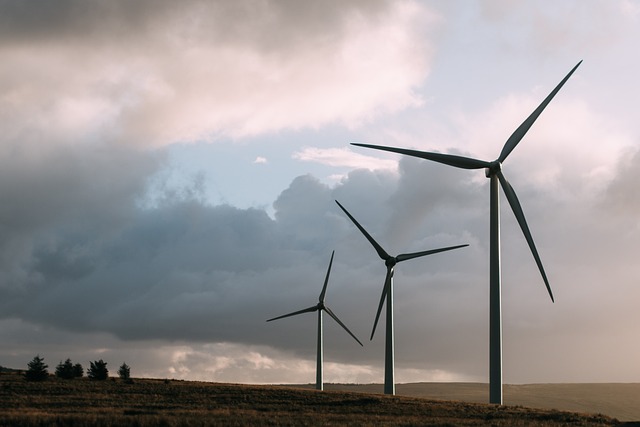
Historical Overview of Coal’s Dominance in Global Energy Supply
Coal powered early industrialization by providing abundant and cheap energy for factories and railways. Britain’s 19th-century expansion relied heavily on coal-fired steam engines that set the foundation for modern economies. In Asia, particularly China and India, coal became synonymous with rapid urbanization and economic ascent through the late 20th century. Yet its environmental toll—air pollution, carbon emissions, and mining degradation—triggered policy backlash. The Paris Agreement and stricter air-quality standards accelerated coal’s decline by making its external costs visible in economic terms.
The Rise of Renewable Power Sources in the Global Energy Mix
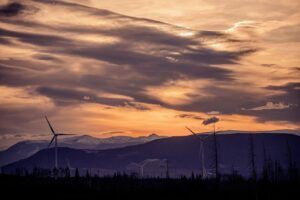
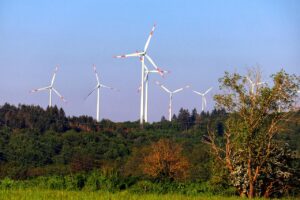
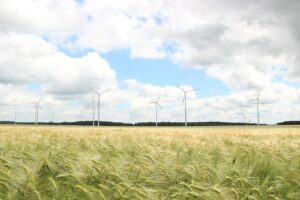
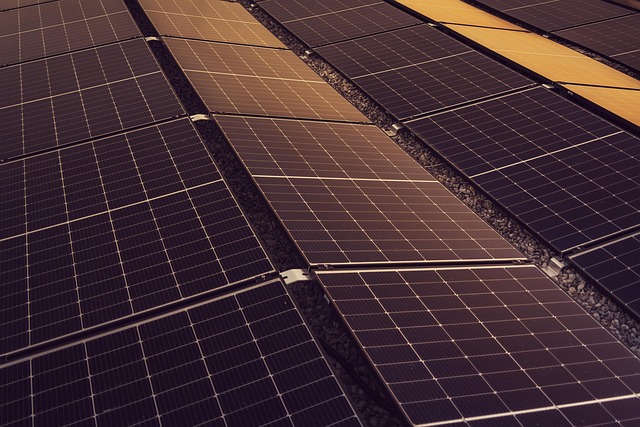
Over recent decades, renewable power sources have expanded rapidly across all continents. Solar photovoltaics grew from niche applications to utility-scale dominance as module prices dropped by over 80% since 2010. Wind farms multiplied across Europe’s coasts and North America’s plains due to supportive feed-in tariffs and tax credits. Hydroelectricity remains a backbone in countries like Brazil and Norway, while bioenergy supports rural economies through waste-to-power systems. International agreements such as the Kyoto Protocol encouraged this shift by embedding carbon reduction targets into national policies.
Comparing Global Output: Renewables Versus Coal
Comparing renewables with coal requires careful interpretation of data because their generation patterns differ significantly. Renewables are variable; coal plants provide steady baseload power.
Current Data on Global Electricity Generation by Source
Recent statistics from IEA show renewables generating roughly 30% of global electricity in 2023 compared with coal’s 29%. Europe leads this transition with wind and solar surpassing fossil fuels in total output. In contrast, parts of Southeast Asia remain dependent on imported coal for reliability reasons. Methodological adjustments account for intermittency: solar output fluctuates daily while wind varies seasonally.
Factors Influencing Output Comparisons
Capacity factors play a major role in comparing annual generation levels. A typical coal plant runs at about 60–70% capacity factor; wind averages around 35%, solar even lower depending on geography. Seasonal variability challenges grid operators who must balance supply with demand peaks during winter or monsoon seasons. Battery storage technologies now help smooth these fluctuations by storing excess generation during low-demand hours.
Economic and Policy Dimensions of the Transition
The shift away from coal is not merely technical—it’s financial and political too. Investment decisions increasingly reflect long-term carbon risks rather than short-term fuel costs.
Investment Patterns in Renewable Energy Infrastructure
Global investment in renewables exceeded $500 billion annually by 2023, outpacing fossil fuel spending for five consecutive years according to BloombergNEF data. Institutional investors favor wind and solar portfolios due to predictable returns under long-term power purchase agreements (PPAs). Carbon pricing schemes in Europe have made coal less competitive as emission allowances raise operational costs.
Policy Mechanisms Accelerating the Decline of Coal Use
Governments employ multiple tools to phase out coal: subsidies for clean energy projects, retirement schedules for aging plants, and bans on new permits for unabated coal generation. The European Union’s Emissions Trading System (ETS) directly penalizes carbon-intensive producers while funding renewable integration initiatives. Carbon border adjustments under discussion aim to prevent “carbon leakage” by equalizing import tariffs based on embedded emissions.
Technological Innovations Supporting Renewable Growth
Technology has been the quiet force enabling renewables’ rise—from smarter turbines to cheaper batteries—and continues to redefine what is possible at grid scale.
Advances in Solar and Wind Technologies
Next-generation photovoltaic materials such as perovskites promise higher efficiency at lower manufacturing cost compared with traditional silicon cells. Offshore wind turbines now exceed 15 MW capacity each, equipped with digital sensors that predict maintenance needs before failures occur. Predictive analytics platforms optimize performance through real-time weather modeling—a practice once limited to aerospace sectors but now standard in energy operations.
The Role of Energy Storage in Stabilizing Renewable Output
Energy storage bridges the gap between intermittent generation and continuous demand.
Battery Technologies and Grid Applications
Lithium-ion batteries dominate today’s market due to maturity and scalability; flow batteries using vanadium or zinc offer longer-duration alternatives suitable for utility-scale storage projects exceeding four hours discharge time. These systems allow grids to absorb surplus solar output at midday then release it during evening peaks—a critical factor behind high renewable penetration levels seen in California or South Australia.
Complementary Solutions for Grid Flexibility
Beyond batteries, demand response programs incentivize consumers to shift consumption away from peak hours via dynamic pricing models. Hybrid renewable plants combining solar with wind or small hydro units stabilize production profiles naturally without excessive storage dependence.
Regional Perspectives on the Transition Beyond Coal
Energy transitions unfold differently depending on local resources, infrastructure age, and policy ambition.
Developments in Advanced Economies
Europe leads through coordinated policy frameworks such as REPowerEU that target full decarbonization by mid-century. Germany’s Energiewende exemplifies structured coal exit planning paired with social compensation funds for affected workers. North America presents mixed outcomes: U.S. states like Texas deploy vast wind capacity while others remain reliant on natural gas competition rather than regulation alone.
Emerging Economies Balancing Growth with Sustainability Goals
Asia faces a dual challenge—meeting surging electricity demand while cutting emissions intensity per GDP unit. China continues building renewables faster than any other nation yet still operates large coal fleets for grid stability reasons. Latin America demonstrates a different model; hydropower dominates Brazil’s mix while Chile rapidly expands solar farms across its Atacama region thanks to exceptional sunlight conditions.
Evaluating the Long-Term Outlook for Global Power Generation Mixes
Forecasts suggest renewables will continue expanding their lead over fossil fuels through mid-century if current trends persist.
Projections from Leading Energy Agencies and Research Institutions
IEA scenarios project renewables reaching nearly two-thirds of total electricity generation by 2050 under stated policies cases; accelerated pathways could achieve dominance earlier if capital costs keep falling below expectations. Sensitivity analyses show that stronger carbon pricing combined with rapid battery cost declines could bring full decarbonization within three decades even under moderate economic growth rates.
Strategic Considerations for Future Energy Systems Design
Future grids will rely on diversified portfolios blending multiple renewable types alongside flexible backup systems like hydrogen turbines or pumped hydro reservoirs. Smart grids using digital twins will coordinate millions of distributed assets—from rooftop panels to electric vehicles—creating resilience against both technical faults and market shocks.
FAQ
Q1: Why did renewable power sources surpass coal globally?
A: Cost reductions in solar panels and wind turbines combined with supportive policies made renewables more competitive than ever before while environmental regulations increased pressure on coal plants.
Q2: Which region led this transition?
A: Europe achieved the fastest shift due to strong climate policies and early investment incentives that encouraged large-scale deployment of wind farms and solar parks.
Q3: Are renewables reliable enough without fossil backup?
A: With modern storage systems, interconnectors between regions, and flexible demand management programs, reliability has improved dramatically though baseload support remains necessary during extreme conditions.
Q4: How do developing countries handle rising demand amid this transition?
A: Many invest simultaneously in new renewable capacity while upgrading transmission networks; some still rely temporarily on gas or cleaner-coal technologies until storage becomes cheaper.
Q5: What technologies will define the next decade?
A: Advanced battery chemistries beyond lithium-ion, digitalized grid controls using AI analytics, offshore floating wind platforms, and scalable green hydrogen production are expected to shape future power systems.