
WA Must Boldly Pursue New Green Energy Sources
Western Australia (WA) stands at a decisive moment where its economic future hinges on how effectively it transitions to renewable energy. The state’s vast natural resources, sunlight, and wind corridors position it as a potential leader in clean energy exports. Yet, achieving this requires coordinated policy, investment in technology, and a skilled workforce. The evidence already suggests that green energy sources are not just an environmental necessity but a strategic economic opportunity for WA’s long-term growth.
The Strategic Importance of Green Energy in Western Australia’s Economic Growth
The shift toward renewable energy in WA is both an environmental imperative and an economic strategy. For decades, the state’s prosperity has relied heavily on fossil fuels and mining exports. However, global markets are demanding cleaner alternatives, pushing WA to diversify its economy through sustainable power generation.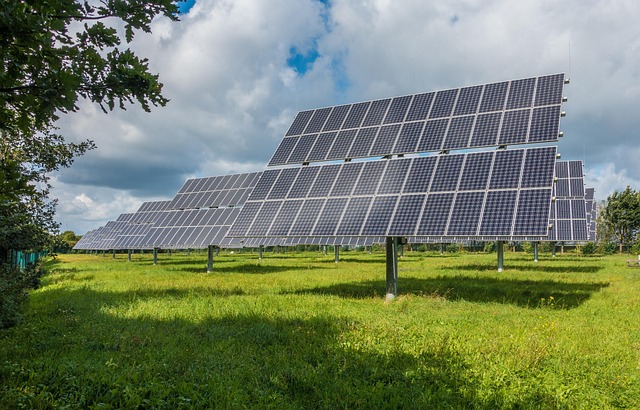
The Transition from Traditional Energy to Renewable Solutions
Historically, WA’s economy has been dominated by oil, gas, and minerals. These industries powered growth but also exposed the region to volatility in global commodity prices. As international investors pivot toward low-carbon portfolios, WA faces pressure to modernize its energy systems. Environmental concerns—particularly emissions from mining operations—have accelerated this transition. State policies now emphasize renewable integration through frameworks that support private investment and grid modernization.
Aligning Renewable Energy with WA’s Long-Term Development Goals
The state government has embedded renewable targets within broader development strategies like regional industrial corridors and export expansion plans. Incentives such as tax offsets for clean infrastructure projects are spurring partnerships between public agencies and private firms. This alignment ensures that sustainability goals do not hinder economic expansion but rather become its foundation.
Key Green Energy Sources Shaping WA’s Future
WA’s geography grants it unique advantages across multiple green energy sources. Solar irradiation levels are among the highest globally, while coastal wind belts provide consistent generation potential. Hydrogen production is emerging as a transformative export sector.
Solar Power Potential in Western Australia
With over 3,000 hours of annual sunshine across much of the state, large-scale solar farms are increasingly viable. Advances in photovoltaic efficiency have cut installation costs significantly over the past decade. Regional projects near Kalgoorlie and Geraldton demonstrate how solar capacity can reduce reliance on diesel generation in remote communities while supporting new industries like lithium refining.
Wind Energy as a Driver of Regional Transformation
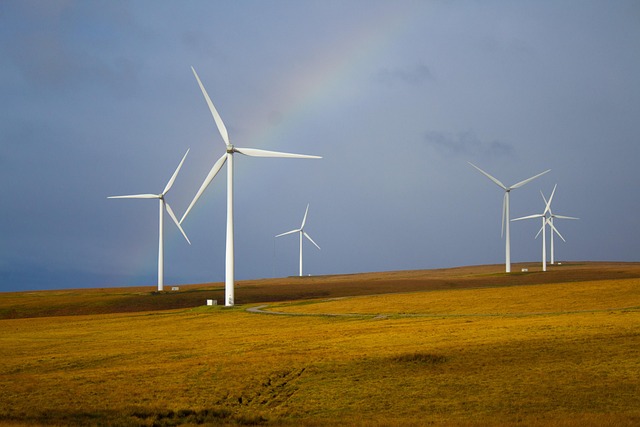
Wind mapping shows strong potential along WA’s southern coastlines where average speeds exceed 8 m/s at hub height. Integrating this capacity into existing grids requires upgraded transmission infrastructure and smart balancing systems to handle variability. Wind projects also bring employment opportunities to rural areas through construction and ongoing maintenance roles.
Exploring Hydrogen as a Renewable Export Opportunity
Green hydrogen production—using electrolysis powered by renewables—is rapidly gaining traction as a decarbonization tool for steelmaking and transport sectors. WA’s proximity to Asian markets positions it well for export deals with Japan and South Korea seeking clean fuel imports. Government-backed initiatives aim to develop hydrogen hubs near ports like Kwinana and Pilbara to anchor international trade routes.
Technological Innovations Supporting Green Energy Expansion
Innovation underpins every stage of WA’s renewable transformation. From storage systems stabilizing intermittent supply to digital grid management tools enhancing distribution reliability, technology is the bridge between ambition and execution.
Advancements in Energy Storage Systems
Energy storage plays a critical role in maintaining grid stability when solar or wind output fluctuates. Lithium-ion batteries dominate current deployments due to their scalability and falling costs, though flow batteries are gaining attention for longer-duration applications. Integrating storage with renewables ensures continuous supply even during low-generation periods.
Smart Grid Development and Digital Optimization
Smart grids combine sensors, automation, and data analytics to manage electricity flows efficiently across vast distances—a necessity given WA’s dispersed population centers. Real-time monitoring allows operators to adjust loads instantly during peak demand or outages. However, digitalization introduces cybersecurity challenges that require robust protection standards aligned with ISO/IEC frameworks.
Economic and Environmental Implications of the Green Transition
Transitioning toward renewables is reshaping WA’s economy beyond resource extraction while delivering measurable environmental benefits such as reduced emissions and improved air quality.
Economic Diversification Through Renewable Investment
Renewable projects create new revenue streams independent of traditional mining cycles. Local manufacturing of solar panels or turbine components supports industrial diversification, while R&D hubs foster innovation ecosystems around clean technologies. Labor markets will gradually shift toward higher-skilled technical roles linked to design, maintenance, and digital control systems.
Environmental Benefits Driving Policy Adoption
Replacing coal-fired power plants with renewables directly lowers greenhouse gas emissions per megawatt-hour generated (IEA data). Sustainable land use planning around solar arrays can also promote biodiversity by preserving native vegetation buffers. Over time, these changes contribute to healthier communities through cleaner air and reduced exposure to pollutants.
Challenges and Pathways Toward a Sustainable Energy Future in WA
Despite progress, scaling renewables across such a large territory presents logistical challenges—from financing infrastructure to training specialized workers capable of operating advanced systems.
Addressing Infrastructure and Financing Barriers
High upfront capital costs remain one of the biggest hurdles for renewable deployment in remote regions where grid access is limited. Innovative financing models like green bonds or joint ventures between utilities and private investors can mitigate risk exposure while accelerating project timelines. Regulatory clarity regarding connection standards also helps attract long-term funding commitments.
Building a Skilled Workforce for the Renewable Era
Educational programs focusing on electrical engineering, data analytics, and hydrogen technology are expanding across universities in Perth and regional centers. Collaboration between academia, industry consortia, and government agencies ensures graduates possess hands-on experience relevant to emerging technologies such as battery diagnostics or turbine performance modeling.
Regional Collaboration and Global Competitiveness in Green Energy Markets
WA cannot advance its renewable ambitions in isolation; interregional cooperation within Australia enhances resilience while global partnerships open access to capital and innovation networks.
Strengthening Interregional Cooperation Within Australia
Shared transmission corridors linking WA with eastern states could balance supply-demand fluctuations nationwide while improving market efficiency through unified trading mechanisms under national energy rules (as discussed by AEMO). Harmonized policies streamline permitting processes for cross-border projects like offshore wind clusters or hydrogen pipelines.
Positioning Western Australia in the Global Renewable Economy
WA’s abundant sunlight, wind resources, and mineral inputs essential for battery production give it natural advantages in becoming a clean energy exporter of scale. Establishing international partnerships with research institutions accelerates technology transfer while securing market access abroad. Long-term competitiveness will depend on sustaining cost reductions through innovation rather than subsidies alone—a challenge yet an achievable one given current momentum.
FAQ
Q1: What makes Western Australia ideal for renewable energy development?
A: Its high solar radiation levels, strong coastal winds, vast land availability, and proximity to Asian markets make it uniquely suited for large-scale renewable investments.
Q2: How does green hydrogen benefit Western Australia economically?
A: It opens new export opportunities by supplying clean fuel to Asia while supporting domestic decarbonization across heavy industries such as mining and shipping.
Q3: Are there enough skilled professionals for the renewable transition?
A: Training programs are expanding rapidly through collaborations between universities and industry groups focused on technical skills like grid management and electrolysis operations.
Q4: What role does technology play in stabilizing renewable supply?
A: Advanced storage systems combined with smart grid controls maintain reliability by balancing variable generation from solar or wind sources throughout the day.
Q5: How will renewable growth affect traditional mining sectors?
A: While fossil fuel extraction may decline over time, mining critical minerals used in batteries—like lithium or nickel—will likely expand under the green transition strategy.